During the first session of The Defender’s Abolitionist Freedom School, students were asked why they joined the cohort.
Their answers varied — some longed for connection, yearning to find community in a world that constantly isolates and divides. Others came to learn from younger generations, to see through eyes unclouded by the disillusionment of time. Some had never been given the chance to learn their own history, robbed of the knowledge that could have freed them. They came to reclaim what was stolen, to unearth the truths buried beneath white lies.
They came to study liberation in a space that wasn’t bound by the cold walls of institutions built to uphold white supremacy. They came to explore a freedom too radical, too revolutionary, to ever be taught in the ivory towers of academia. They came to learn the language of resistance, to name their oppressors and to gain tools for community building, for survival, and for freedom.
They came to remember who they were before the world told them who to be.
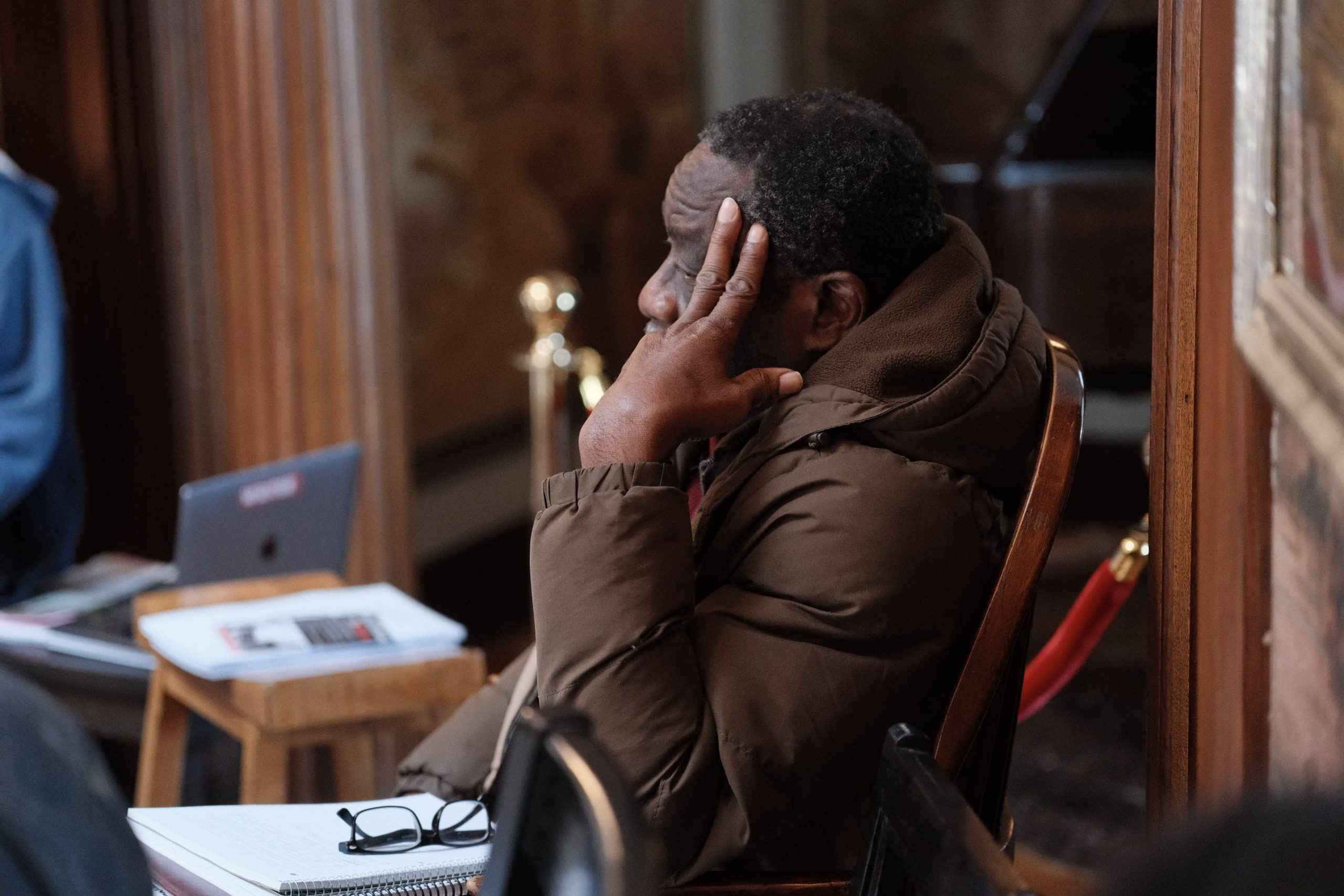
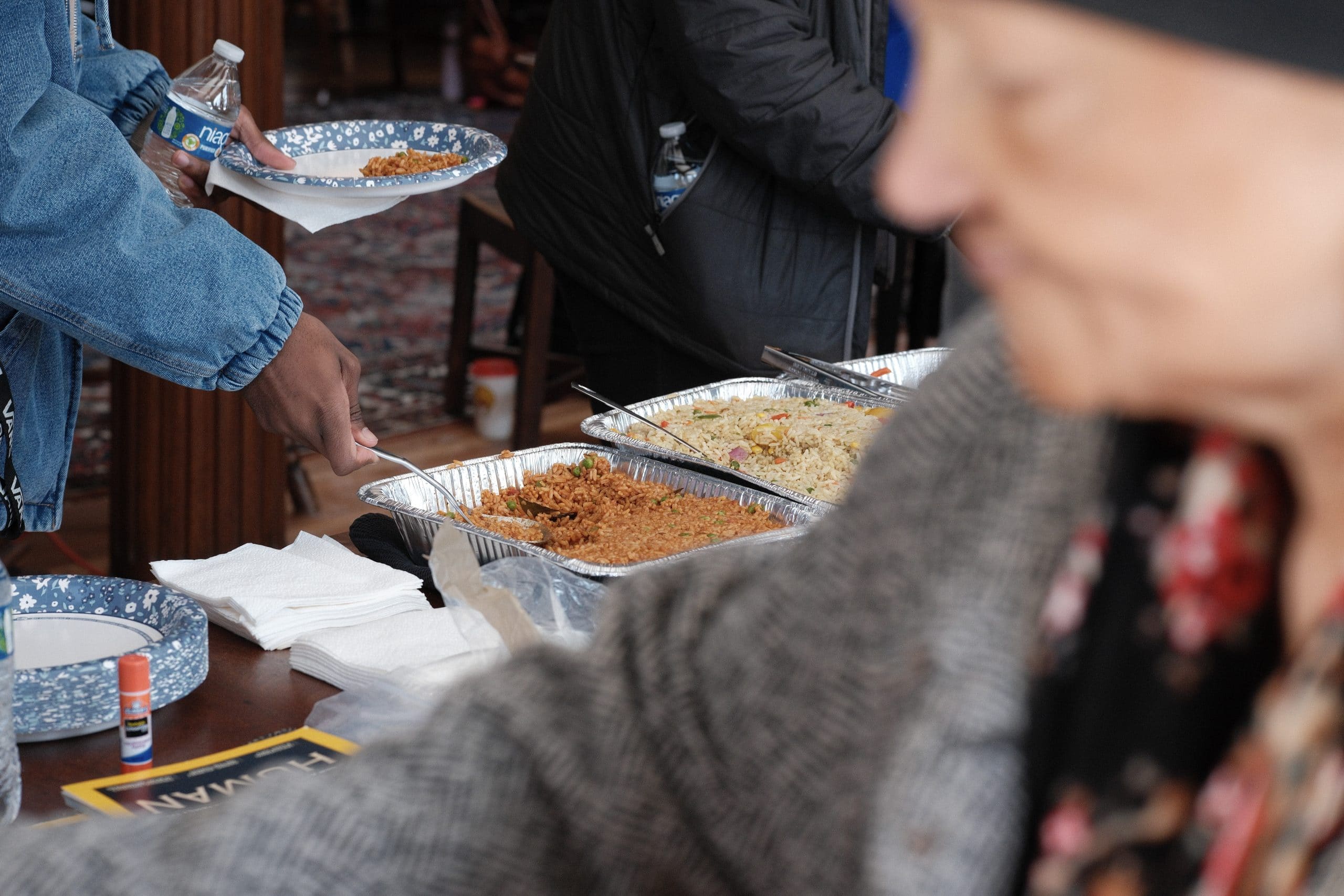
On Saturday, February 22, Black revolutionaries aged 11 to 73 gathered to begin Black Radical Education for Abolition & Liberation (B-REAL Academy), a 14-week initiative designed to teach organizing skills, build community, and reclaim Black radical education.
B-REAL is a declaration of resistance. It is a direct response to the fascist onslaught on Black truth and the white terror targeting Black education. It is a sanctuary of revolutionary imagination, a site of fugitive pedagogy, a testament to Black study in defiance of anti-Blackness.
Led by Melissa Ferrer Civil, Kansas City’s inaugural Poet Laureate, the academy challenges students to see that the blueprints for liberation have always been within reach—buried beneath centuries of colonial erasure, but alive and thriving in the marrow of Black resistance.
“What we’re drawing upon is something we already know,” she told students during the first session.
A Long History of Resistance
The B-REAL Academy curriculum equips participants with the tools to resist oppression and build a liberated future. Over 14 weeks, students learn to organize, study the history of Black resistance, develop radical journalism expertise, and envision a world where all are free.
“We’re told we’re at the bottom of the totem pole. But what that means is, when we start to shift, the structure begins to rumble.”
Melissa Ferrer-Civil
Rooted in the legacy of the Black Radical Tradition, B-REAL draws from a lineage of liberation schools—like the Freedmen’s Schools, established by the Freedmen’s Bureau after the Civil War to educate formerly enslaved people, and the Black Freedom Schools, created by the Student Nonviolent Coordinating Committee (SNCC) and Mississippi organizers during Jim Crow to empower Black communities through political action.
The curriculum is built on the lessons from other popular education movements, including The W.E.B. Du Bois Movement School for Abolition & Reconstruction in Philadelphia and The Love We Don’t See in Los Angeles, weaving them into a uniquely fugitive pedagogy that arms students with knowledge and resistance.
Lessons From the Past
“Black revolutionaries do not drop from the moon. We are created by our conditions. Shaped by our oppression. We are being manufactured in droves in the ghetto streets.”
Assata Shakur

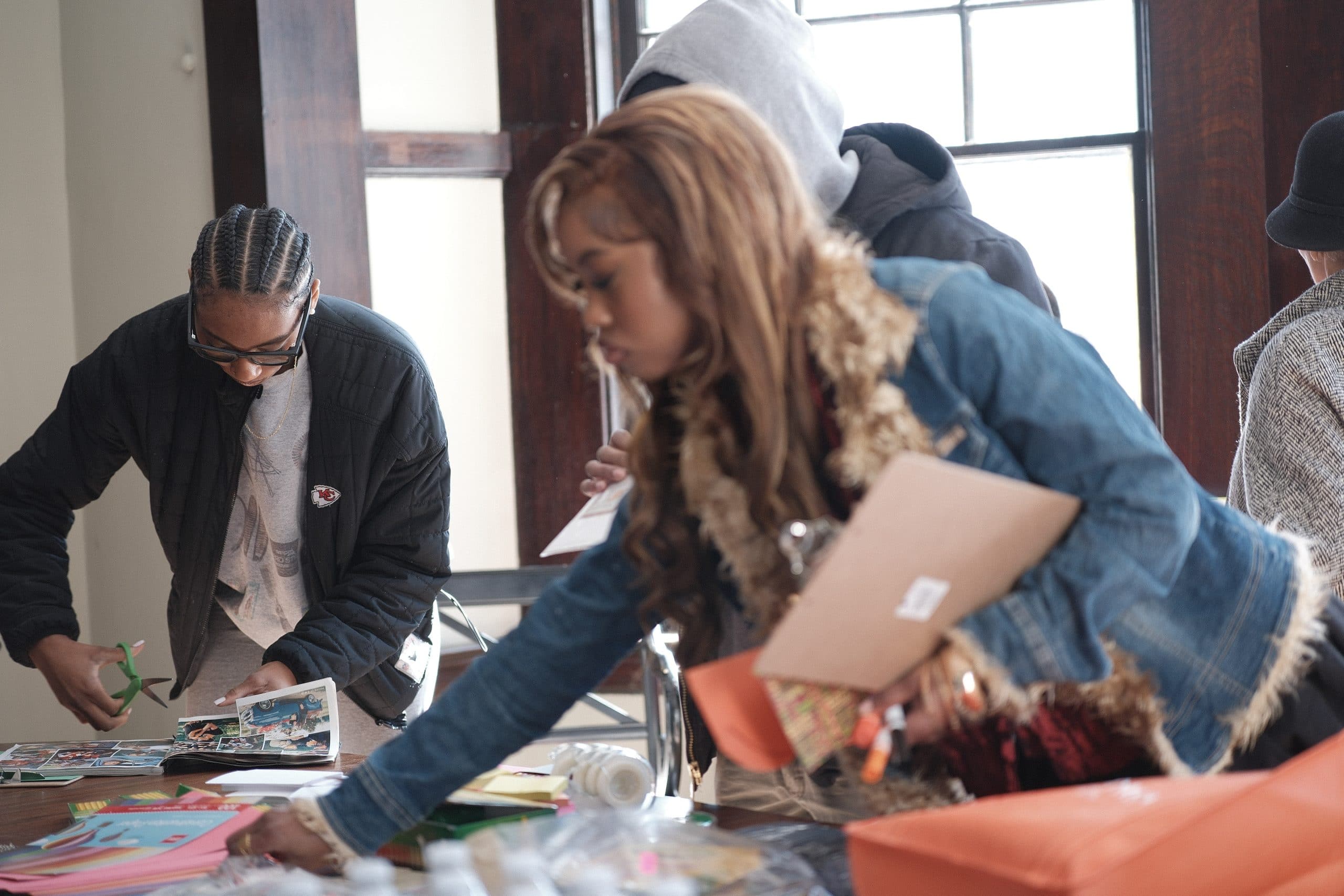
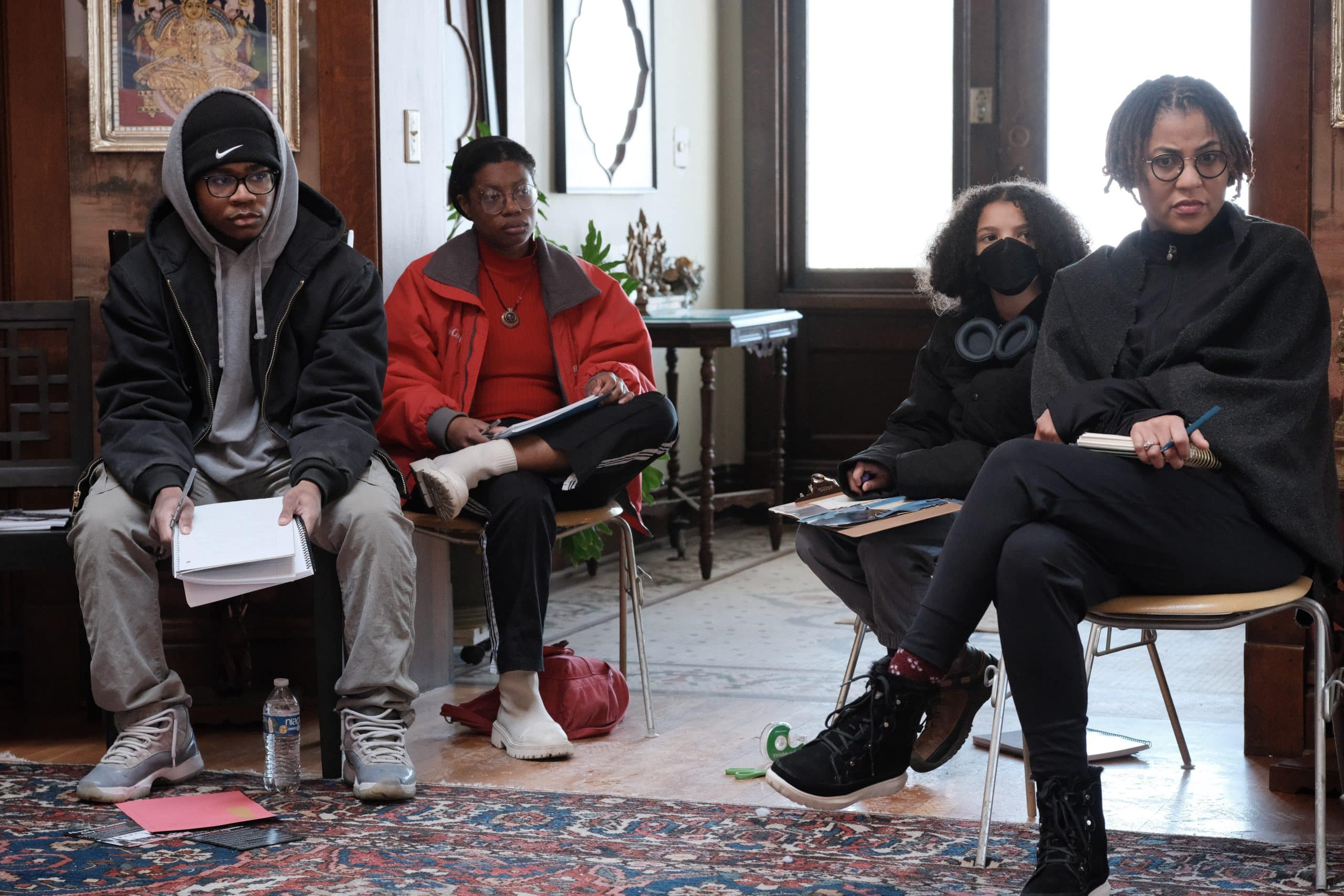
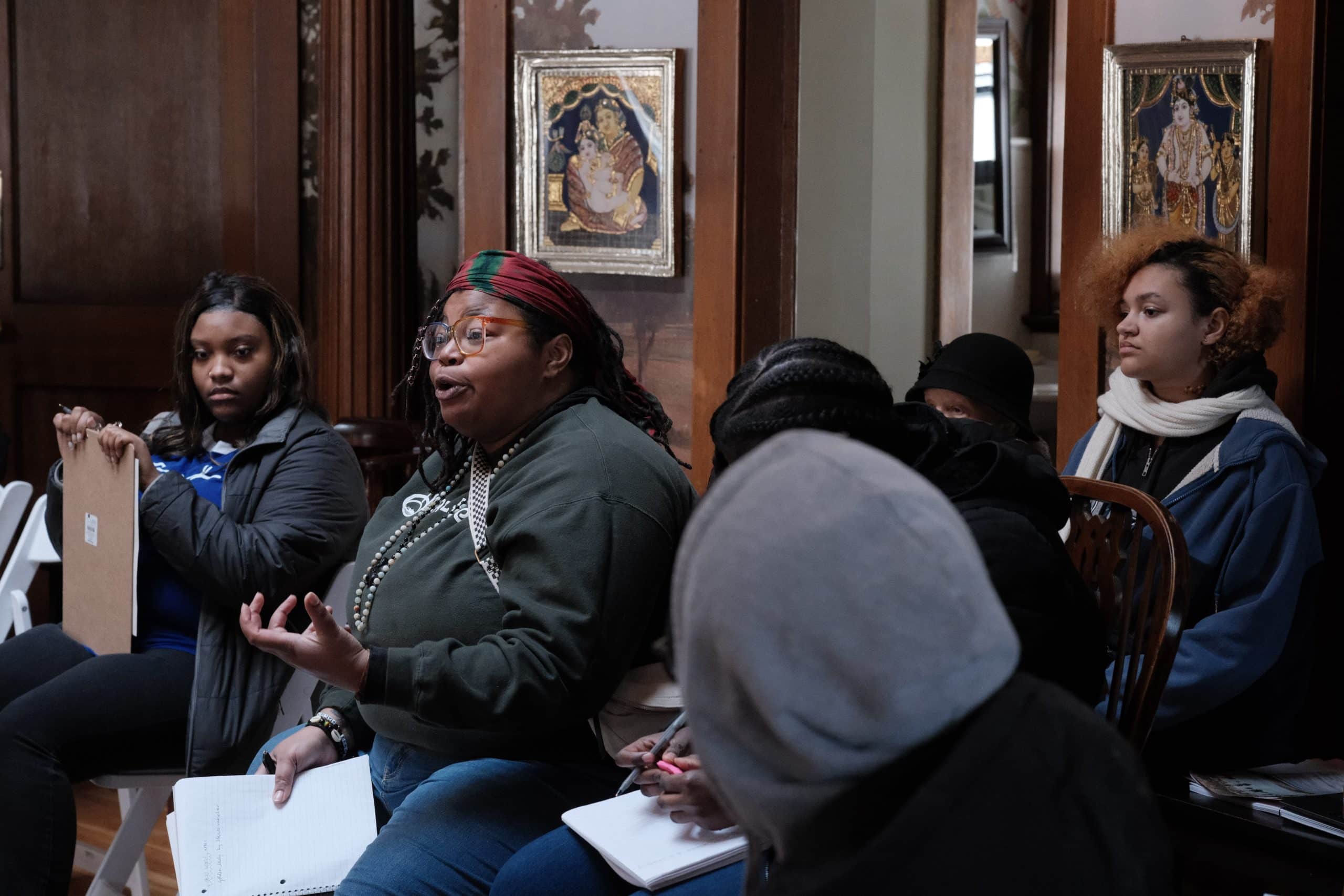
The first session ended with a reading of “To My People,” a letter by revolutionary Assata Shakur, who was falsely accused of killing a state trooper in 1973, brutalized by the state, and eventually escaped to exile in Cuba. In the letter, Shakur calls out the white supremacist systems suffocating Black communities, urging her people to wake up, to see clearly the chains around them, and to fight for their liberation.
“We have nothing to lose but our chains,” she presciently wrote.
This call to revolutionary consciousness struck like lightning for nineteen-year-old Langston Milsap, who joined B-REAL because he knows that change demands action. As a young Black man, he understands the weight of silence imposed by fear and oppression. But in the sanctuary of B-REAL, he found power, he found community, he found a place where freedom could be imagined out loud.
When asked to describe the first day in one word, he chose: rejuvenated.
“I was looking for community, and I found it,” he said.
“Black people should and, and inevitably, must determine our own destinies.”
– Assata Shakur