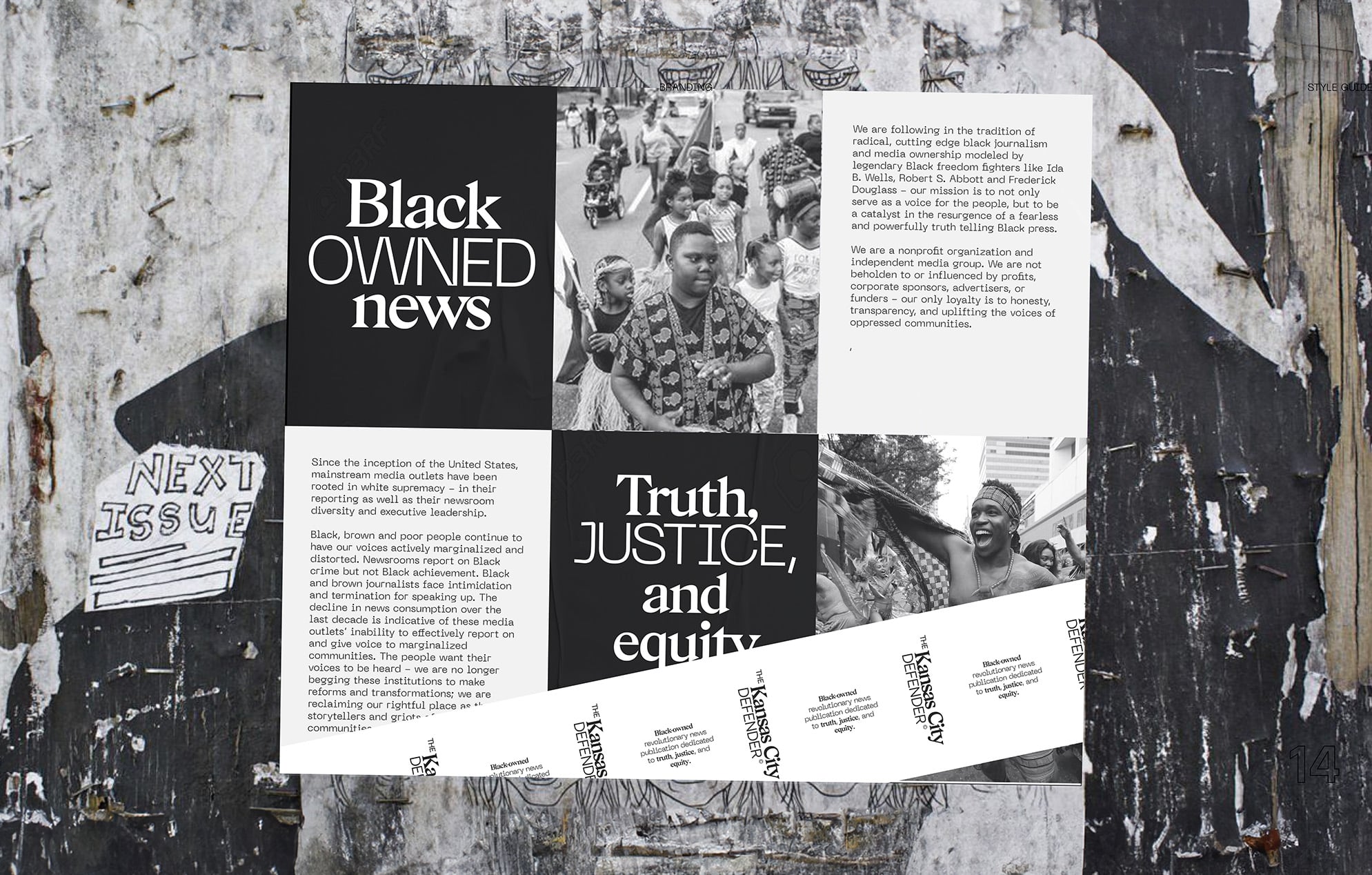
THE DEFENDER HANDBOOK
Radical Roots
& Social-First
Digital Tactics
05.
An Introspective: From the Radical Roots to the Future of Black Media
We examine the past of the radical black press, key figures in history and how it influenced the creation of the Kansas City Defender today.
The Freedom’s Journal
Radical Roots
After the Civil War ended in 1865, the emancipation of enslaved Black people ignited a powerful resurgence of Black newspapers.
Journalist Phyl Garland captured the post-war spirit: “There was an enormous burst of energy, a desire to communicate, a desire to connect, with Black people establishing newspapers in any town, even tiny ones. It was their first opportunity to use the written word without fear of reprisal.” This wave of Black press activity was a symbol of freedom, resistance, and a tool for community building in both the North and South.
Literacy and information were viewed as dangerous weapons, ones that could ignite resistance and rebellion. Patrick Breen, author of The Land Shall Be Deluged in Blood: A New History of the Nat Turner Revolt, notes, “Anti-literacy laws were written in response to the rise of abolitionism in the North.” Abolitionists like David Walker, a Black New Englander, distributed revolutionary pamphlets such as the Appeal, calling for uprisings to end slavery, highlighting the radical roots of Black journalism.
In other words, from the earliest Black papers and even pamphlets prior to newspapers, many were abolitionist, ideological, pro-Black, and revolutionary.
America’s first Black newspaper, Freedom’s Journal, founded in 1827—the same year slavery was outlawed in New York—was co-founded by Rev. Samuel Cornish, who led the congregation at Shiloh Presbyterian Church. This church was a hotbed of abolitionist activity and one of Lower Manhattan’s stops on the Underground Railroad. It is no coincidence that the first Black newspaper was born in the same place as an abolitionist organizing space and an Underground Railroad location.
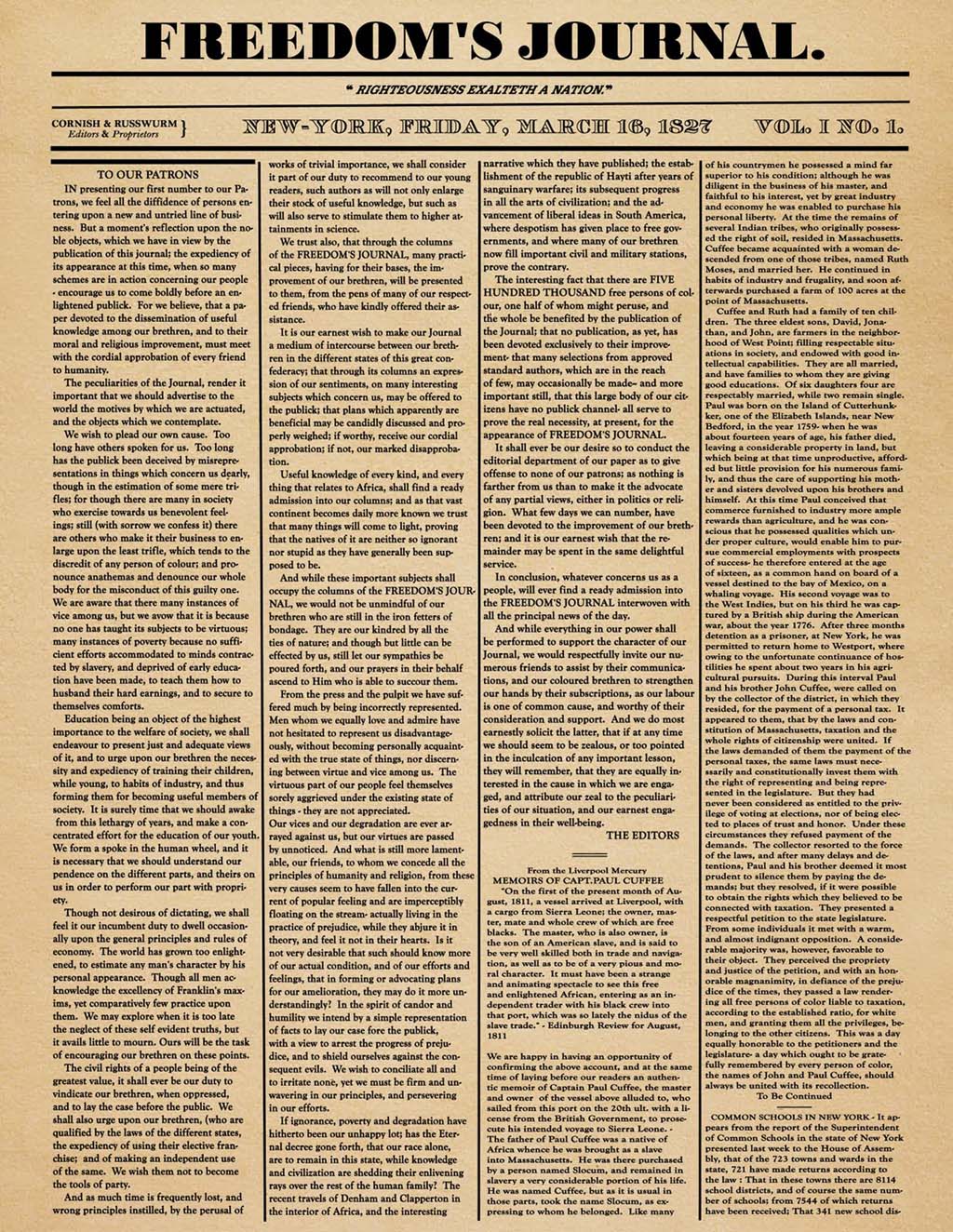
Freedom’s Journal, Vol. 1 No. 1, March 16, 1827, Courtesy Library of Congress (sn83030455)
“Every major city in the United States had a publishing organ that served to disseminate the ideological focus, social commentary, and political analysis of Black Power. These publications or ‘movement pages’ were critical sites of knowledge production that imagined liberation for the entire Black world…Open nearly any publication from the Black Power era and one finds an emphasis on a collective vision of political autonomy. These periodicals conveyed the urgency of Black-led revolutionary change…On these movement pages could be found calls for the embers of the black press were an amalgamation of professional journalists, citizen journalists, influencers, pundits, and everyday readers who all shared a stake in promoting civil rights, reporting ‘race beat’ news, and using their editorial voices to speak truth to power on the experience of racism.”
– Dr. Christopher Tinson, Remembering the Black Radical Press
“These periodicals went beyond merely presenting the news. Rather they strove to explicitly shape Black public opinion on a range of issues. Common themes included critiques of U.S. domestic, state-sanctioned violence and inequality, police brutality, Lyndon B. Johnson’s Great Society, the War on Poverty, government surveillance, and school desegregation. Foreign policy concerns chiefly included African independence, self-determination of the Third World, and the Vietnam War.”
– Dr. Christopher Tinson, Remembering the Black Radical Press
The Black Panther Newspaper
Radical Roots
A frequently overlooked yet critical aspect of the Black Panther Party’s revolutionary legacy is the central role played by its newspaper. Rich with anti-imperialist, internationalist, and anti-capitalist rhetoric, its pages served as a dynamic organizing tool for education and mobilization.
The newspaper’s ability to articulate the struggles and aspirations of Black Americans was striking, making it perhaps the most successful newspaper in American history at unifying and mobilizing masses of Black people. For this reason, we studied it as a key example of the radical potential of information services and news media for revolutionary means.
Its reporting ignited conversations on street corners, in community centers, and among activist circles. The paper was one of the primary instruments in shaping the Party’s image and in communicating its messages of resistance and liberation to a wider audience.
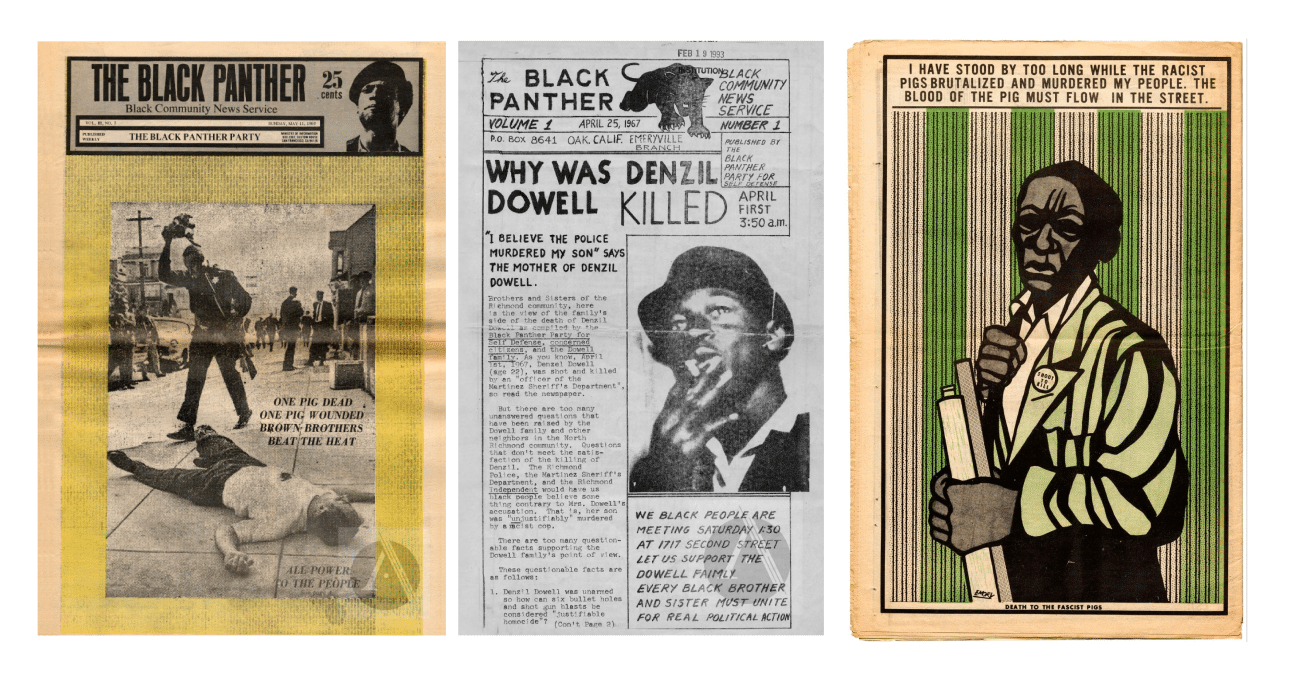
The Black Panther, Vol. 1, No. 1, April 25, 1967, The Black Panther, Vol. 3, No. 3, May 11, 1969, courtesy of The Marxists Internet Archive. The Black Panther, November 21, 1970 – All images of The Black Panther © 2017 Emory Douglas / Artists Rights Society (ARS), New York


The Black Panther, Vol. V, No. 23 (December 5, 1970), 1970, The Black Panther, Vol. IV, No. 5 (January 3, 1970), 1970. Courtesy of the Merrill C. Berman Collection.
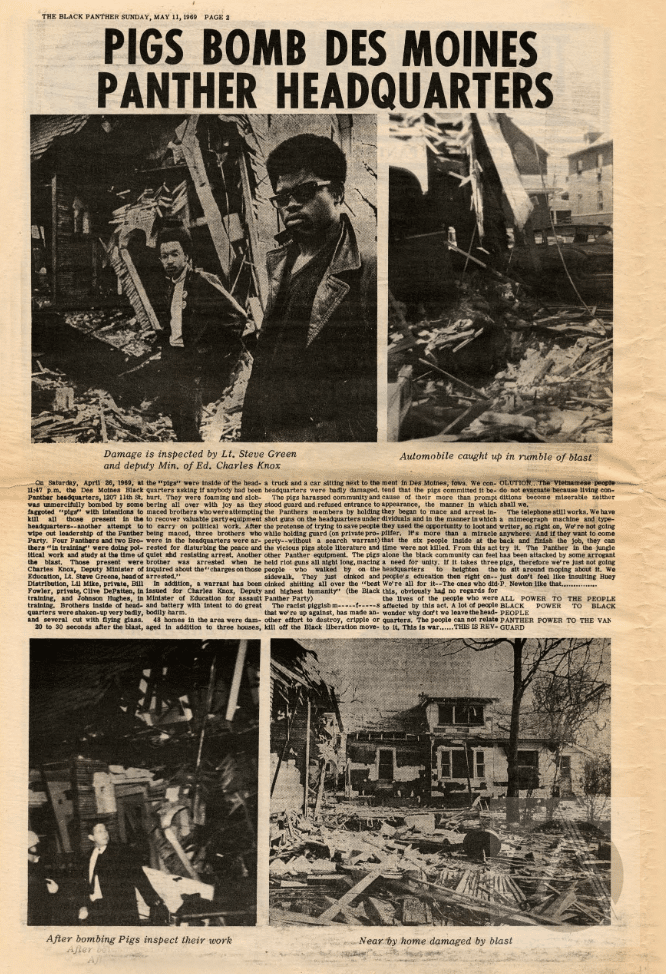
The Black Panther, Vol. 3, No. 3, May 11, 1969, courtesy of The Marxists Internet Archive.
Their newspaper disseminated revolutionary ideas, attracted new members, shared messages from political prisoner comrades on the inside, and galvanized a movement – leaving an indelible mark on the landscape of American social and political revolutionary movements.
Muhammad Speaks
Radical Roots
Muhammad Speaks, the official newspaper of the Nation of Islam founded by Malcolm X, played a transformative role in Black journalism. The paper’s fearless editorial approach, combined with Malcolm X’s visionary leadership, made it a cornerstone of Black resistance, political education and political power.

“Muhammad Speaks.” Muhammad Speaks, Vol. 2, No. 7, Dec. 1962. Wayne State University. Independent Voices. Reveal Digital, JSTOR.
While Malcolm X is often remembered for his electrifying speeches, Muhammad Speaks also amplified his message. Through its pages, Muhammad Speaks delivered radical critiques of white power structures, called for Black self-determination, Black nationalism, and provided a platform for revolutionary discourse.
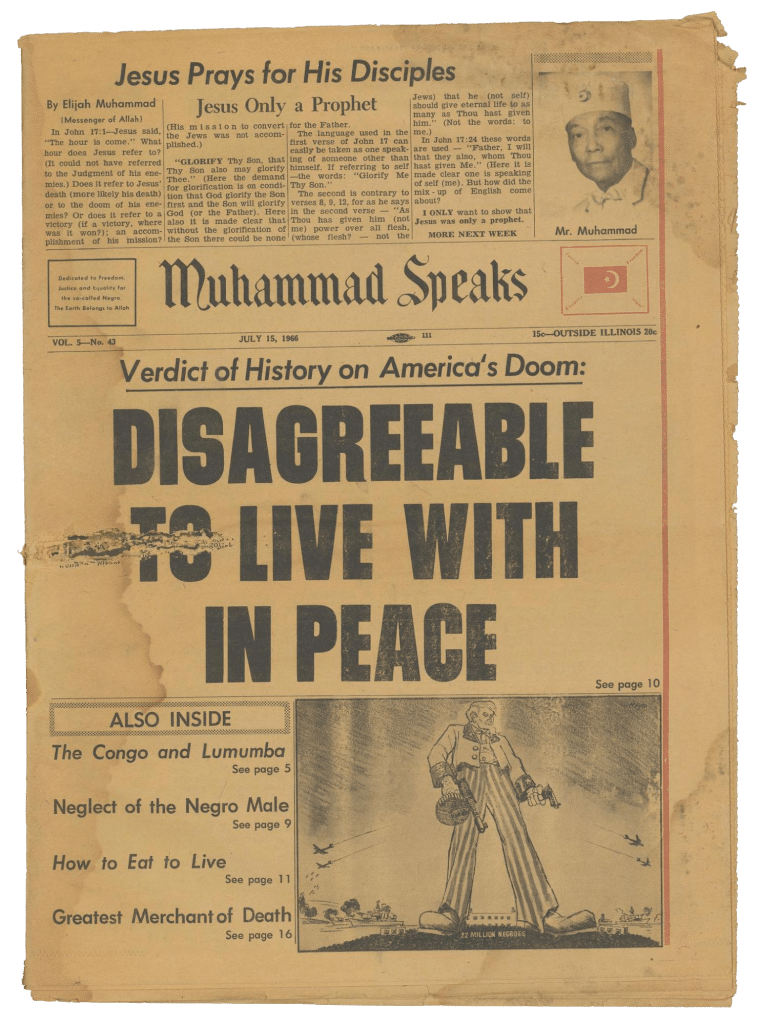

Muhammad Speaks Newspaper, Vol. 5, No. 43, Ed. 1, Friday, July 15, 1966. Chicago, Illinois. Accessed July 21, 2024. University of North Texas Libraries, UNT Digital Library; crediting UNT Libraries Special Collections. Muhammad Speaks Newspaper, Vol. 1 No. 6, April 1962. Land Of Our Own The Only Justice, Image courtesy of Nation of Islam Historical Archives Online.
The Chicago Defender
Radical Roots
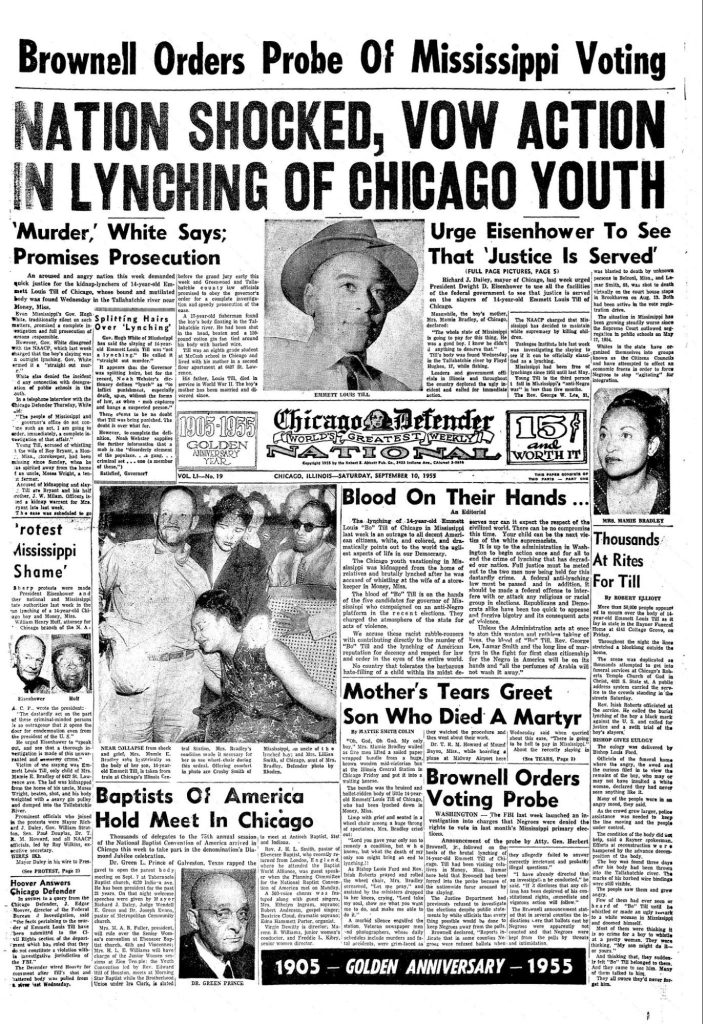
“As a northern paper, The Defender had more freedom to denounce issues outright, and its editorial position was very militant, attacking racial inequities head-on. Sensationalistic headlines, graphic images, and red ink were utilized to capture the reader’s attention and convey the horrors of lynchings, rapes, assaults, and other atrocities affecting black Americans.”
– PBS News, The Chicago Defender Biography
The Defender’s militant approach was instrumental in raising awareness and mobilizing the Black community. The paper played a pivotal role in inspiring the Great Migration, encouraging Black families to leave the oppressive conditions of the South for better opportunities in the North. Through its powerful editorials, compelling stories, and practical advice, the paper highlighted the economic and social advantages of moving northward. It provided detailed information on job opportunities, housing, and the realities of life in northern cities, effectively becoming a guide for thousands seeking a better life. This migration significantly altered the demographic landscape of America and contributed to the growth of vibrant Black communities in northern cities.
Additionally, The Chicago Defender pioneered a youth section written by young people, giving a voice to the younger generation and ensuring their perspectives and experiences were heard. This innovation allowed youth to express their views on various issues, from education and employment to social justice and cultural identity.
Black Women in the Black Press
Radical Roots
The Black press’s legacy is deeply rooted in the fearless activism of Black feminist figures like Ida B. Wells. Wells’s dedication to exposing the horrors of lynching made her a towering, legendary figure, but the list of pioneering Black women journalists extends far beyond her.
Figures such as Lillian Parker Thomas Fox, Katherine Davis Chapman Tillman, Lucy Wilmot Smith, Mary Virginia Cook-Parrish, Dr. Mary Ellen Britton, and Victoria Earle Matthews played crucial roles in shaping Black journalism.
“If they didn’t know one another directly, the women journalists working during the era of the Black press’s proliferation at least knew, and often publicly admired, the others’ work—so interconnected were their worlds. These women were fighting against multiple systems—racism, sexism, an exclusionary white feminist movement—that were determined to keep them unseen and unheard. With their platforms, they were attempting to write themselves, and all Black women across America, into undeniable visibility. Together with the leading women thinkers, leaders, and activists of the race, they offered Black women powerful tools to advocate for themselves—and gave us language, ideas, and strategies for political engagement that we are still influenced by today.”
– Maya Millet, The Heroines of America’s Black Press
Another pivotal figure in the history of the Black press is Claudia Jones, a Afro-Caribbean Communist journalist and activist. As a child, she migrated with her family to the United States, where she held leadership roles in the Communist Party and sharpened her feminist, Black nationalist praxis, while adopting the name Jones as “self-protective disinformation.”
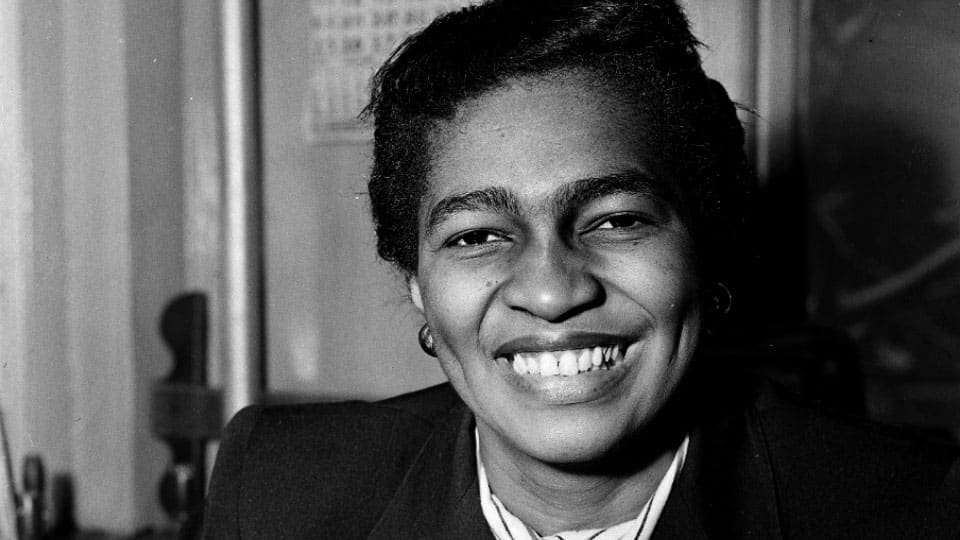
Claudia Jones, then the secretary of the Women’s Commission of the Communist Party USA, is pictured at the party’s national office in New York City, Jan. 22, 1948. People’s World Archives.
In 1958, Jones founded Britain’s first major Black newspaper, the West Indian Gazette. Her role was crucial in advancing Black communist movements, using the newspaper as a platform to advocate for revolutionary transformation, workers’ rights, and women’s rights. Jones engaged directly with her readers, holding public conversations and answering their political questions, thus fostering a strong sense of community and political consciousness.
Her work highlighted the interconnected struggles against colonialism, racism, and sexism, making her an indispensable figure in the history of radical Black journalism.
The Birth of ‘Objective’ Journalism
Rejecting Archaic Modes of Thinking
The constructed objectivity of news reporting convinces audiences of its harmlessness, thus disarming the impulse to engage in critical thought. Under the guise of neutrality, these so-called objective reports often perpetuate the status quo, masking biases that align with dominant, oppressive power structures.
While the emergence of the concept of objectivity can be traced back to the rise of the penny press, two of the most powerful institutions that played vital roles in professionalizing the philosophy of objectivity in journalism were the Associated Press (AP) and the Society for Professional Journalists (SPJ).
We feel no allegiance towards this archaic mode of thinking. The future of journalism lies in breaking away from these outdated and oppressive standards. Just as Sankofa teaches us to look to the past to forge a better future, we believe that the future of journalism can be found by revisiting and embracing the principles of the Radical Black Press.
The Radical Black Press prioritized truth-telling, community building, and resistance against oppression over the illusion of neutrality.
The Future of Black Media
RADICAL ROOTS & SOCIAL-FIRST DIGITAL TACTICS
The radical and fearless outlets of the past offer invaluable lessons. They demonstrated the power of media as a tool for liberation, a platform for oppressed voices, and a weapon for us to fight back.
Today, we have the opportunity not only to learn from these revolutionaries but to build upon their teachings. By integrating their revolutionary principles with modern digital technologies and tools, we can expand the reach and impact of our work.
Social media, for instance, offers vast new possibilities for deploying communication tools and information services in revolutionary ways. These platforms can amplify our voices, mobilize communities, and spread critical information at unprecedented speeds.
In a time of rapidly growing fascist threats, the role of Black media is more crucial than ever. We must harness the power of digital technology to continue the legacy of the radical Black press. By doing so, we can create a dynamic and responsive media landscape that not only reports on our communities but also actively contributes to our liberation.
→ KC x RJI Partnership
Support Radical
Black Press
The Kansas City Defender and the Reynolds Journalism Institute are proud to partner in creating a toolkit that will include the rich history of the radical Black press, its vital contributions to the future of the field, and a template for a media landscape that genuinely caters to the needs of our communities.