For Executive Director Alana Henry, the sudden cancellation of the Ivanhoe Neighborhood Council’s federal farming grant was a direct assault on Black self-determination, economic empowerment, and the right to feed one’s own community.
“We are under attack by a hostile government,” she said. “But that has been our experience for many centuries. We have navigated it many times and iterations before.”
On February 14, Henry received a notice from the U.S. Department of Agriculture informing her that the agency was rescinding a grant awarded to the Ivanhoe Farmers Market for being “too DEI.”
That money was meant to support Black and brown farmers, expand community markets, and provide accessible food to seniors and mothers on WIC. Now, Ivanhoe’s mission has been thrown into uncertainty.
“If we can’t, as a society, care for those groups, then we have really lost our way,” she said. “And arguably, America has never lived up to the promise of caring for not just those of means, but those without means.”
“Growing Food Is Revolutionary” – The Fight for Black Food Sovereignty
The Ivanhoe Neighborhood Council was awarded the now-canceled grant from the USDA’s Farmers Market Promotion Program in October, with funding intended to support staffing, market expansions, and infrastructure to sustain Black and brown farmers in Kansas City.
The $165,000 grant was set to be distributed over three years, with the USDA covering 75% of program costs and the neighborhood council contributing a 25% match. The USDA was expected to reimburse the organization for expenses after they were incurred.
Henry said staff had already completed their required training and begun interviewing for an assistant manager position to support the expanded farmers market. The neighborhood council had also received an initial $3,000, but further reimbursements have now been stalled.
While the organization is eligible to request reimbursement for funds spent through February 14, the sudden loss of federal support means they must now seek alternative resources to pay employees, secure needed supplies, and fill the gap in the assistant manager role.
To the executive director, this fight goes beyond funding — it’s about tackling generations of systemic disenfranchisement and securing black food sovereignty.
“I’m passionate about local food, particularly Black and brown growers in the community,” Henry told The Defender. “Helping folks get access to food, but also [teaching them] how to grow their own food. Our people have worked the land and known the land.”
But for Black Farmer, that connection to the land has long been undermined by persecution and racial oppression at the hands of the U.S. government.
After slavery was abolished in 1865, Black people were forced to labor on the same land they had toiled for centuries — this time under the guise of freedom. Through exploitative sharecropping agreements, they had to surrender a large portion of their harvest in exchange for housing and farming supplies — often bought on credit from white landowners at inflated prices.
By design, this system ensured that Black sharecroppers rarely earned enough to break even.
Pitched as a path to independence, sharecropping instead became a tool of economic entrapment, keeping Black farmers in cycles of debt and dependency on white landowners. For nearly a century, it restricted their mobility, denied them wealth-building opportunities, and reinforced white economic dominance.
For the USDA, the cancellation of Ivanhoe’s grant is just another marker in its deeply rooted history of anti-Black racism. Congressman Jamie Whitten of Mississippi controlled the agency’s budget for over four decades in the 20th century as chair of the House Appropriations Subcommittee on Agriculture. His grip on federal agricultural policy systematically excluded Black farmers and deepened the racial wealth gap that persists today.
Whitten shut down agencies studying Black farmers, gutted anti-poverty programs, and derailed efforts to aid Black sharecroppers — dismissing such initiatives as “hound dog projects.”
“So much of our knowledge and skills were taken from us and used to uplift a system that systematically disenfranchised us, and I want us to take that power back.”
Alana Henry
State-Sanctioned Racism Today
From slavery and sharecropping to discriminatory USDA policies, Black farmers have been systematically pushed off their land. As recently as 1910, Black farmers owned over 16 million acres of farmland — today, that number has plummeted to just 2.9 million acres, less than 0.32% of U.S. farmland. As a result, Black farmers lost $326 billion worth of farmland between 1920 and 1997.
This land theft was made possible through racist violence, exploitative lending, and a federal agriculture system that has always prioritized white landowners.
So for Henry, growing food is an act of defiance.
“The ability to be self-sufficient, to sustain your own life, is revolutionary and radical in and of itself,” she said.
This is precisely why the Ivanhoe Neighborhood Council’s work was a target for the new neo-fascist, neo-confederate regime in power, led by Trump and Musk. The farmer’s markets and training programs are more than simply places to get fresh food; they represent the ability of our people to reclaim control over our livelihoods, health, and land.The cut to Ivanhoe’s funding is just one example of the state-sanctioned attacks from right-wing lawmakers on initiatives empowering marginalized communities. Missouri Governor Mike Kehoe has ordered a ban on DEI initiatives in all state agencies, including The University of Missouri. University officials said they plan to comply.
And DOGE’s attacks on poor, Black and brown communities and programs (dubbed “DEI”)have put many Kansas City infrastructure projects at risk, such as a grant to remove lead from soil and homes in low-income neighborhoods and a grant-funded study on reconnecting neighborhoods segregated by the construction of U.S. Highway 71.
Empowering Black Farmers
The Ivanhoe Neighborhood Council has long played a vital role in helping Black farmers establish themselves in Kansas City.
Mike Rollen, owner of Ophelia’s Blue Vine Farm, credits the organization with helping him launch his urban farm over a decade ago. He connected with the council through its “Grown in Ivanhoe” program, a collaboration with the Master Gardeners of Greater Kansas City, which provided free classes on food cultivation and self-sufficiency. The program welcomed participants from all backgrounds, equipping them with the skills to grow their own food.
For Rollen, this experience was a turning point. He gained essential urban farming techniques and, in turn, shared that knowledge with his community. His first opportunity to sell his crops came at the Ivanhoe Farmers Market, which provided a welcoming, community-driven space that made entering the market less intimidating for new growers.
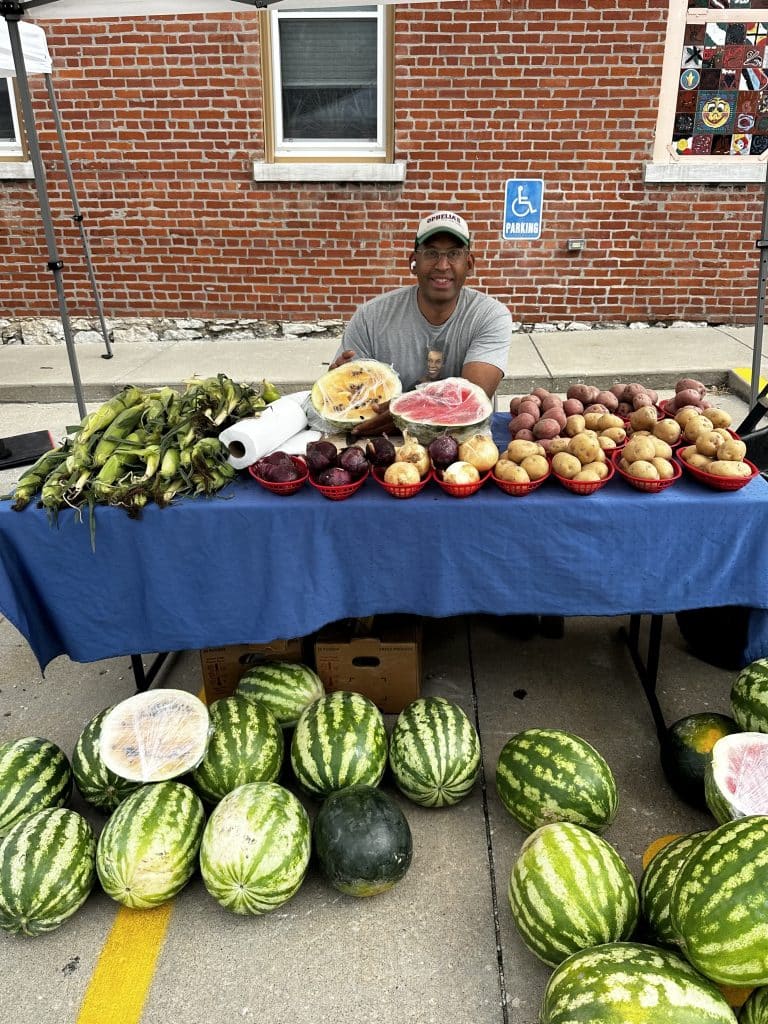
He said news of the USDA’s cancellation of Ivanhoe’s grant was deeply disappointing, calling it yet another example of the U.S. government’s ongoing neglect of Black agriculture.
“It’s 2025, and it’s sad to think that we’re still going through the issues as Black farmers that we were dealing with 100 years ago,” he said.
Legal Pushback is Possible, but Ivanhoe Looks to the People
An executive order targeting diversity initiatives doesn’t mean the fight is over. In fact, it has just begun.
David Wheaton, Assistant Policy Counsel at the NAACP Legal Defense Fund, explained that while quotas are illegal — as they set rigid criteria for hiring or funding — DEI programs themselves are not. He emphasized that such initiatives help level the playing field for disenfranchised groups, which is a core principle of civil rights law.
“Equal opportunity and anti-discrimination obligations are enshrined in the Constitution and in our federal civil rights laws,” he said. “Executive orders cannot change that. Only the Supreme Court can do that.”
That means that while the DOGE-led administration is attempting to cut funding for empowering initiatives, Trump’s executive orders are mere scare tactics because they do not override federal civil rights laws.
“It is the president’s role to implement laws and not write them, and DEI programs help organizations comply with civil rights by ensuring that all people have an equal footing in the workplace,” he said. “What they are doing is just trying to chill or stop conduct, but that conduct is not illegal.”
Unfortunately, these tactics still intimidate organizations and freeze funding until federal courts establish a legal precedent. But Black-led organizations do not have to accept these funding losses without recourse. They have grounds to challenge the USDA’s decision in federal court, Wheaton said.
The NAACP Legal Defense Fund has already filed a lawsuit in U.S. District Court on behalf of the National Fair Housing Alliance, the National Urban League, and the AIDS Foundation of Chicago, challenging three anti-DEI executive orders. A ruling in their favor could force the courts to clarify that these executive orders violate existing civil rights protections, potentially setting a legal precedent to protect similar programs nationwide.
Henry said she is skeptical about appealing the grant termination in court.
“Some folks have said, ‘Are you going to sue or appeal or all those things?’ I don’t know. Maybe,” she said. “I’m not expecting the government to be the solution to this situation. Even if they did [rule in our favor], how can we trust them in the first place?”
Instead, she’s looking not to Washington, but to the people.
“My focus is on community — serving that community as best as I can with our team and leadership, and we are going from there.”
Henry is clear: the government is not the solution, and the people must organize.
“Our responsibility as a collective is to continue to strategize, mobilize, and uplift our community. That’s what we need to focus our efforts on,” she said.
“We Are Not Laying Down – We Are Mobilizing”
In true grassroots fashion, the Ivanhoe Neighborhood Council is refusing to let the government’s betrayal stop them. Now, Henry’s focus is on mobilizing the community to fill the gaps left by the government’s retreat.
“The ‘what’s next’ is communicating with our community on what ways it can step in to help,” she said. “We intend to continue the market throughout the year.”
That includes launching the expanded market for mothers on WIC and seniors using the Senior Farmers Market Nutrition Program (SFMNP), which provides food vouchers for elders.
“We wanted to host an indoor market just for those groups, so their dignity was respected,” she said. “We’ve seen it’s hard to navigate the [token payment] system — who can you buy from, what is excluded. We wanted to create a space that was welcoming for them.”
Despite the funding loss, Henry says they are still recruiting volunteers and seeking donations to make sure the market happens.
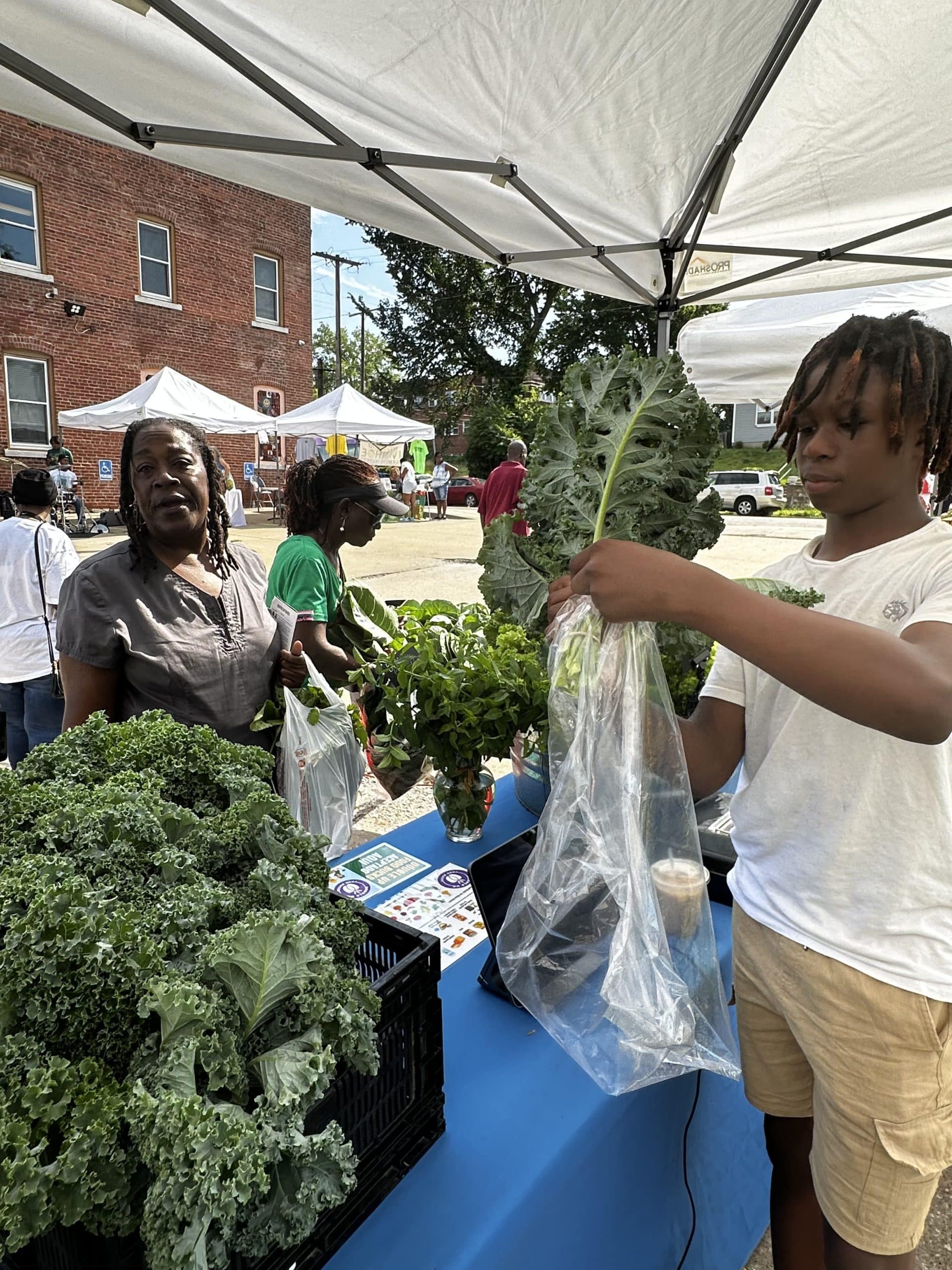


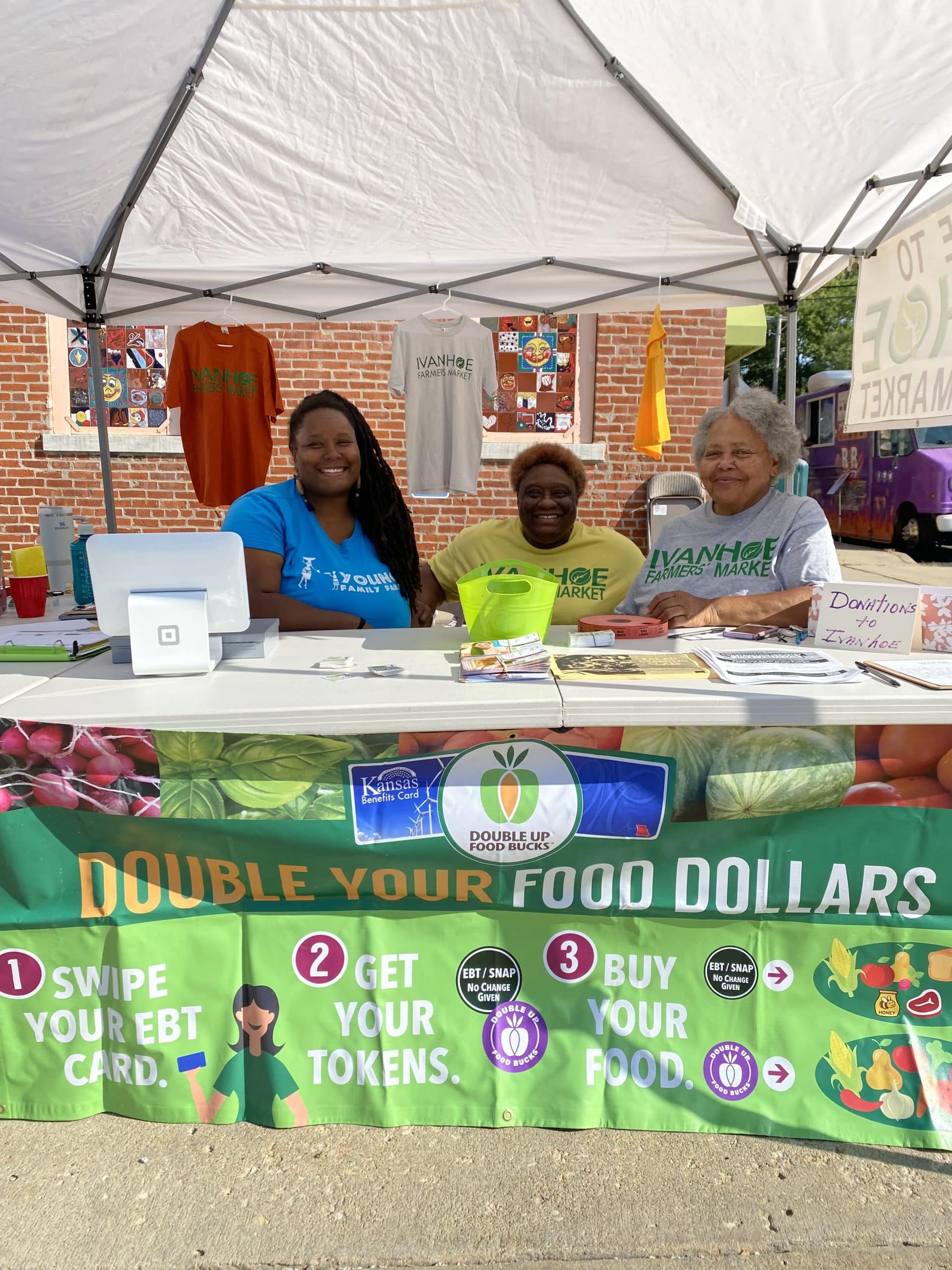
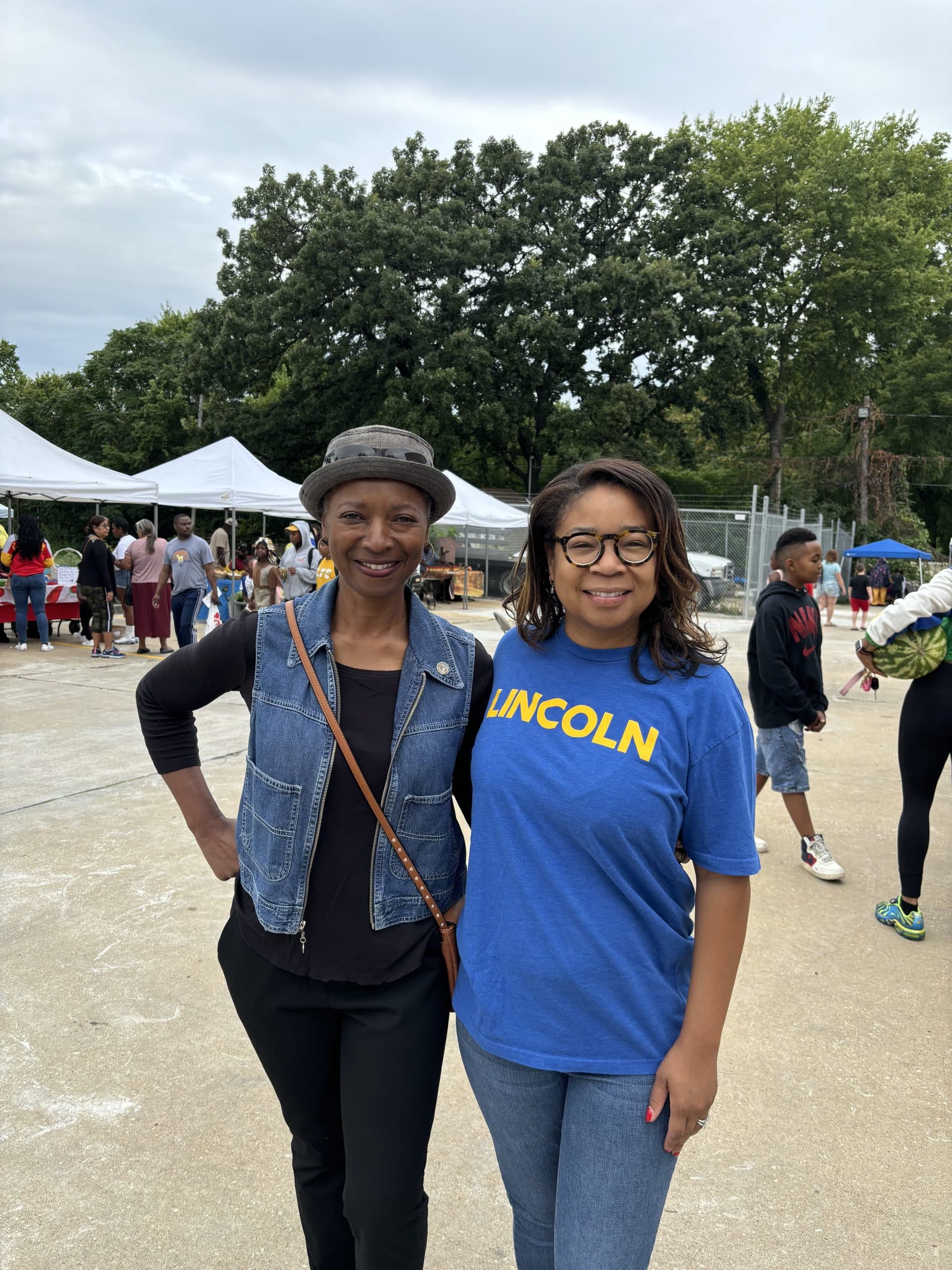


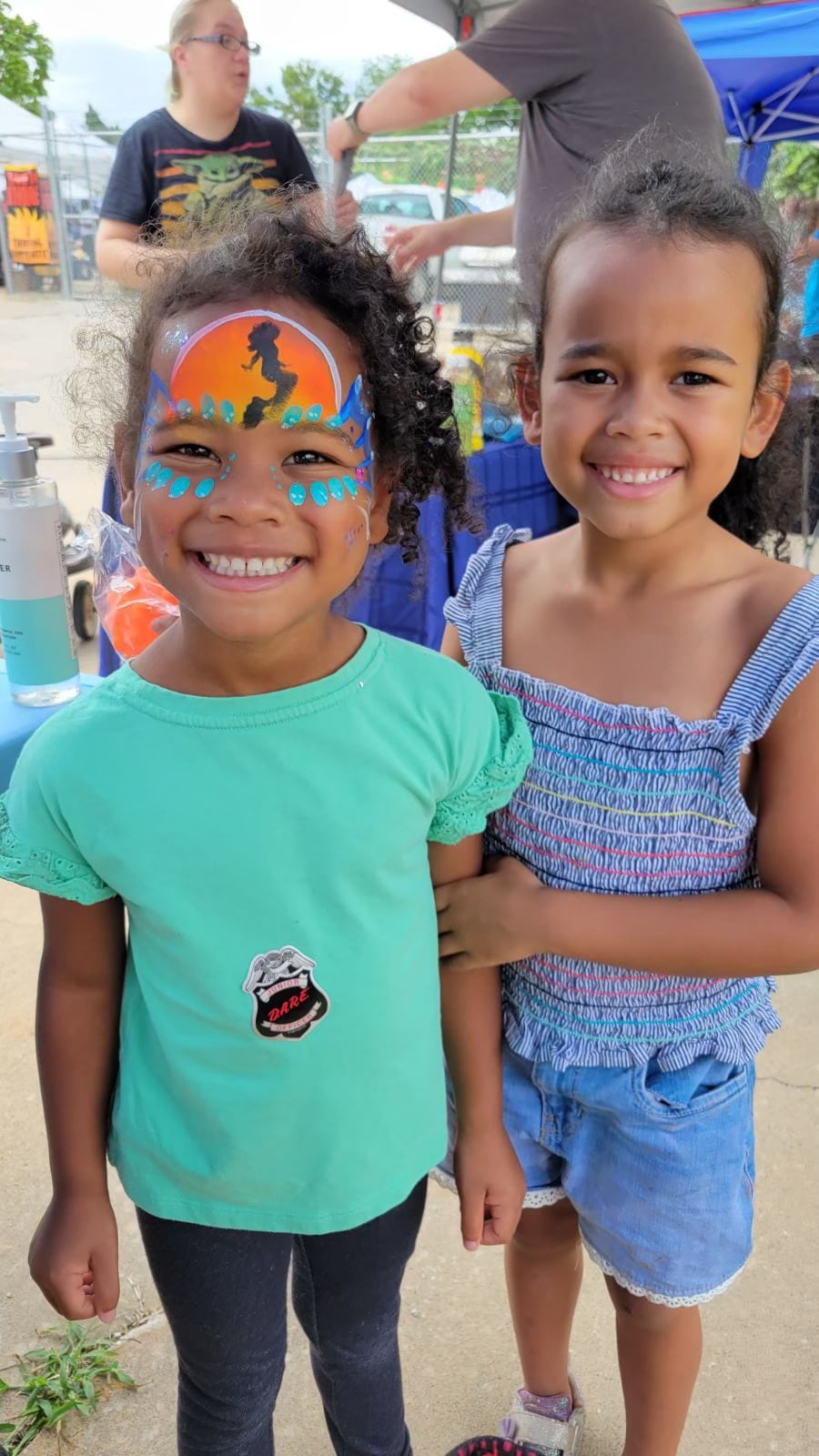




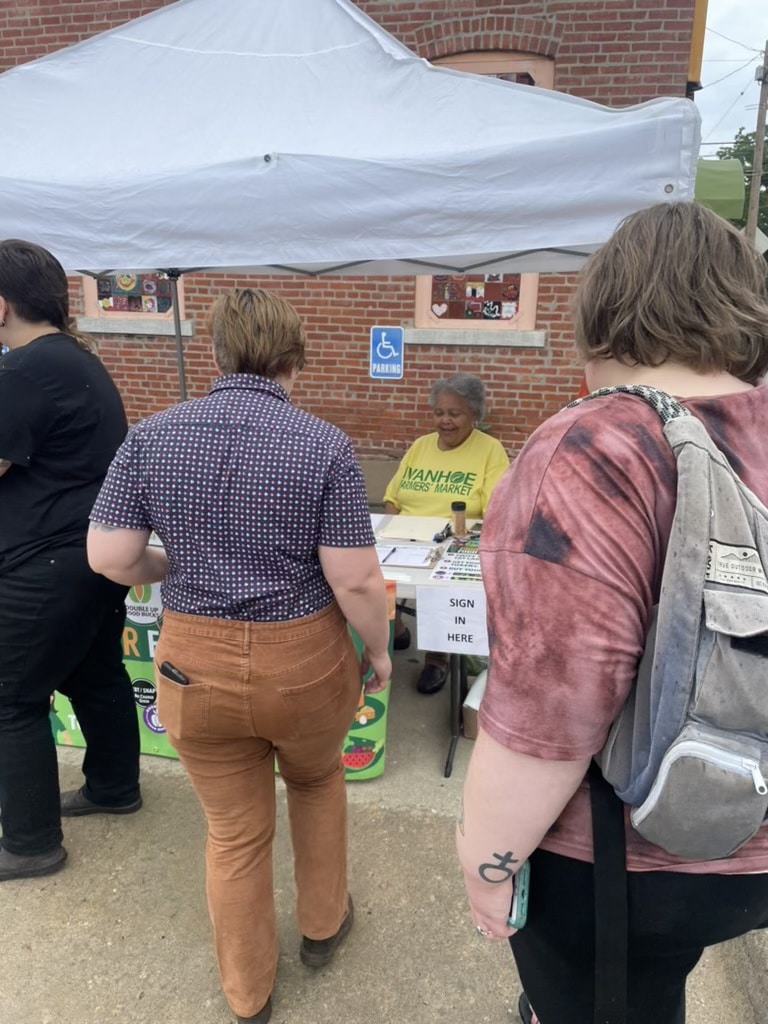
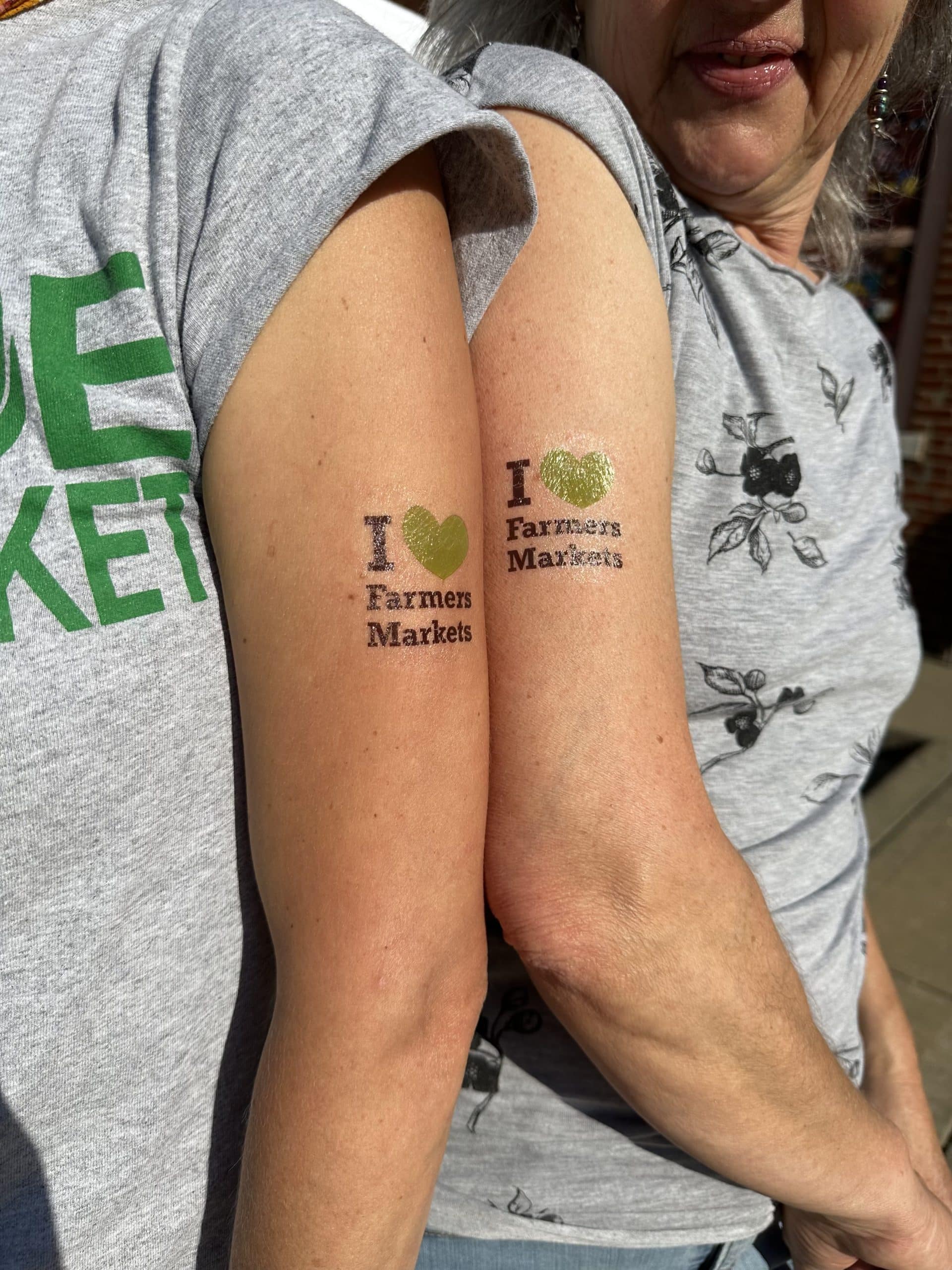
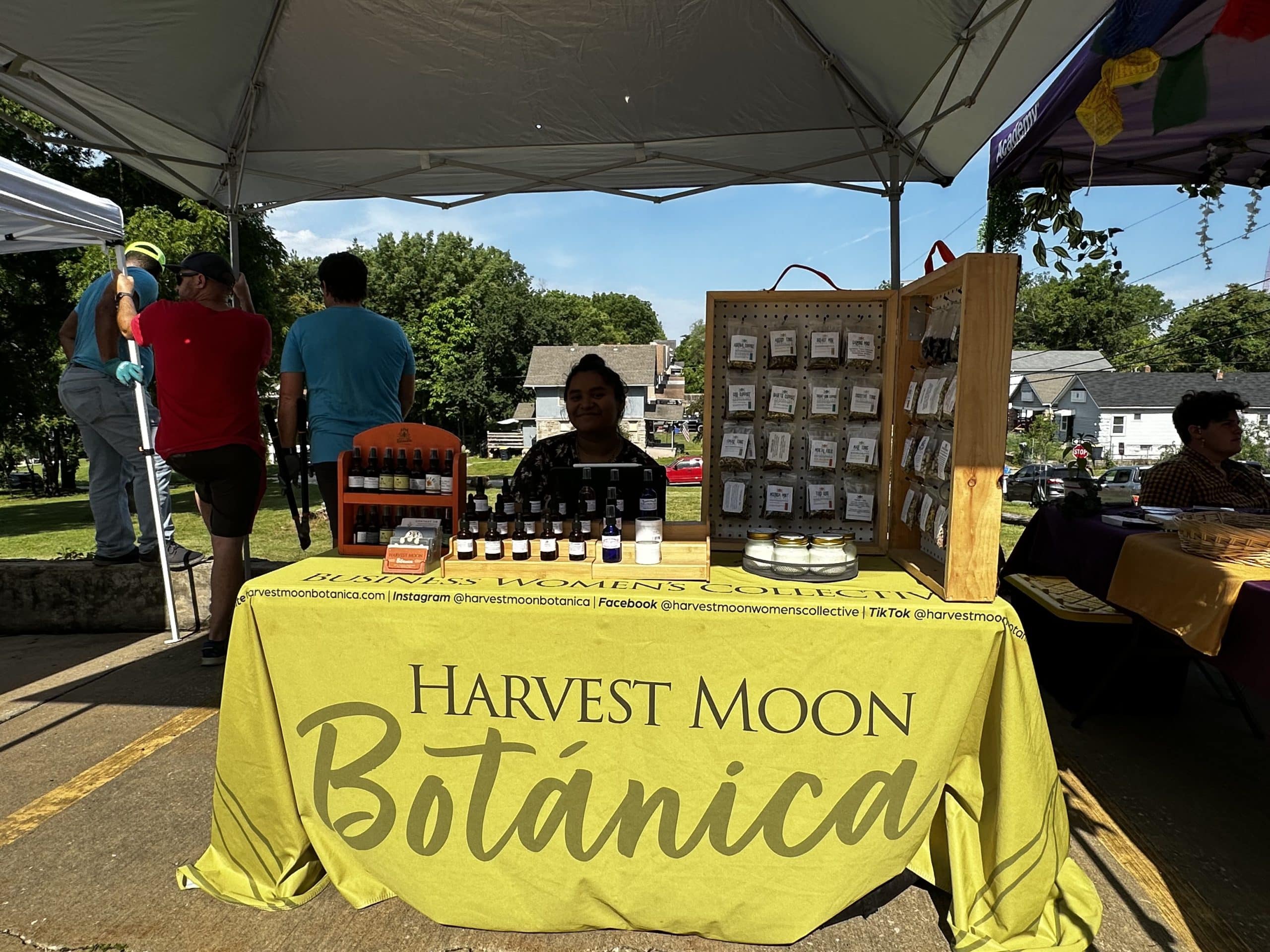

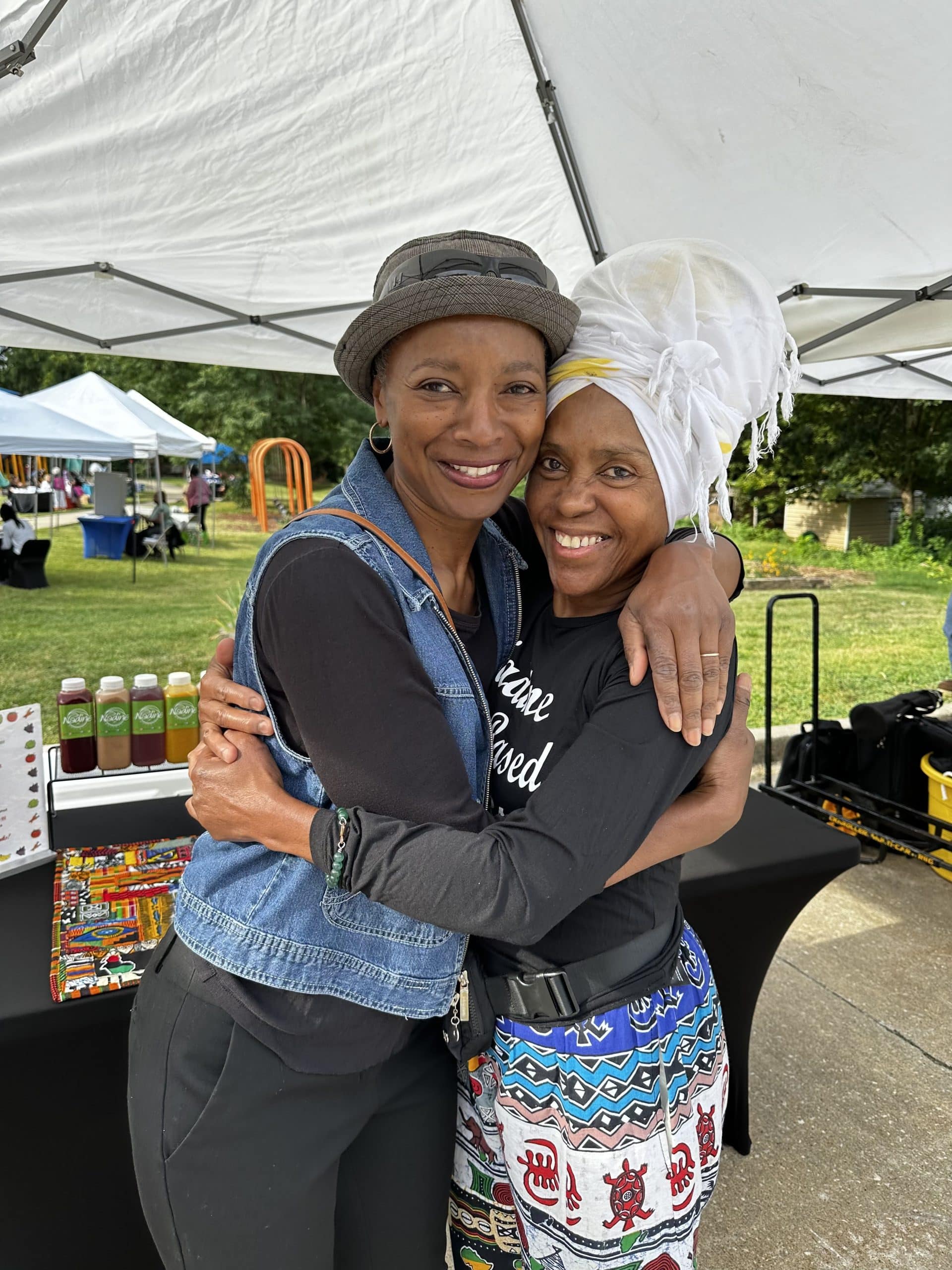
While the Ivanhoe organization waits to see what’s next, Black farmers say that they will continue relying on self-sufficiency in the wake of today’s explicitly racist administration — something they’ve long been accustomed to.
“Black farmers have been able to do so much, even through slavery and being discriminated against, so we will still make it through this,” Rollen said. “It’s much harder to without loans or anything like that. But we do get the job done. We just have to go back to depending on ourselves and doing what we can with what we have.”
The Call to Action – How You Can Stand With Ivanhoe
Henry emphasized that this is not just about Ivanhoe. The attack on their funding is part of a larger war on Black and brown communities, our lifelines, and our very ability to survive.
“Our project was just one small piece of that effort, but I think it’s happening all over,” she said.
Here’s how you can stand with Ivanhoe right now:
- Donate to support Ivanhoe’s farmers market and food programs:
Click here to donate. - Volunteer to keep the markets running: Click here to volunteer.
- 2–4 volunteers are needed on the 2nd Saturday of each month (7 a.m.–11 a.m. and 10 a.m.–2 p.m.)
- 1–2 volunteers needed on the 4th Friday of each month (2–6 p.m. and 4–8 p.m.)
- A weekly volunteer (4 hours) is needed for community outreach
- Spread the word – Share this article and tell others about the attack on Black food sovereignty.
- Pressure local and state officials – Demand action from elected leaders to support Ivanhoe and prevent future cuts.
The Bottom Line: We Will Not Be Starved Into Submission
Alana Henry’s words are without question a battle cry.
“I hope we don’t just lay down and take whatever folks throw at us,” she said. “I hope we come together to make things better for our people.”
Black communities have always known what it means to fight for land, food, and freedom. And just as they have before, the people of Ivanhoe are refusing to back down.
The only question is: Will we stand with them?