KANSAS CITY, Mo. — In a decisive move against the Trump regime’s mass kidnapping and human trafficking agenda, Kansas City’s City Council passed a five-year moratorium Wednesday banning permits, licenses, and zoning approvals for any detention facility not owned or operated by the city.
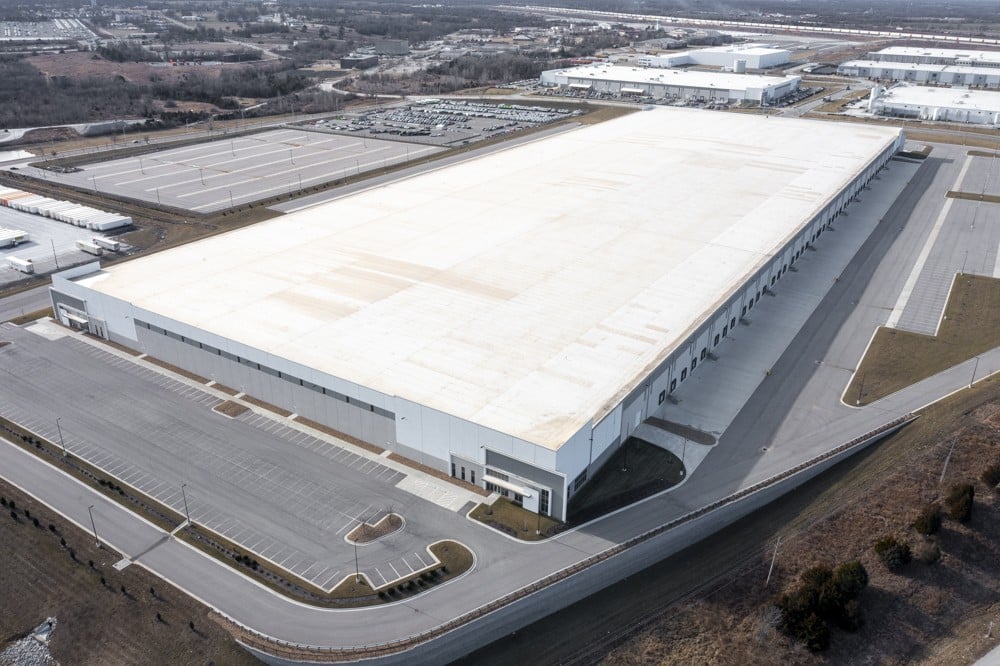
The ordinance, introduced by Mayor Quinton Lucas, comes amid reports that Kansas City is under consideration as a potential site for a federal concentration camp capable of holding up to 10,000 people. The moratorium takes effect immediately and applies to all pending and future applications through January 15, 2031.
Councilman Johnathan Duncan, a vocal advocate for the measure, did not mince words about the federal threat in a statement to The Kansas City Defender.
“I will use every tool at my disposal to fight this federally funded terrorist organization that is ICE,” Duncan said. “While today’s moratorium vote was a good first step to stopping this mass incarceration concentration camp from being built in our City, this fight is far from over. We will need to put public pressure on any business that thinks they can sell out our community for personal profit. That comes next.”
A Victory with Limits
For abolitionists and immigrant rights advocates, the moratorium represents a significant, if incomplete, victory.
The ordinance effectively blocks ICE concentration camps and private prison companies like CoreCivic and GEO Group from establishing operations within city limits. These corporations have profited billions from immigrant detention, operating facilities notorious for torture, medical neglect, and deaths in custody.
However, the moratorium’s language reveals the limits of the city’s commitment to ending mass incarceration. By restricting only “non-municipal” facilities, the ordinance preserves Kansas City’s ability to expand its own carceral infrastructure. This includes the new detention facility slated for construction through funds from the public safety sales tax.
In other words: Kansas City will block the cages built by others while continuing to construct its own.
The Federal Threat
The Trump regime has made mass kidnappings and human trafficking a centerpiece of its agenda, proposing concentration camps across the country capable of holding tens of thousands of people. ICE, operating in the tradition of the Gestapo and American slave catchers, would carry out these raids, tearing families apart and disappearing people into a sprawling network of camps and cages.
These facilities would require cooperation from local governments, private landowners, and contractors willing to participate in a machine that mirrors some of the darkest chapters in American and world history.
Kansas City’s moratorium represents one of the first concrete moves by a major city to obstruct these plans. By denying permits and zoning approvals, the city forces the federal government to either find alternative sites or engage in protracted legal battles.
Mayor Lucas framed the decision in terms of economic priorities.
“We consistently hear from residents that Kansas City’s focus should be on economic development and housing, not mass detention facilities holding thousands,” Lucas said. “Our priority is building businesses, homes, and schools that strengthen and grow our community.”
What Comes Next
As Councilman Duncan noted, the moratorium is a first step. Advocates are already turning attention to the private sector, where businesses and property owners may be tempted by lucrative federal contracts to facilitate kidnapping operations.
The fight will also extend to the state level, where Missouri’s Republican-controlled legislature could attempt to preempt local ordinances blocking federal immigration enforcement.
For Kansas City’s immigrant communities, the moratorium offers a measure of protection in an increasingly hostile political landscape. For abolitionists, it stands as a reminder that the struggle against cages and detention cannot end with blocking federal facilities while local jails continue to rise.
The work continues.
This is a developing story.