“We Are Shooters”: Two Pro-Gun, Right-wing Extremists Are Running for School Board in Lee’s Summit
Lee’s Summit voters must decide if gun-toting extremists are fit to shape our children’s future. The stakes have never been higher—our schools, our values, our vote.

Disclaimer: This article is intended for informational purposes only and does not constitute an endorsement or opposition to any candidate
As voters in Lee’s Summit head to the polls, we are confronted with a decision that will reverberate through classrooms and communities for years to come.
Among the candidates for the LSR-7 School Board is Bill Haley, a self-proclaimed ‘shooter’ and the gun-toting owner of On Target LLC Ammunition—a man whose identity is deeply entwined with the right-wing extremism that many would consider directly at odds with the values of a progressive, inclusive education system.


The disturbing images of Haley’s hand sifting over a barrel brimming with bullets — or, Blake proudly toting weapons of war — are in stark contrast to the diverse and open-minded community of Lee’s Summit.
“We Are Shooters,” Haley’s business proclaims, revealing a chilling ethos for someone who seeks to influence the safety and discipline of our children’s learning spaces.
Both candidates appear to be firearm enthusiasts and evangelical Christians, a combination of ideologies that strongly resonate with a particular facet of christo-nationalist, right-wing extremism.

But this isn’t merely about candidates who are gun fanatics—an issue on its own that merits robust debate—it’s about the risk of normalizing a gun culture within the very institution that should be safeguarding our children. The phrase “We Are Shooters” speaks volumes about the philosophy Haley brings to the table, a philosophy at odds with the nurturing environment schools seek to provide.
At forums, Haley has consistently made deeply concerning remarks on the core needs of students, misconstruing Maslow’s hierarchy by asserting that “The safety of our students and teachers should be our number one priority. That’s at the very top of Maslow’s hierarchy of needs.”
Such statements not only misrepresent psychological theory but also suggest a skewed vision for our children’s education—one where the ‘safety’ he speaks of may well be conflated with the presence of firearms rather than a climate of emotional security and support.
His critique of restorative justice and reluctance to acknowledge the quantifiable benefits of social emotional learning expose a mindset that is dangerously out of sync with modern educational thought. “I believe that social emotional learning can have an impact on our students. However, it’s not quantifiable. You can’t quantify feelings,” Haley asserts, trivializing the complex, measurable progress our educators and students are making in this critical area of development.
This election is more than a choice between individual candidates; it’s a referendum on the direction we want our schools to take. Are we prepared to elect individuals whose personal and professional identity are so heavily armored in the rhetoric and paraphernalia of gun culture?
The Community’s Crossroads: Values in Education
As Lee’s Summit approaches this election, we are reminded that our vote represents our voice on what we envision for the future of education. This is not a directive on how to vote but a call to critically evaluate the implications of electing school board members whose personal and professional identities are closely tied to specific ideologies.
Related Articles
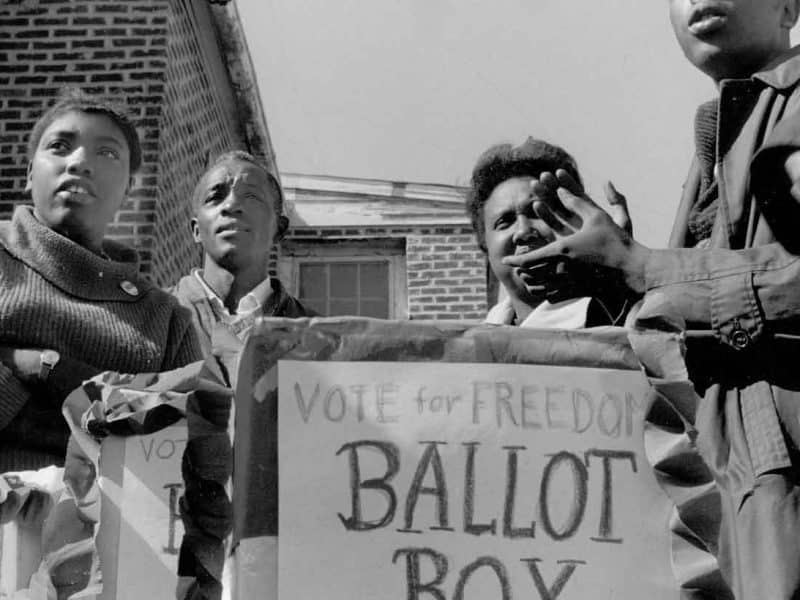
The People’s Ballot: Kansas City’s Voter Guide for November Elections
The Kansas City Defender’s voter guide breaks down every measure and race on your November 3 ballot in plain language, from Prop A to Amendment 3 to COMBAT.
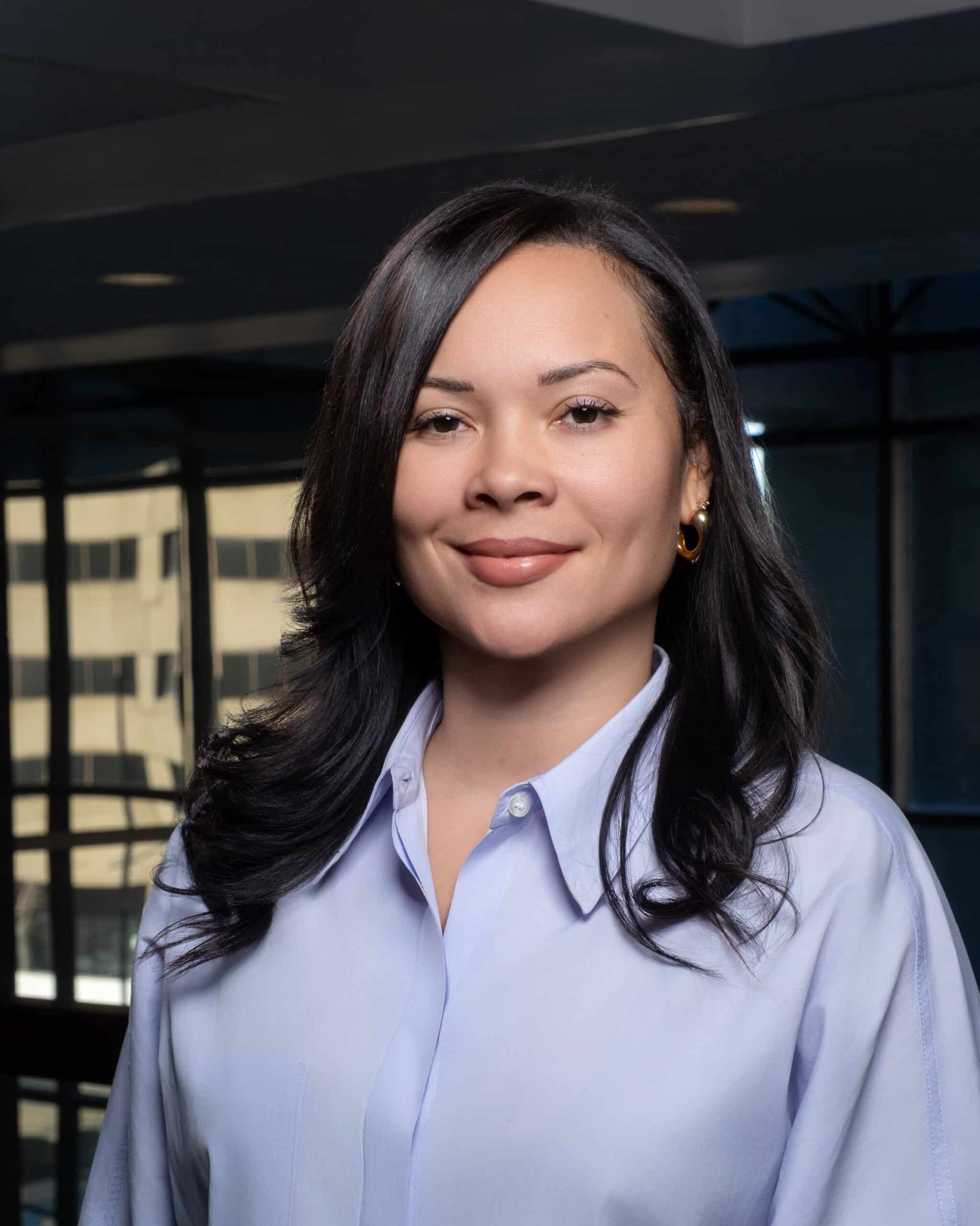
Why a Daughter of Kansas City Is Voting NO on Prop A
Health Forward’s McClain Bryant Macklin on the new map’s line along Troost Avenue, what Prop A does, and how to vote by Nov. 3.
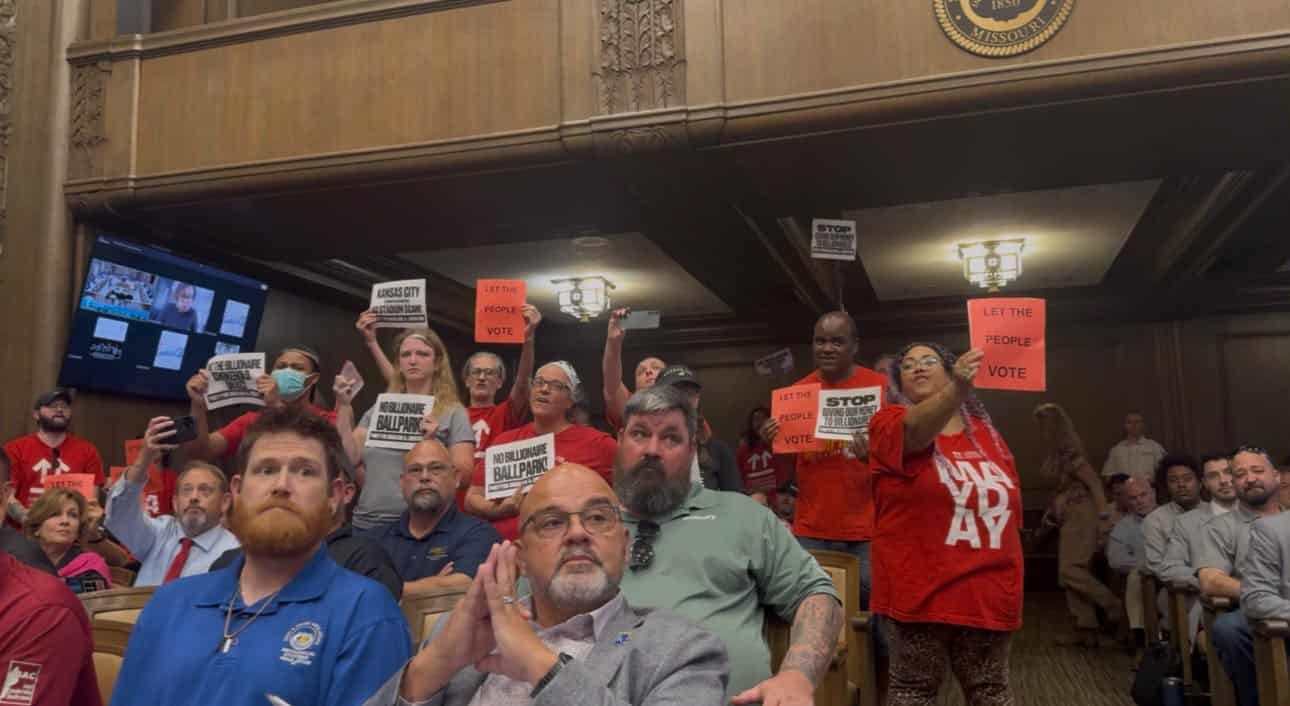
The People Said Let Us Vote. The Council Gave a Billionaire $600 Million Instead
Two days after city officials violently arrested a community leader, I sat in a chamber swarmed with police and watched eleven council members give a billionaire one of the biggest public deals this city has ever seen, without letting a single resident speak.