THE DEFENDER HANDBOOK
Radical Roots
& Social-First
Digital Tactics
Strategic Resource Utilization
Our Deployment Strategy
Black grassroots organizations like ours often hold limited time and resources, so we have to be incredibly intentional and strategic about their utilization. We occupy a unique niche at the intersection of young audiences and local news, a category few outlets across the country reach.
Our strategy involves a blend of cultural integration, community engagement, and a deep understanding of the audience’s interests and values. This approach not only enriches the content, but also fortifies the outlet’s position as a vital, trustworthy, and culturally attuned voice in the community.
Meet Your Audience and Deliver Stories They Seek
+
→
Social-First
Digital Innovation
Meet Your Audience and Deliver Stories They Seek
resource deployment strategy #1
Be where your target audience is and deliver the stories they seek. If you want to reach young people, understand that many of them now get their news exclusively from TikTok & Instagram and rarely, if ever, visit news websites.
The vast majority of our social media users will never visit our website, their only touchpoint with our coverage is through social media, with our Instagram followers significantly outnumbering our website visitors. If our coverage was not active on these platforms, we would be invisible to them.
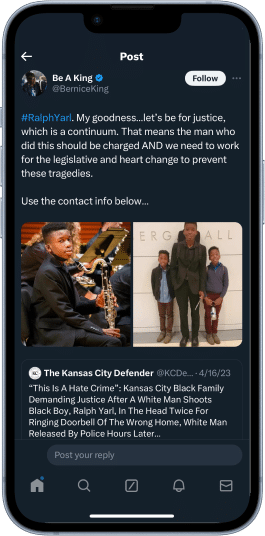
An example of our strategy is the story below which was published on Instagram first, before our website, about the tragic shooting of 16-year-old Black student, Ralph Yarl.
The subject of the story—a racist shooting of a high-school student in the Kansas City area—directly resonated with our primary and most engaged Instagram audience, which largely comprises high school and college-age students. Within 24 hours, our Instagram post had been shared by Bernice King (Martin Luther King Jr.’s daughter), Halle Berry and dozens of other celebrities.


Shift Success From Clicks To Community
+
→
Social-First
Digital Innovation
Shift Success From Clicks To Community
resource deployment strategy #2
Shift success metrics from pageviews and conversions to impactful community measures. We are especially inspired by URL Media’s Five Areas of Impact Framework:
Audience/Individual Impact
Audience Trust and Relationships: Are we building trust-based relationships with audience/community members?
Knowledge: Do audience members have increased knowledge about issues reported, including root causes and potential solutions?
Self-Efficacy: Do audience members feel empowered to contribute to solutions and believe in their ability to ameliorate problems.
Action: Do audience members take action to address problems and/or solutions identified in reporting?
Community/Network Impact
Strengthened Community Networks: Do our audiences use our content to further their work and build power?
New Community Networks: Do Individuals come together around our content to form new networks and engage in shared work? What do you want the community to take away from the coverage? The unfortunate reality is that violence is prevalent in our cities, and continuous coverage of every violent act—while neglecting other happenings in our community—contributes to a heightened sense of fear and a distorted perception of the prevalence of violence.
Institutional Impact
Institutional Change: Does our content lead to community-led institutions taking action or results in corporate, government, and/or political institutions changing their positions, policies, and/or actions? What is the reason you are covering it? What do you want the community to take away from the coverage?
Media Amplification
Agenda Setting: Is our content republished and/or cited by other media, influencing the media agenda with or without direct reference to the originating publication/organization?
Traditional success metrics like pageviews and conversions often fail to capture the true impact of our work. Instead, we should focus on qualitative and quantitative metrics that reflect our commitment to building a principled, engaged, and informed community.
RADICAL ROOTS & SOCIAl-FIRST METRIC EXAMPLES
Impactful Digital Community Measures
Insightful Comments
& Discussions 💬
Measure the quality and depth of comments and discussions on our social media posts. Insightful comments and active discussions indicate that people are engaging thoughtfully with our content and learning from it. For instance, a post about abolitionist reporting that generates a robust discussion on alternatives to policing demonstrates meaningful engagement.
Youth Engagement
& Sharing 🔁
Track how many high schoolers and teenagers share our stories on platforms like Instagram and TikTok. This demographic’s active sharing of vital stories shows that our content resonates with younger audiences and is being disseminated within their networks, amplifying our reach and impact.
Adoption of
Introduced Language 🎙️
Observe and measure how often the community adopts language and terms we introduce in their own posts and discussions. For example, if people start using terms from our ‘Decoding the Cop Lexicon’ guide when talking about policing, it indicates a shift in collective consciousness and alignment with our perspectives.
Event Mobilization through Digital Platforms 👥
Evaluate how effectively our social media platforms drive attendance and participation in our community events. For example, track how many Instagram followers attend events like the Grocery Buyout or Open Mic Nights after engaging with related posts. This helps gauge the mobilization power of our digital presence and its real-world impact.
Traditional success metrics like pageviews and conversions often fail to capture the true impact of our work. Instead, we should focus on qualitative and quantitative metrics that reflect our commitment to building a principled, engaged, and informed community.
For example, we have broken viral stories with over 750,000 impressions in one post on Instagram, but only 7 of those people who engaged with that post clicked on the link in our bio to read the full article on our website.


This story became a national story covered by CNN, NBC News and more, but we published it exactly the same across all of our social media platforms (this was before we learned our lesson). The Facebook and Twitter posts were completely ineffective because we tried to use the same banner-caption-picture-framing we used on IG. On Facebook, this same story only received five likes and zero shares—not because the story wasn’t of interest to our audience, but because we did not customize the story specifically for the platform and its audience.
Banner text inside of images works very well on IG, but not nearly as well on Facebook or Twitter. High-quality images with more information in the caption are more effective on Facebook, while Twitter requires a unique way of presenting information in the thread format. On IG, learning to tell a story using the carousel slides or reel features is also incredibly valuable.
Be Bold, Direct, and Clear
resource deployment strategy #3
When we know that people scroll the equivalent of over three times the height of the Eiffel Tower daily, capturing attention in 1 second or less is essential—“stop the scroll”. That means it must be very easy to read, proper color contrasts ensuring visibility of the words, impactful imagery, and direct copy. These are four of the most critical elements to stopping the scroll.
If you do not capture their attention and provide the necessary information quickly, they will not read the story. Simplifying complex points will ensure they are understandable by everyone across all of our demographics, and is absolutely critical to our strategy.
Drawing specific inspiration has been pivotal in shaping our storytelling style. Platforms like The Shade Room, Baller Alert, DMVHoodNewz and Worldstar have carved out a unique niche in communicating through a blend of online culture, language, and aesthetics tailored to their audiences.

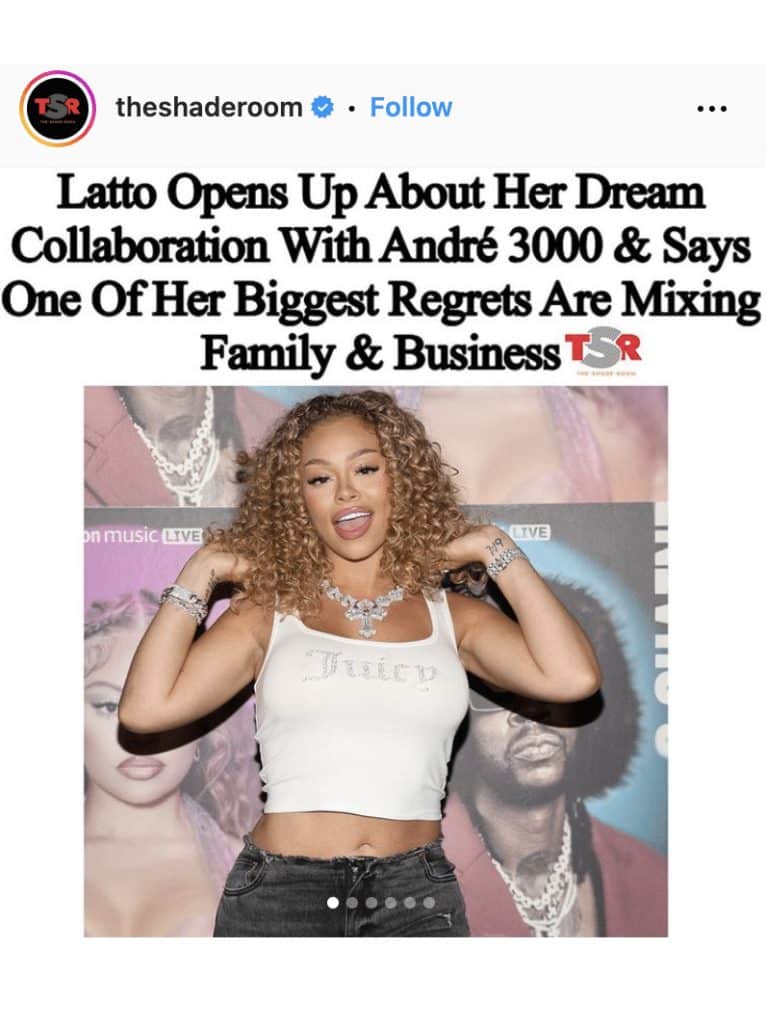

By adopting similar digital tactics, we nod to what is familiar to our followers while going beyond in delivering substantive news stories that resonate within our specific geographic region.

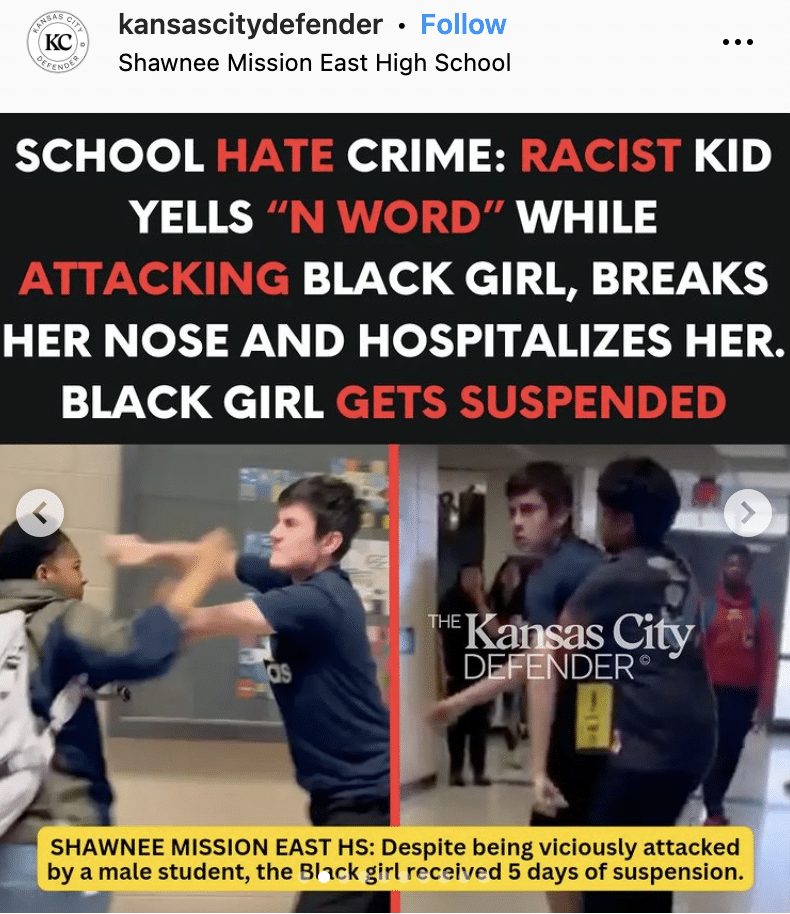
This strategy, however, requires a deep understanding of the culture, influencers, slang, values, and norms of the communities we serve.





Language of Everyday People
+
“This directness is not just a stylistic choice; it’s a commitment to honesty, a pledge to our readers that we won’t dilute the truth for the sake of comfort.”
→
Social-First
Digital Innovation
The Local News Niche & the Importance of Being Black-Owned
Our Deployment Strategy
Much of this strategy works because we established ourselves as advocates of the Black community. We are on the ground in the community attending events, co-hosting parties, hosting free-clothing programs and more.
While we will cover the specifics of our Community Programs in a later section, we want to make it clear that establishing our reputation as cultural tastemakers, getting interviews with rappers and artists, and having our coverage in these realms taken seriously is possible because of the real-world relationships we are building with people on the ground. In everything, we are a very unapologetically Black news outlet and this lets our community know we will always be a place for their voices and experiences.
No Euphemism, Call It Like You See It
If it’s racist, call it racist. The traditional editorial philosophy or mainstream newsroom position is that in order to call someone racist, they would have to openly declare themselves as such, or explicitly say they hate a particular race or believe their own race is superior. Understand that things are far deeper than this and label them accordingly.
Language of Everyday People
We speak in the language of everyday people. This is especially true across our social media platforms where we appropriately use slang—often for humor. Our words are direct, and our intent is clear. When we encounter racism, we name it without hesitation. This directness is not just a stylistic choice; it’s a commitment to honesty, a pledge to our readers that we won’t dilute the truth for the sake of comfort.

‘Making Newsworthiness Decisions in Solidarity,’ by Dr. Anita Varma, Founder of the Solidarity Journalism Initiative
RADICAL ROOTS & SOCIAl-FIRST STRATEGIES
The Digital Media
Cheat Sheet
We warn against using dehumanizing police terminology and stereotypes, especially regarding race and socioeconomic status. This approach not only enriches the content, but also fortifies the outlet’s position as a vital, trustworthy, and culturally attuned voice in the community.
This list reflects a commitment to humanizing individuals and challenging systemic injustices:
📌
Headline Crafting for
Maximum Impact
Insight: Given the overwhelming amount of content users scroll through daily, headlines should be bold, direct, and quickly graspable. Captions should “hook” the audience.
Example: The Torture-Murder of Othel Moore Jr. and Missouri’s Concentration Camp Prisons.
Strategy: Employ clear, accessible, unapologetic language. Actively use new language to reframe stories told by other outlets.
📌
Learning from Hip Hop Blogs and Black Digital Media
Insight: Hip hop culture and Black digital media have developed unique methods of communicating information online.
Strategy: Draw inspiration from the aesthetics, language, and presentation styles of platforms like The Shade Room, Baller Alert, Worldstar and other smaller blogs that serve the same audiences for effective storytelling.
📌
Packaging
of Information
Insight: The visual presentation and tone of the content are crucial in engaging with younger and Black audiences.
Strategy: Employ a personable, unapologetic tone with bold visuals for Instagram. Diversify the presentation style based on the platform, like using informative slides on Instagram and short-form videos on TikTok. Experiment with bolding certain words for visual emphasis.
📌
Customization
Across Platforms
Insight: Each social media platform has a distinct audience and algorithm, requiring a tailored content presentation.
Strategy: Transform a single story into different formats suitable for each platform. For example, condensing a story into 10 Instagram slides, then taking the text and images from the slides and converting it into a Twitter/X thread.
📌
Simplifying
Complex Information
Insight: The ability to capture attention and communicate effectively in a limited time is critical, especially for younger audiences.
Strategy: Simplify complex stories without losing core information to make them understandable for middle school, high school, and college students. Be direct and avoid euphemisms.
📌
Balancing News with
Cultural Content
Insight: Regular features like “Black Student of the Month” and “Defender Fits of the Week” balance serious news with culture-driven content, preventing news fatigue or avoidance.
Strategy: Integrate cultural content to maintain audience engagement and interest, ensuring a diverse range of topics that include both serious news and lighter, culturally relevant material.
📌
Building Trust Through
Cultural Relevance
Insight: Trust with young Black audiences is built not only through journalistic integrity, but also through relatability, cultural awareness, and community involvement.
Strategy: Regularly feature culturally relevant content, such as local music and fashion, to demonstrate awareness and connection to the community. This approach helps establish the news outlet as a trusted and integral part of the community.
📌
Engagement with
Cultural Producers
Insight: DJs, rappers, singers, promoters, and visual artists are key cultural influencers whose engagement can amplify your outlet’s relevance and reach.
Strategy: Actively collaborate with local cultural producers to remain embedded in the culture and be recognized as a tastemaker within the community.
📌
Local News Niche
and Black Ownership
Insight: Local news outlets—particularly Black-owned ones—can differentiate themselves by integrating tactics used by popular digital platforms while focusing on substantive journalism in specific geographic areas.
Strategy: Leverage the best practices of successful Black digital brands to appeal to younger audiences, tailoring these strategies to local and regional news content. This approach is particularly effective for both established and emerging Black news outlets.
📌
Establishing
Cultural Authority
Insight: Building real-world relationships and being unapologetically Black helps in gaining credibility and authority in cultural domains, like music and art.
Strategy: Develop and maintain genuine relationships with local artists and cultural figures. Participate actively in cultural discussions and events, leveraging these connections to enhance the outlet’s relevance and authenticity in cultural reporting.
📌
Platform Prioritization
Based on Audience
Demographics and Interests
Insight: Tailor the platform of story release according to the demographic makeup and audience interests.
Example: Publishing a story on Instagram first due to its larger high-school audience, particularly when covering a story related to high school students.
Strategy: Identify and understand the primary audience on each platform you use. Use this knowledge to decide where a story should be published first.
→ KC x RJI Partnership
Support Radical
Black Press
The Kansas City Defender and the Reynolds Journalism Institute are proud to partner in creating a toolkit that will include the rich history of the radical Black press, its vital contributions to the future of the field, and a template for a media landscape that genuinely caters to the needs of our communities.