Kansas City Prepares to Launch America’s First Public Bus Mass Biometric Surveillance Program
Kansas City wants to be the first city in the country to scan the face of every person who boards a public bus. The riders it would test the technology on are its poorest and its Blackest, and the company behind the cameras is a penny stock fronted by a man whose last company collapsed in fraud.
The Prospect MAX runs more reliably than most of the fleet, which is why so many people on the east side build their mornings around it. The woman heading to a hospital shift, the teenager riding to school, the man going to dialysis.
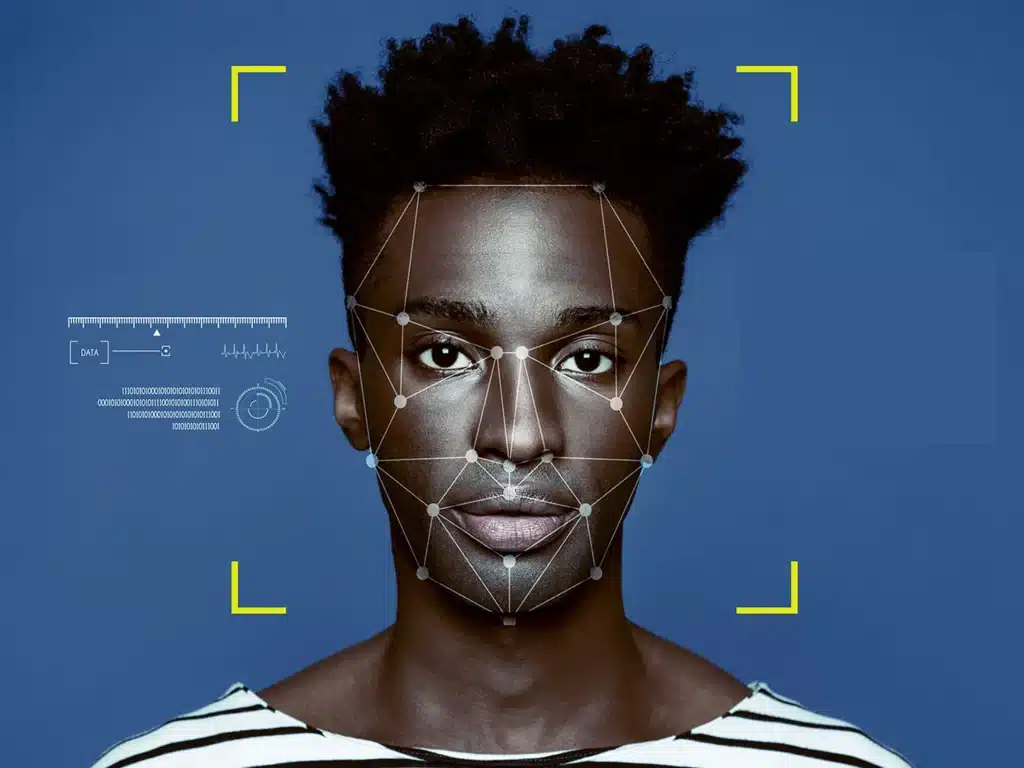
This fall, if the Kansas City Area Transportation Authority gets its way, every one of them will have their face scanned by an artificial intelligence system the moment they board, and run against a watchlist before they reach their stop.
What Kansas City is building, just months or years ago we likely would have described as dystopian.
Our city is now the epicenter of a national experiment in mass biometric surveillance. No American transit agency has aimed live facial recognition at every rider who boards a public bus.
Kansas City wants to be the first, and that is exactly why the rest of the country is watching.
“The idea of running face recognition on a camera that is pointed on live spaces in public is a line that until recently has never really been crossed in the last 25 years,” – Jay Stanley, senior policy analyst at the American Civil Liberties Union, told the Associated Press
The World Cup Was the Excuse for Scanning Riders’ Faces
KCATA tried this once already. It told the public the cameras were about the World Cup, about finding missing people and stopping trafficking during a tournament that draws the whole world to the city. As we know, the tournament is here right now, the matches are being played this month, and the cameras are not on the buses.
The reason the agency gave the public (that it is needed for the World Cup) will be over before the cameras go up, yet, KCATA wants to return in the fall with the program more than three times its original size, up to thirty buses. When the program was first announced, the KCATA Board of Commissioners was informed at a finance committee meeting, rather than a public board vote.
Yet, as problematic as this is, it isn’t even the most damning element.
The system has been developed with a company called SafeSpace Global, based in Knoxville, Tennessee. SafeSpace is a penny stock, traded on the OTC Pink market, a lower-tier exchange that operates outside the major exchanges like the NYSE and Nasdaq, under the ticker SSGC, rebranded last year from a company called Healthcare Integrated Technologies.
It got its start putting fall-detection cameras in nursing homes, then pushed into schools, prisons, and now transit, and it has been open about the strategy.
Kansas City’s buses would be the company’s first transportation deployment anywhere in the country, using our riders as the proof of concept.
A CEO Who Presided Over a Securities Fraud
The man at the top of SafeSpace is its founder and CEO, Scott Boruff. Before SafeSpace, Boruff ran an oil and gas company called Miller Energy Resources, and his own promotional bio still brags about what he did there. He took the stock from ten cents to nearly nine dollars, he says, and built the company to more than $850 million in enterprise value.
“We are intrigued to see if it even works.” – Tyler Means, KCATA chief strategy officer, on putting facial recognition on the buses
Here is what Boruff’s bio leaves out. The Securities and Exchange Commission later found that the value was a fiction. Miller Energy had acquired a package of Alaska oil and gas assets for a few million dollars and carried them on its books as worth nearly half a billion. The SEC brought a case over the accounting and reporting fraud, and a federal fund is still working to compensate the investors who were harmed. Miller Energy went bankrupt in 2015. The company was fined $5 million. Its chief financial officer and chief operating officer were each personally fined. Boruff, the CEO who according to investigative reporting oversaw the fraudulent activity, walked away without a personal SEC fine.
This is the company Kansas City has chosen to scan the faces of its poorest riders.
The Company That May Not Survive the Contract
There is something else that KCATA is not telling riders, and it comes straight from SafeSpace’s own filings with the federal government. The company that wants to hold five years of riders’ face data may not be around to hold it.
In its most recent quarterly report, covering the nine months that ended April 30, 2026, SafeSpace reported a net loss of about $6.2 million and an accumulated deficit of roughly $23.7 million. In the same filing, the company stated that recurring losses and negative cash flow raise substantial doubt about its ability to continue as a going concern.
What SafeSpace Told the SEC
$11,258
Revenue in the quarter that ended April 30, 2026
$6.2 million
Net loss over the nine months that ended April 30, 2026
Going concern
The company’s own filing language for substantial doubt that it can stay in business
It is also barely selling anything. In that quarter, SafeSpace took in $11,258 in revenue while losing three and a half million dollars. Its own filings describe the stock as a penny stock that may be hard to sell, and its shareholders recently approved increasing authorized shares by half, along with thirty million shares of blank check preferred, the kind of maneuver a company makes when it is staying alive by printing stock.
Set that against Boruff’s history and the picture sharpens. His last public company inflated its value, then went bankrupt and wiped out the people who believed in it. Now he runs a company that has formally warned it may not last the year, and Kansas City wants to give it the biometric records of our tens of thousands of community members, held for five years on KCATA’s servers.
If SafeSpace fails the way Miller Energy failed, who would control those face prints, or where they go?
The official leading the project is apparently not troubled by any of this. Tyler Means, KCATA’s chief strategy officer, told KCUR the agency is “intrigued to see if it even works,” and predicted that as the technology becomes more commonplace, the concerns “will go away.”
So put more clearly, KCATA does not know whether the system “works,” it has chosen a vendor that has warned it may not survive, and it is counting on the public getting used to being watched.
The money tells the same story. The State of Missouri rejected funding the program specifically over the facial recognition and civil liberties concerns.
A federal Department of Justice grant meant to fund the World Cup rollout got stranded in the government shutdown . So the stated reason is gone, the state said no on the merits, and KCATA’s response is to revive the plan with local and federal dollars and put it on more buses than before.
The Bus Was Free. Now It Costs, and It Watches
For six years, our bus was free and gained national attention. We were one of the only major cities in the country to drop fares entirely, and for thousands of riders it was the difference between getting to work and getting left behind.
That ended on June 1, 2026 (just before the World Cup). Riders who had boarded for free since 2020 now pay two dollars, and they cannot pay it the way working people have always paid for the bus. Cash is no longer accepted on board. You need a smartphone app or a bank card to ride, and if you have neither, you are told to travel downtown during business hours to load a pass in person, because the option to buy one with cash at a library or store will not arrive until the fall at the earliest.
The agency brought back fares and went cashless in the same stroke.
“Not acknowledging the hardship of implementing both simultaneously without adequate resources and supports for seniors and folks without sufficient banking or technological skills for tap-to-pay is honestly inexcusable,” -Alana Henry, executive director of the Ivanhoe Neighborhood Association.
Another community member said it plainly online: “What are people with no access to technology or digital banking supposed to do?”
This is the same agency that spent years telling the public it had no money to keep the buses free. It found the money the same year to put cameras on those buses that scan riders’ faces.
The two decisions came from different offices and different budgets. But they happen to the same people, on the same buses, in the same year.
An institution that cannot afford to let a disabled rider keep riding finds the money, the staff, and the will to watch that rider’s face on the way to work. The bus stops being a service the city provides and becomes a checkpoint you pay to enter, if you can find a way to pay at all.
The Riders Facial Recognition Fails Most Often
Kansas City transit runs on chronic underfunding and decades of fights with area leaders, which means service is slow and spotty and many riders are on the bus because they have no other way to get where they are going. They are disproportionately Black, disproportionately poor, and they are the ones the research says this technology fails most often.
The National Institute of Standards and Technology found that facial recognition algorithms misidentify Black faces, and Black women in particular, at far higher rates than white faces. Adam Schwartz of the Electronic Frontier Foundation notes that the technology has already produced more than a dozen wrongful arrests in this country. A false match here could result in a private security and armed police officers responding to a face the machine got wrong.
One person on the KCATA board is saying no. Commissioner Johnathan Duncan, a city council member, has said he will fight to make sure the cameras are never installed, and warned that an agency already short on the public’s trust cannot afford to treat its riders like suspects.
He is right, and he should not have to fight it alone. The buses belong to the people who ride them. Before a single face is scanned on Prospect or Troost, Kansas City deserves to know that this technology was sold to it by a penny stock, tested on its Black riders, and fronted by a man whose last public company collapsed in fraud.
The Kansas City Defender is continuing to report on this. If you ride these routes and want your voice in what comes next, reach out.
While the World Watches is The Kansas City Defender’s ongoing investigation into what the 2026 World Cup is building in its host cities: the jails, the surveillance, and the displacement the spectacle was designed to keep out of frame. This project was completed with the support of a grant from Columbia University’s Ira A. Lipman Center for Journalism and Civil and Human Rights in conjunction with Arnold Ventures.
Author

Related Articles
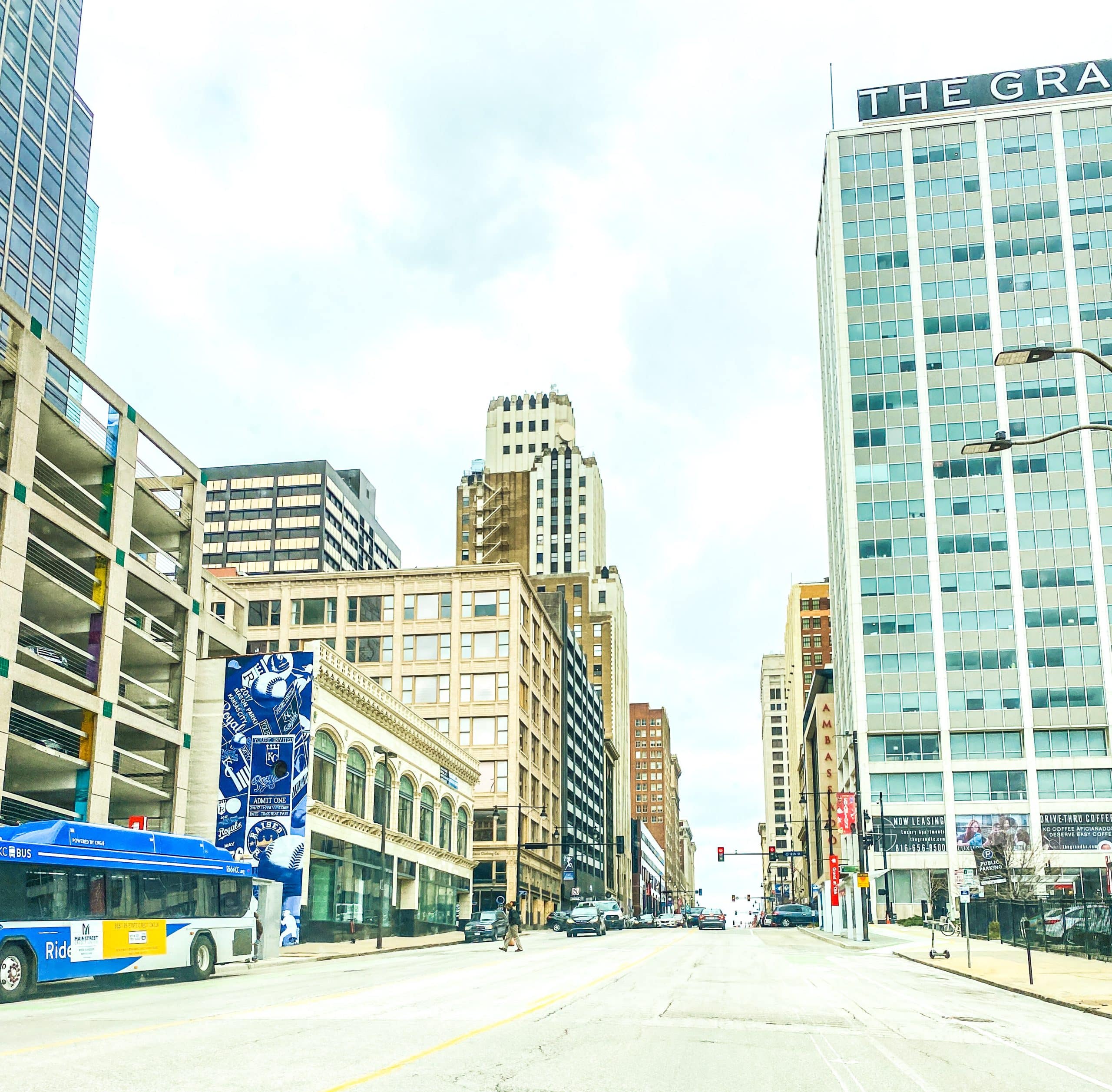
While Cutting Buses for the Poor, KCATA Signed a Secret Deal to Harvest Their Faces for a Private Company’s AI
A secret contract. No policy protecting riders’ data. The Defender obtained the deal KCATA signed to harvest bus riders’ faces for AI.
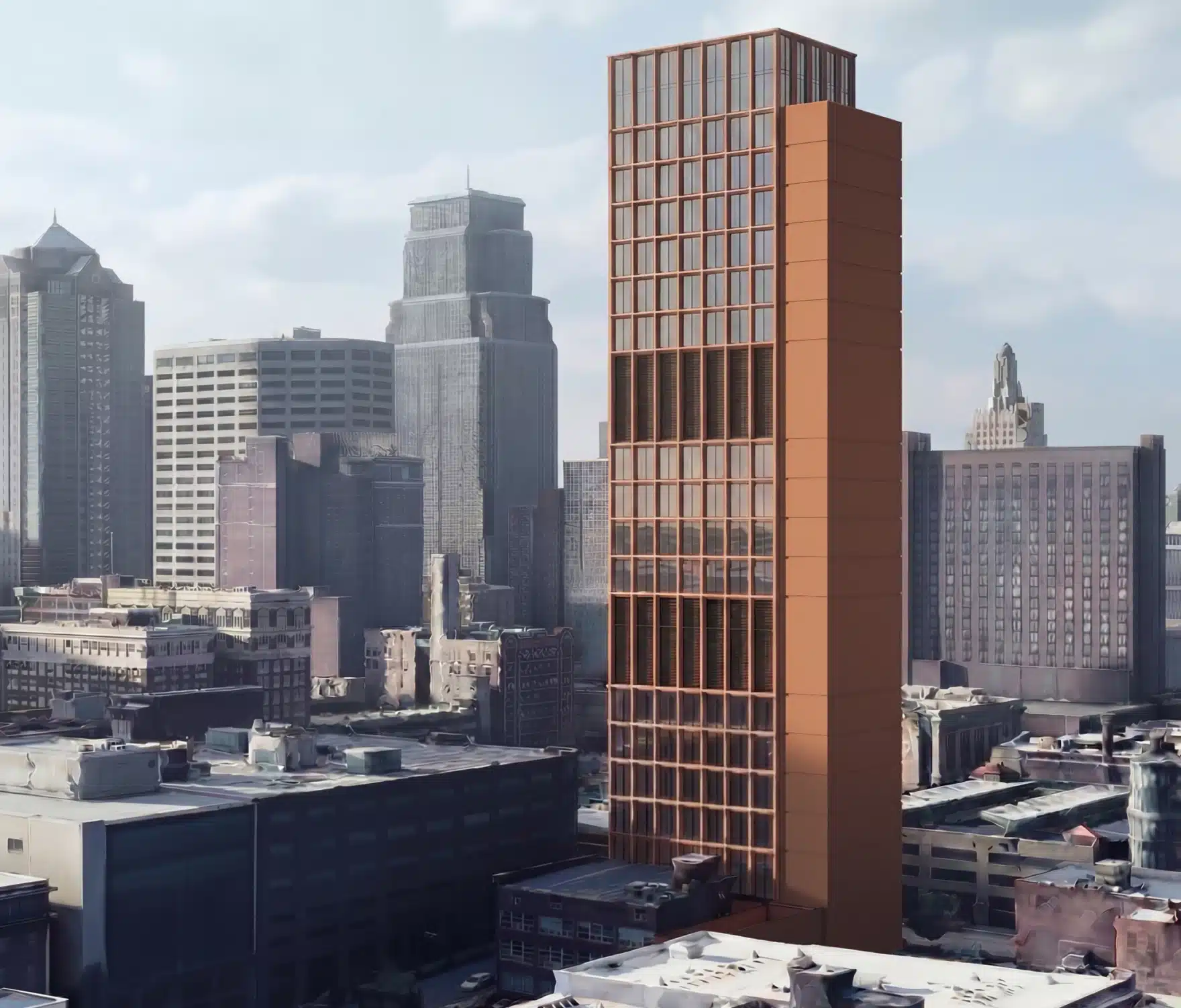
Kansas City Killed the Data Center. The Tax Scheme It Was Feeding Is Still Alive
A Miami fund bought a 126-year-old downtown building, quietly signed away the right to demolish it, then asked Kansas City for permission to demolish it anyway and build a 20-story data center. A leading legal scholar reviewed the paperwork The Defender obtained and called it by its name. This week, Kansas City said no.
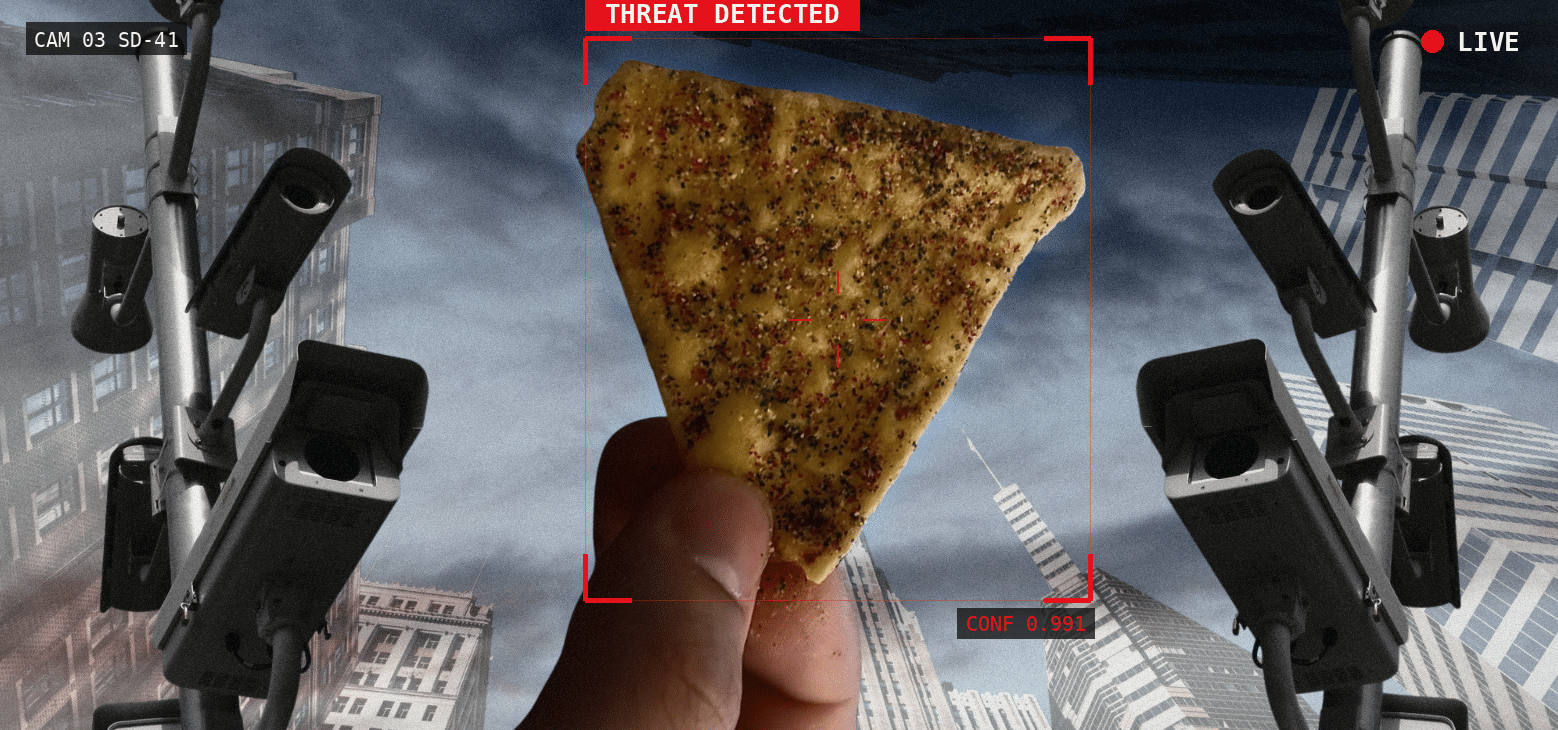
Eight Police Cars Swarm a Black Teen, Guns Drawn, Over a Bag of Chips. The AI That Called Them Is Coming to Schools Nationwide
From Baltimore to Kansas, states are pouring millions into militarized surveillance software for schools. An investigation into the AI that sent armed police after a Black teen holding a bag of Doritos.