The Dispatch Challenge: What Young Black Kansas City Had to Say
We asked Black high schoolers in Kansas City one question and paid them to answer it on their phones. Dozens did, most from Hogan and East. Here is what happened
Youth media / The Dispatch Challenge
The Dispatch Challenge: What Young Black Kansas City Had to Say
We asked Black high schoolers one question and paid them to answer it on their phones. Dozens did, and most of them came from the two schools this city writes off first.
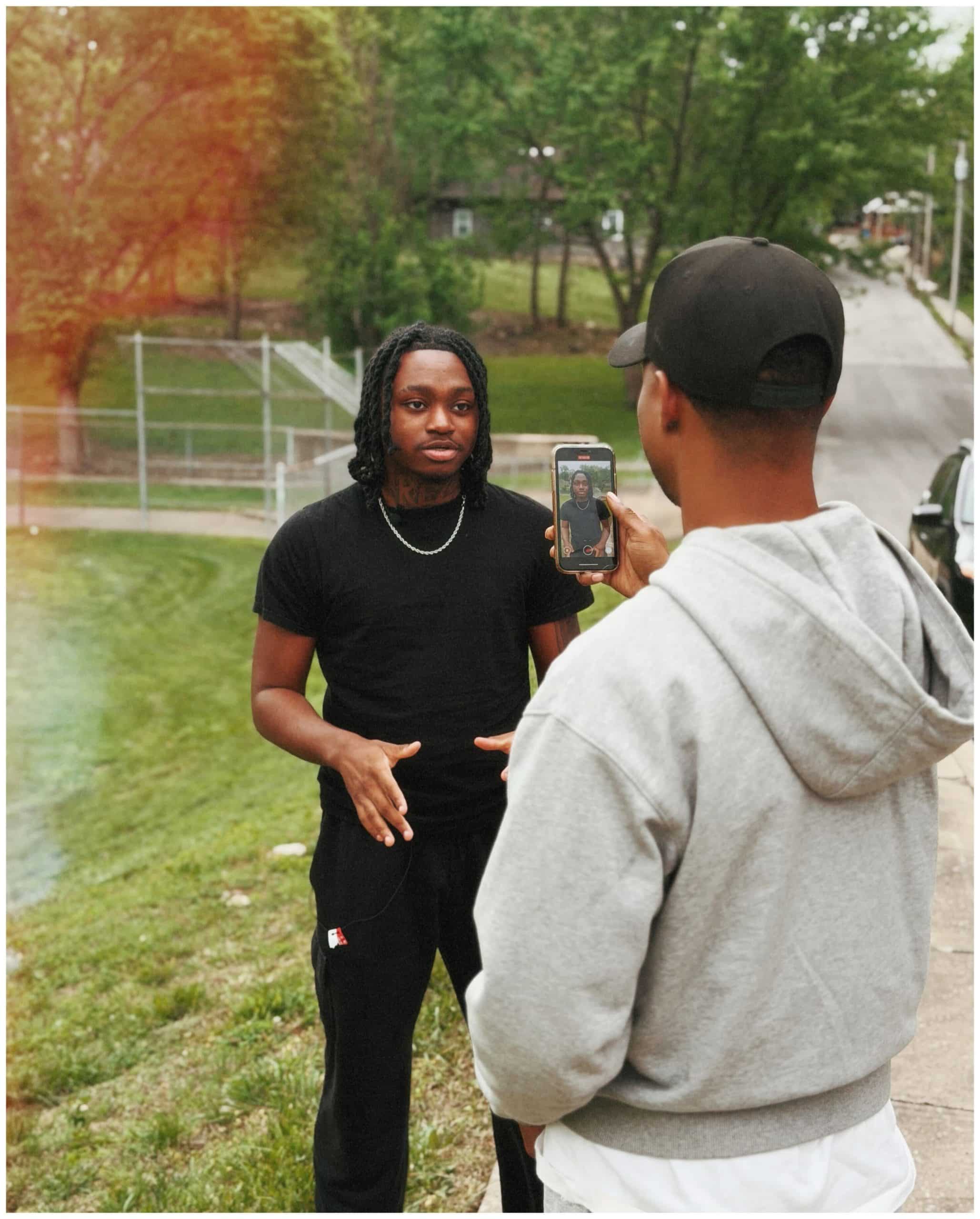
We gave our young people one sentence
In 60 seconds or more, tell us what people get wrong about being young and Black in Kansas City.
That was the whole assignment. They didn’t have to have a script or studio or essay, simply a phone, their face, and the truth as a Black teenager lives it.
We called it the Defender Dispatch Challenge.
The entries came in through email and Instagram DMs over the late spring and summer. Some students stood in front of their schools. Some sat on their beds. One kid set up a desk and read the news back to us, with his neighborhood as the lead story and his classmates as the sources. Another turned in a short documentary. Several edited their footage like a newscast, with cutaways they had taught themselves on free apps. Every one of them was shot on a phone.
The gap we needed to close
The Kansas City Defender has spent five years building a Black press that young adults in this city trust. On Instagram especially, our audience now lives between 20 and 40. They share our investigations, they show up to our events and fund our work. What we didn’t have was a real relationship with the “street-adjacent” 14 to 18 year olds, or some who are actively involved in street-life, who sit at the center of the stories that corporate (mostly white) media tell about them in a criminalizing way.
These are the young people the local news often describe as suspects and statistics. Many have watched a cousin or a classmate become a headline. They do not trust media, and often rightfully so. We could not reach them by posting harder, we knew we needed a bridge, and we needed a prize worth their time.
The API-Knight Youth Engagement Fund gave us the room to experiment. Four thousand dollars, three months, and a cohort of newsrooms all wrestling with the same question of how a local outlet earns the trust of people younger than its reporters. We are putting $1,650 of it directly into students’ pockets, with $1,000 for first place, $500 for second and $150 for third.


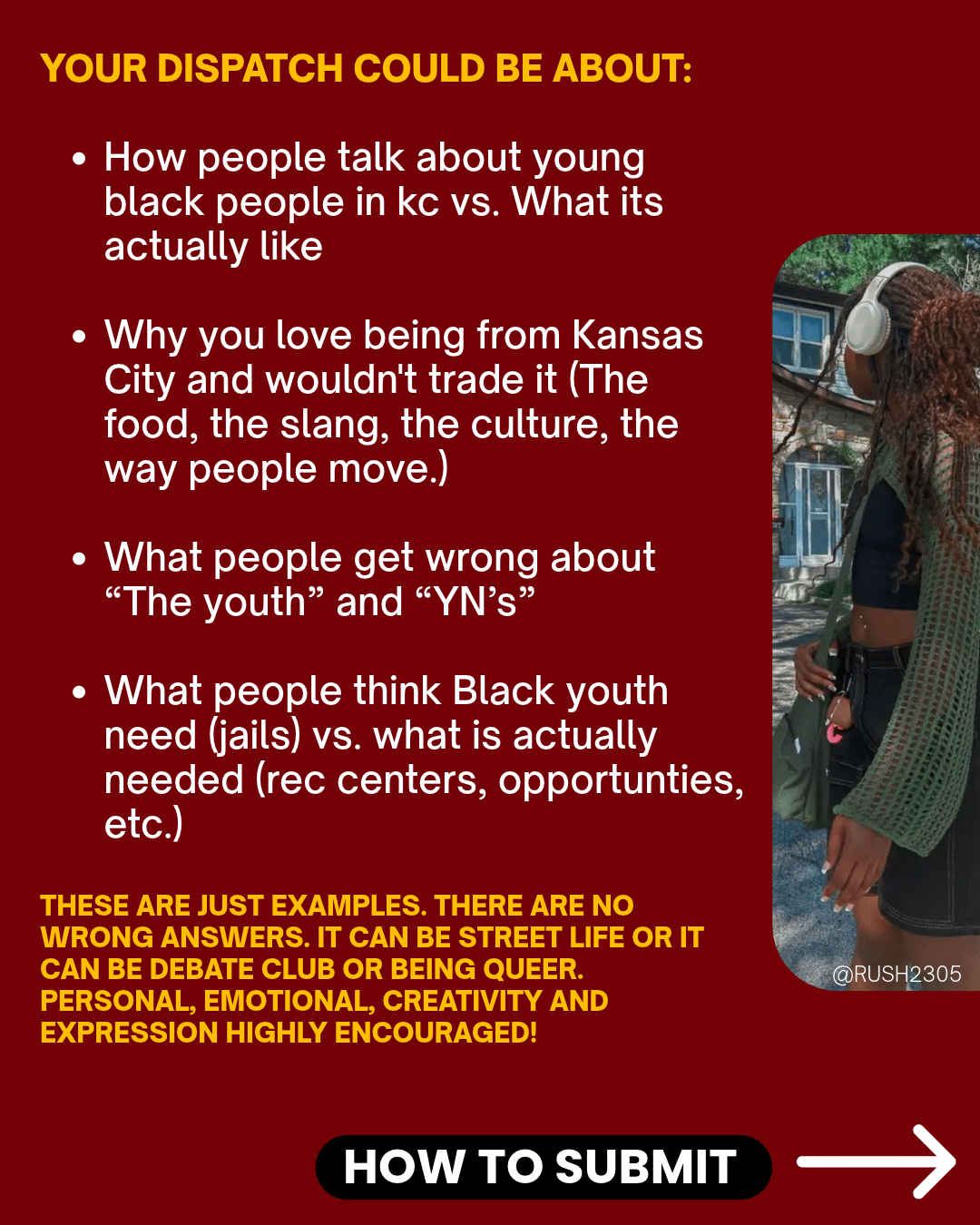


Rez
Lul Rez is a Kansas City content creator who rose to prominence making street-style documentaries, sitting down sometimes even with active street involved youth, and giving them a vulnerable space to tell their own stories. His audience is the audience we were missing. Teenagers who are dehumanized in the media and would never trust a reporter trust Rez, because he is their peer, because his platform is positive, and because he pulls up in person. He is one of the first creators of his kind to reach this level of prominence in Kansas City, and he carries real credibility.
We had been in conversation with Rez for a while before this. He wanted to work with the Defender for reasons that mattered to us. He had watched our impact in the Black community, he respected that we understand politics and use our platform with intelligence, and he saw us as a bold and trusted voice. He reaches the young people we cannot. We carry the depth, the investigations and the institutional weight that he wants his audience to have access to.
So Rez became the official ambassador of the Dispatch Challenge. He shot a video in his own style, on a sidewalk in a Defender shirt, and opened it like this.
Then he laid out the prompt and the prizes the way he would tell a friend, and promised to drop the flyer in the comments so students would know how to submit and, in his words, “win that bread.”
That single Reel reached more than 83,000 views and drew 4,659 interactions, and nearly three quarters of the people who saw it were not following us yet. Together with our own promotional posts the campaign reached nearly 100,000 people.
The comments under it tell the rest of the story. A grandmother wrote that she was so proud of her grandson. A woman offered to buy a tripod for any student who needed one. A man wrote that this is the kind of content that needs to catch on. A student replied, weeks later, that she had written a speech and was making a short film. Another tagged Rez to say she had already submitted.
Hogan and East
The entries came from across the metro, but the heart of the submissions came from two schools in particular, Hogan Preparatory Academy and East High School. These are two of the most under-resourced, most criminalized high schools in the Kansas City area, and both are nearly all Black. When the corporate media talks about these schools, they frequently talk about test scores and fights and police. They don’t talk about what the students there see, or what they dream.
Rez and our outreach lead JT went into the buildings. They stood in front of classrooms and hallways and told students, plainly, that their voices were worth a thousand dollars and worth being published, and that nobody was going to clean up their footage or correct their accent before it ran. Dozens of students submitted.
What they filed
Stills from six of the dispatches. Every one shot on a phone.
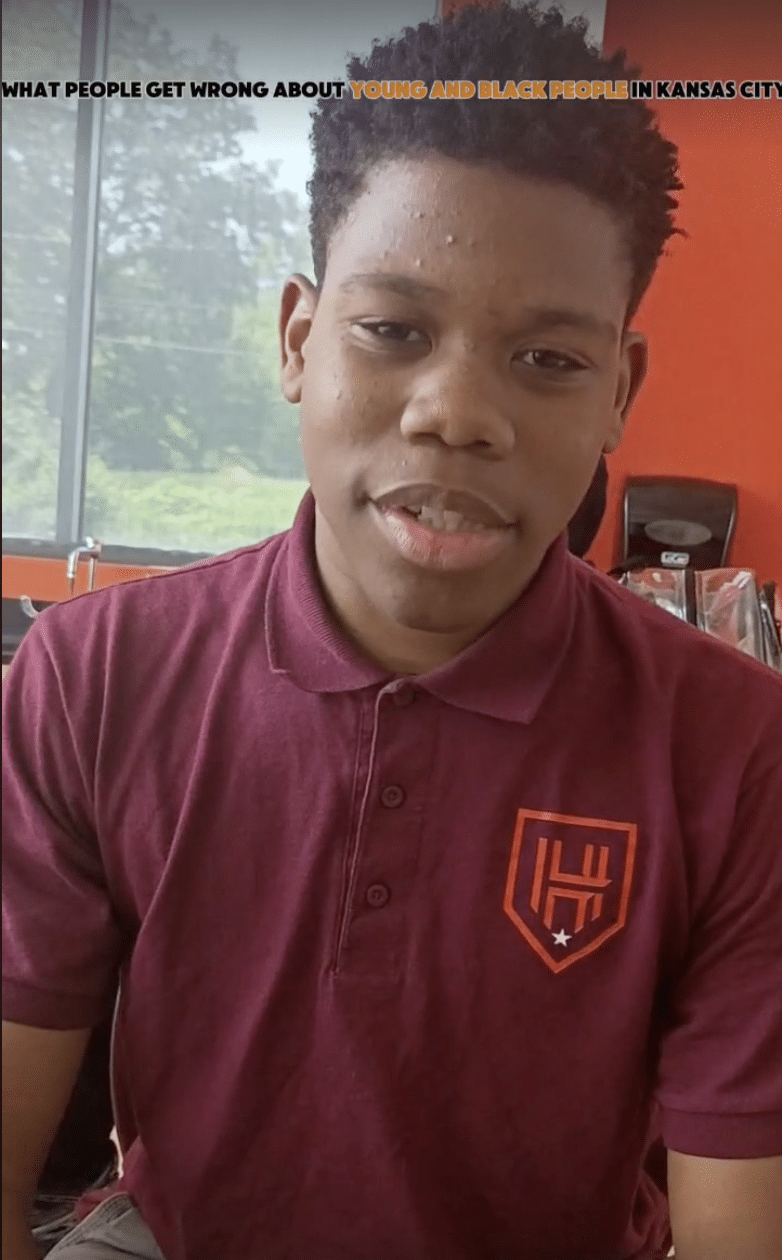
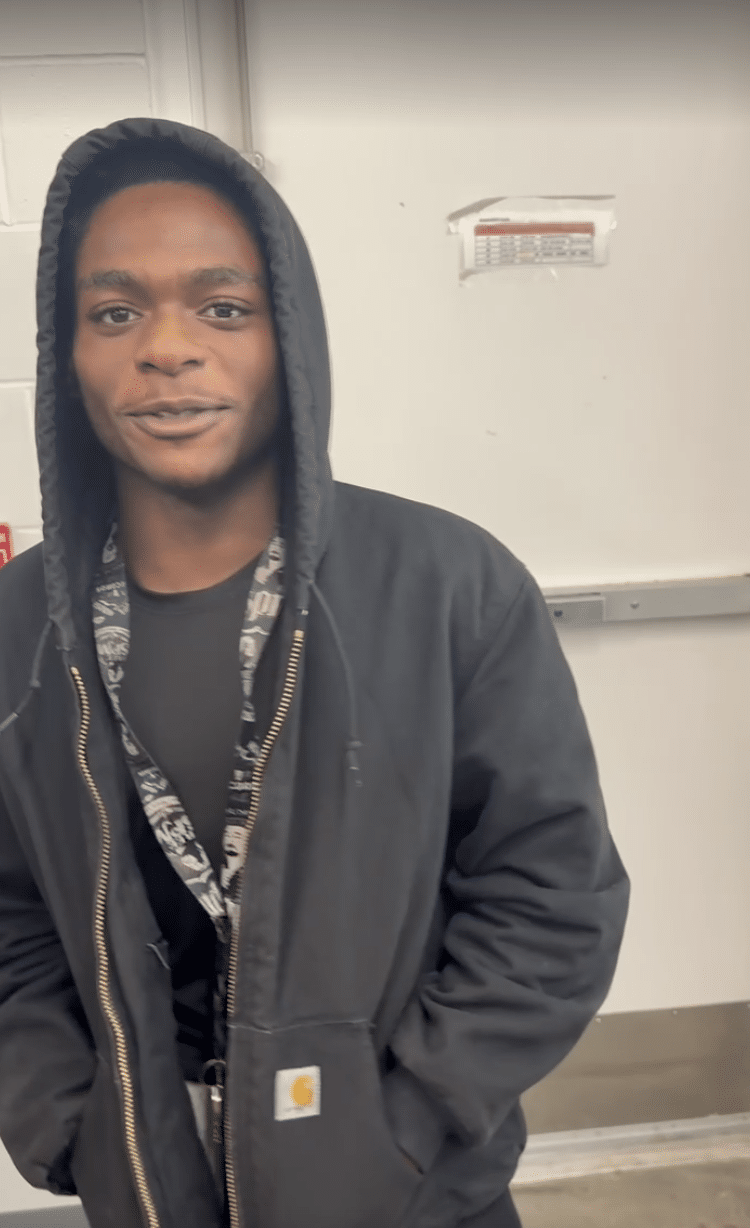
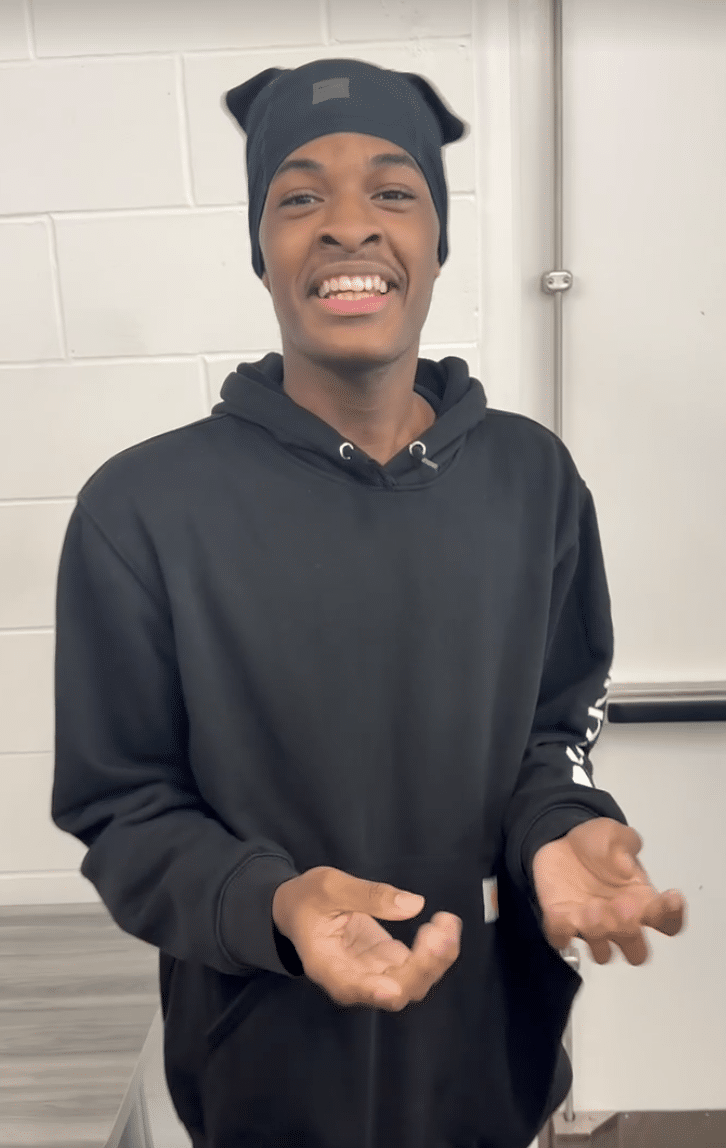
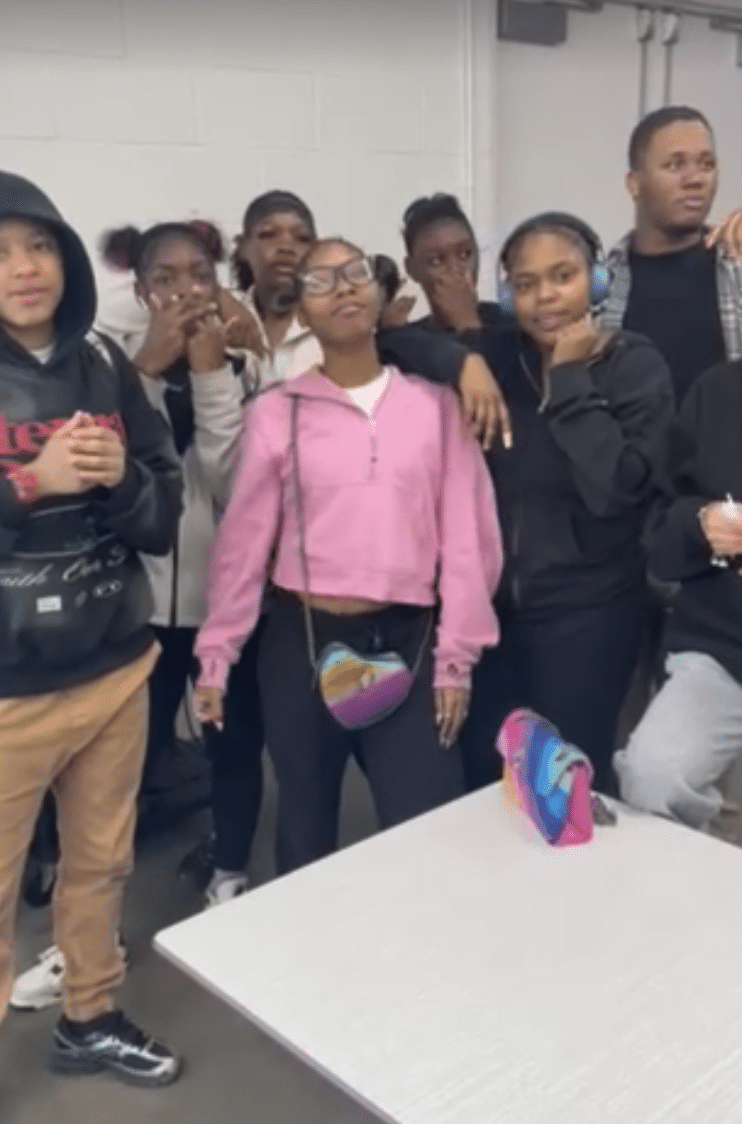
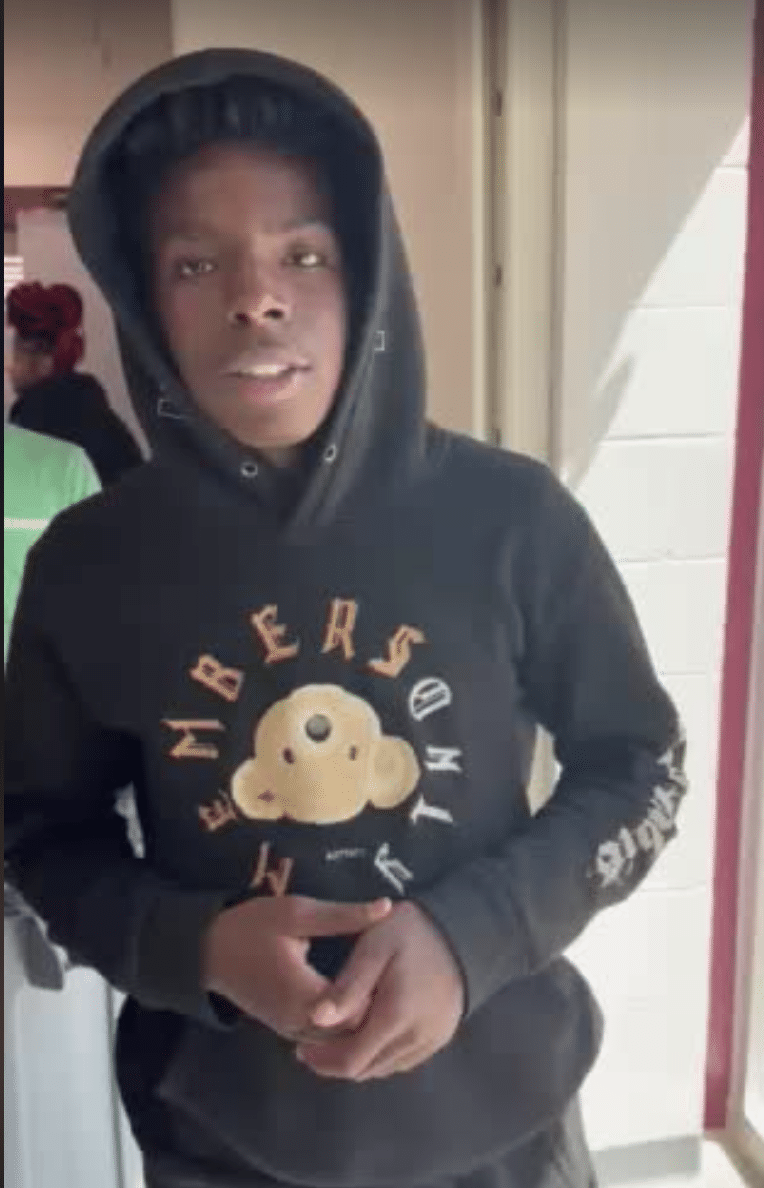
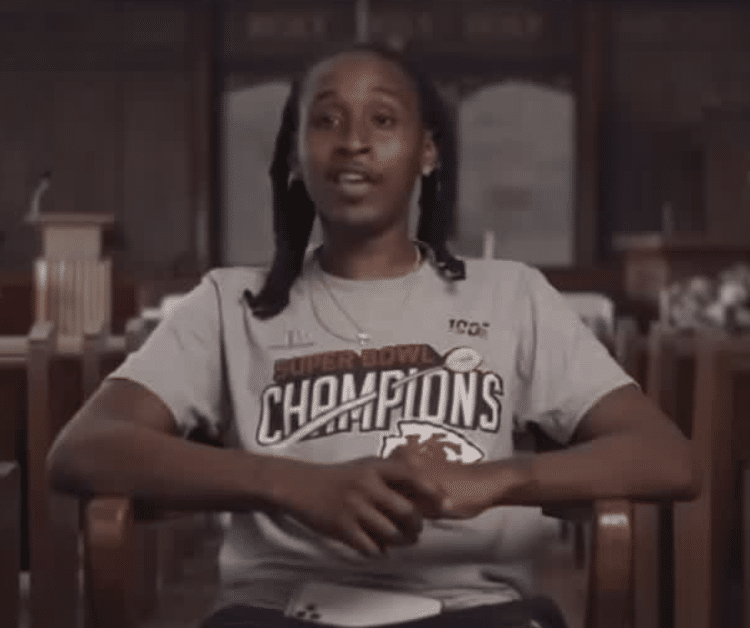
Some presented themselves as newscasters, desk and all. Some spoke straight into the camera without blinking. One submitted a mini-documentary. Every single video was made on a phone.
We selected three winners and are paying every one of them. We will be publishing their names, grades and schools in a later post.
The Dispatch is not ending. In early 2027 we are expanding our high school media programming built on everything this challenge taught us, with media-making and civics workshops inside the schools and student listening sessions that will feed directly into our reporting.
Who made this possible
The Defender Dispatch Challenge was funded by the API-Knight Youth Engagement Fund, a program of the American Press Institute and the John S. and James L. Knight Foundation that supports local newsrooms experimenting with ways to build trust across generations. We are grateful for a funder willing to back a Black newsroom handing the camera to the teenagers this city has written off.
Thank you to Lul Rez for lending his platform and his credibility, to Joshua Taylor (Jay T) on our team who helped lead the coordination and spent the hours in school buildings, to the teachers and staff at Hogan Preparatory Academy and East High School who opened their doors, and to every student who pressed record. You told us what people get wrong. We are listening, and we are going to keep listening.
The winning videos will be published on kansascitydefender.com and across our social platforms in the coming weeks.
The Kansas City Defender is a Black-led, award-winning, independent nonprofit newsroom. Support youth media at kansascitydefender.com/support.
Author

Related Articles
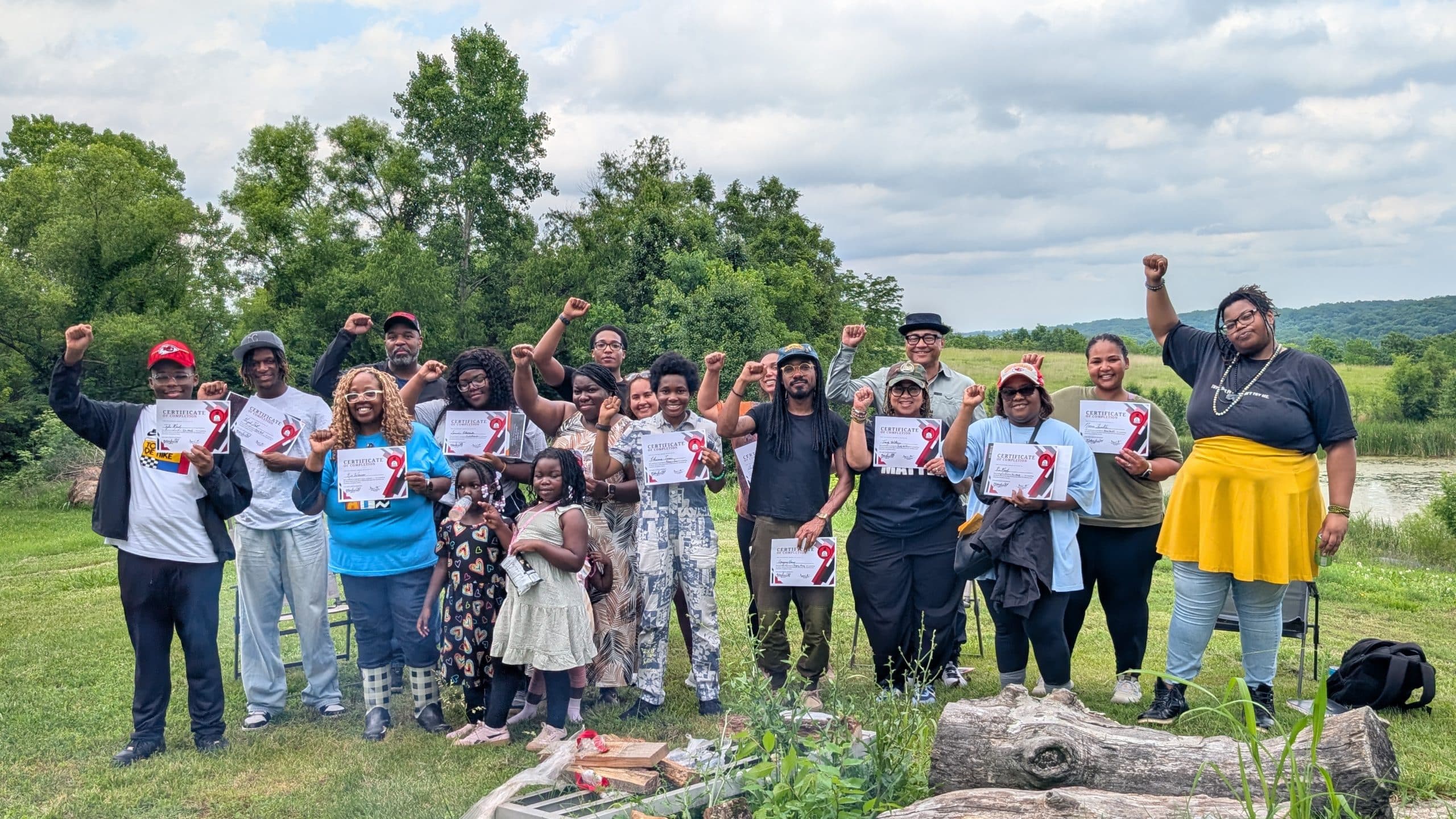
Kansas City’s Black Abolitionist Freedom School Is Working, and It Just Graduated a New Class of Organizers
B-REAL Academy, the only abolitionist freedom school of its kind in the region, just graduated its third cohort, the largest and youngest yet. In one year since its launch it has held students from ten to eighty-one in the same room, in a city that is emerging as a new national organizing hub.
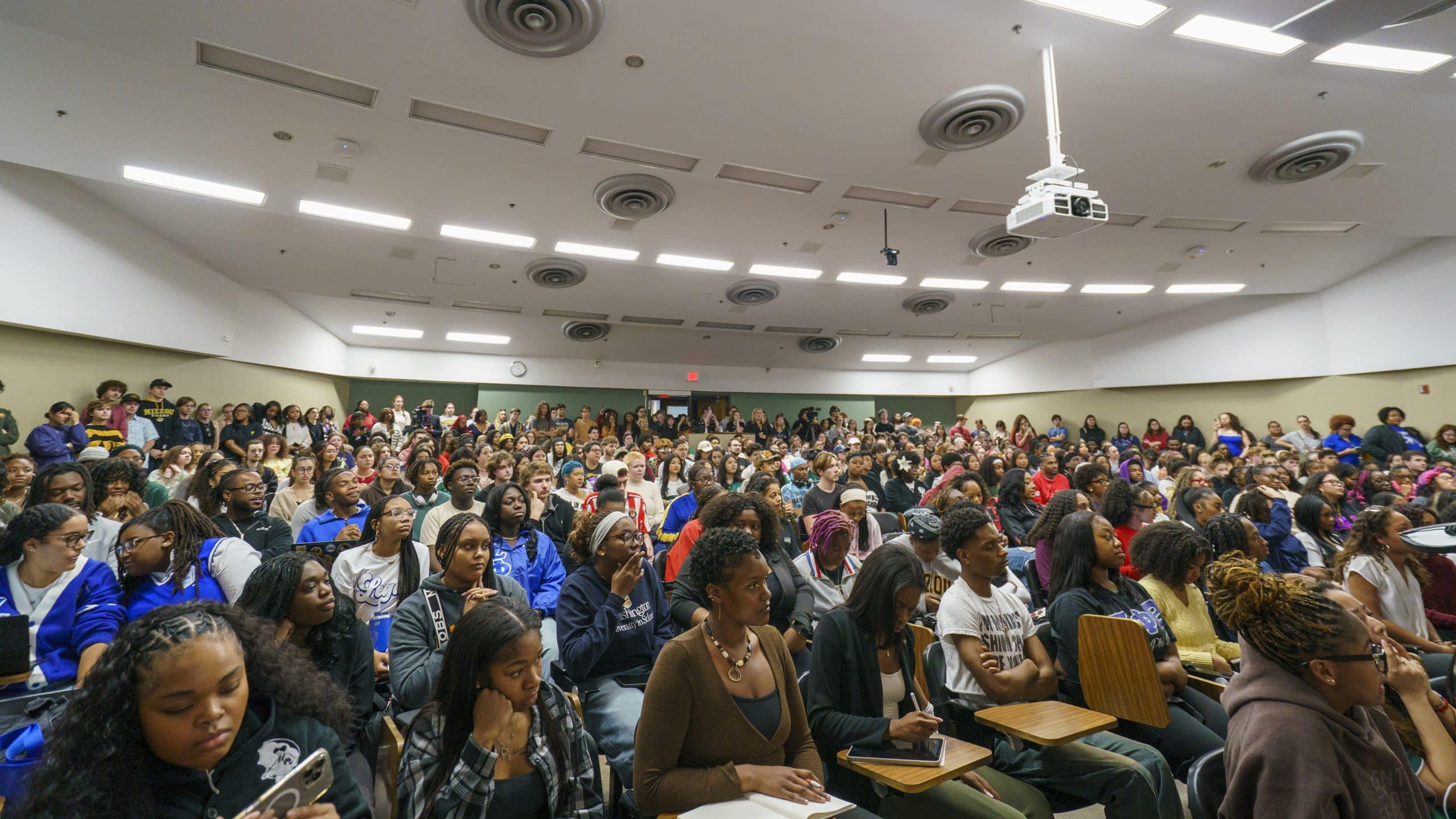
Mizzou Protected a Student Who Joked About Killing Black People. Then It Defunded the Only Black Student Government in America.
On Monday night, students packed every seat in the Schlundt Hall auditorium and lined the walls. More than a thousand watched on a livestream. They’ve toppled a Mizzou president before. They can do it again.
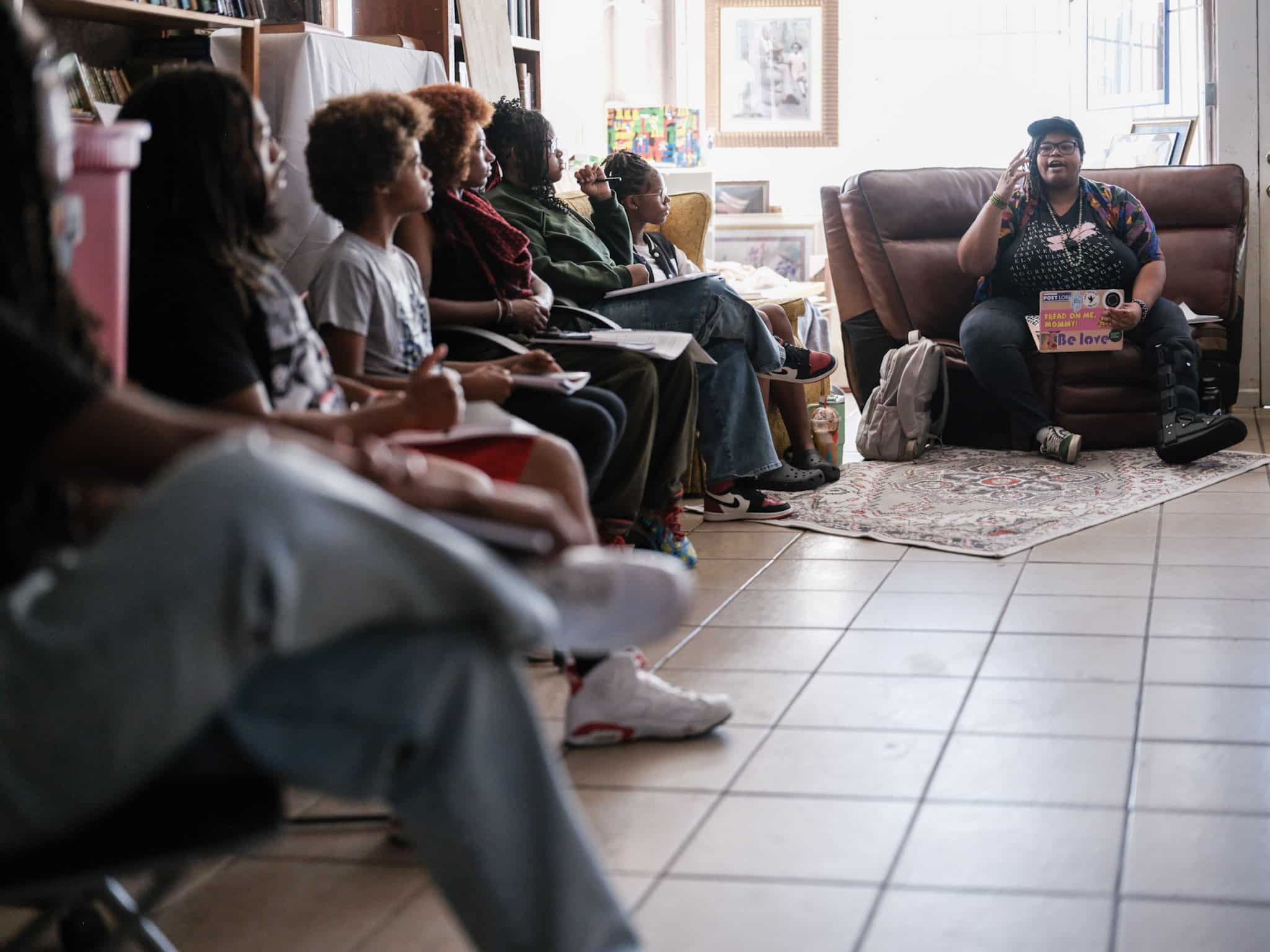
The Defender’s Abolitionist Freedom School Is Back — Cohort 3 Applications Now Open
The Defender’s Abolitionist Freedom School is accepting applications for Cohort 3. The 14-week organizer, activist & Black study training program for Black people across Missouri and Kansas launches this spring. Applications close February 21st.