Kansas Citians and voters across the state are gearing up for the upcoming general municipal election on April 8. Voters will decide on ballot measures ranging from a proposed public safety sales tax that threatens to extract $500 million from Kansas City over the next 20 years to fund a new city jail to a Kansas City Public School bond measure that would issue $474 million for school building repairs and maintenance.
Kansas Citizens will also vote in the KCPS board election. This at-large race features incumbent Tanesha Ford and challenger Joseph Nelson. Rita Cortés and Kelly Thompson will vie for voters in Sub-district 1, while Bruce Beatty and Brittany Foley will face off in Sub-district 5. Tricia McGhee is running unopposed in Sub-district 3.
Meet Your Candidates
Click the name of each candidate to read their bio.
Please note: Candidates Joseph Nelson, Tricia McGhee, and Bruce Beatty did not respond to The Defenders request to participant in this questionnaire.
Tanesha Ford (Incumbent: At-Large)

Tanesha Nooner Ford is a nonprofit executive who has spent her career assisting young people in pursuit of higher education. She is a Kansas City native, a former Kansas City Public Schools student, and the mother of two KCPS students.
She currently serves as vice chair of the KCPS board and chair of its finance committee. Ford is a member of Zeta Phi Beta Sorority, Incorporated (Psi Kappa Zeta Chapter) and the Jackson County (MO) Chapter of The Links, Incorporated. In 2018, she was named to Ingram’s 40 Under Forty list.
Tanesha is a proud marathoner, having completed her first race in 2020. Of all her commitments, her most important priority and greatest joy is being a wife to her husband, David, and a mother to her son, Dawson, and daughter, Harper. She says she hopes to build on what she describes as positive progress made by the KCPS board during her tenure.
Rita Cortés (Incumbent: Sub-district 1)
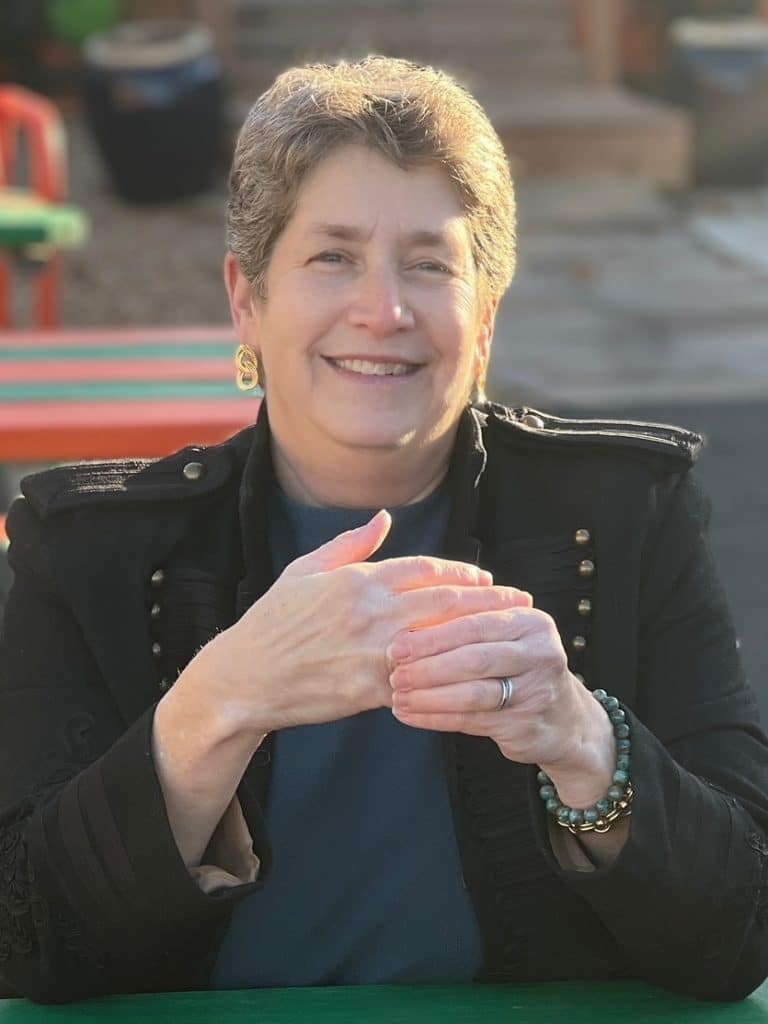
Rita Cortés has served on the Kansas City Public Schools board since 2019 and is the current board president. She has a background in law, commercial construction, and nonprofit leadership. During her tenure, the district has seen changes such as academic performance gains, increased graduation rates, and expanded opportunities for students.
Cortés says her focus is on student success, fiscal responsibility, and improving communities through service.
Key Issue: Ensuring KCPS continues its progress towards being a high-quality, community-driven school district by focusing on continued student academic growth, expanding real-world learning opportunities and centering equity in every decision.
Kelly Thompson (Sub-district 1)

Kelly Thompson is a parent, tech executive, and longtime Kansas City resident running for the Kansas City Public Schools board of education. She has a background in journalism, human-centered design, and organizational leadership and has worked on developing solutions to complex systems challenges.
Thompson is a public school parent and says her priorities include centering families, improving transparency, and advocating for equity within KCPS.
Key Issue: Launching centralized family support hubs within KCPS to make communication and support more accessible, consistent, and compassionate.
Brittany Foley (Sub-district 5)

Brittany D. Foley is a public defense worker and candidate for the 5th District seat on the Kansas City Public Schools board. A resident of the Blue Hills neighborhood, she became more engaged in education advocacy after Troost Elementary, the school her son attended, closed. She says the experience shaped her commitment to expanding access to stable, high-quality education.
Foley is pursuing a master’s degree in social work and holds a degree in environmental science with a minor in African American studies from Huston-Tillotson University, a historically Black university in Austin, Texas. She serves as chair of the KCPS District Advisory Board, sits on the Blue Hills Neighborhood Association Board, and volunteers with organizations, including Single Mom KC and the Kansas City Defenders Mutual Aid Program.
Foley says she is running to support student equity, young parents, and policies that keep Kansas City’s schools open and families supported.
The Defender Questionnaire
In preparation for the board election coverage, The Kansas City Defender sent a list of questions to each candidate. We hope this will offer readers a glimpse into the perspectives and opinions driving this pivotal race for the future of education in Kansas City.
The following (6) questions were sent to all candidates.
Click each person's name to view their response.
Question 1: On a scale of 1 to 5, with 1 being the lowest and 5 being the highest, how would you rate the effectiveness of current community engagement efforts within KCPS? If high, how do you maintain the effectiveness? If low, how do you plan to improve it?
Tanesha Ford
Rating: 3.5
When elected in 2021, I was critical of KCPS’s engagement efforts and have consistently pushed for improvement throughout my tenure. Over the past four years, KCPS has made significant strides in improving communication and partnerships with families and community stakeholders. This includes expanded outreach through multilingual communication, increased transparency in decision-making by sharing updates about district-wide matters at Board Meetings, and strengthened collaboration with neighborhood associations and advocacy groups.
click here to read Ford’s full response to question 1
The district has specifically implemented Family and Community Engagement (FACE) liaisons in each school, introduced platforms like Talking Points, and increased phone, email, and school/district newsletters to amplify communication. However, there is always room for growth. To maintain and improve effectiveness, I would advocate for more intentional outreach to historically underrepresented communities, expanded participatory decision-making opportunities when appropriate, and leveraging technology for broader engagement. I would also recommend more proactive, frequent, and ongoing engagement with families and the broader community and advocate for consistent engagement efforts from school to school. If re-elected, I am specifically interested in improving Board and Community engagement by hosting regular “World Cafe” listening sessions. This will allow space for Board Members to connect with the community, share updates, and gather feedback.
Rita Cortés
Rating: 3.5
KCPS has invested significant time and resources in improved parent and community engagement, and we know there is more work to do here. We’ve expanded direct communication channels with families, increased language access, held more community meetings, sought extensive community engagement in the creation of our strategic plan (Blueprint 2030) and the 10-year capital plan that underpins the Bond initiative, added Family and Community Engagement (FACE) liaisons at our schools and much more.
click here to read Cortés’s full response to question 1
However, true engagement isn’t just outreach—it’s listening, reflecting, and acting on what families and educators share and ensuring barriers experienced by members of our community that preclude participation in such engagement efforts are actively addressed. Meeting our community where they are, in so many dimensions, remains a work in process. To continue improving, I’ll ensure that participation leads to impact—families need to see that their input leads to their student’s success and meaningful evolution of how KCPS serves our community.
Kelly Thompson
KCPS has talented, deeply committed people doing community engagement work—especially our family engagement liaisons—but their efforts are often under-resourced, inconsistently implemented across schools, and not tied to clear outcomes. Families, particularly those from marginalized communities, still feel disconnected and unheard.
click here to read Thompson’s full response to question 1
We need to stop treating family engagement like an add-on and start treating it like a core strategy for academic success. I want to see centralized, multilingual support hubs, customer-service style training for school staff, and data collection to track what families are asking for—and how we’re responding. We should be meeting people where they are, not expecting them to navigate a complex system alone.
Brittany Foley
Rating: 2
There is still significant broken trust between KCPS, the neighborhoods our schools serve, and the broader community. To improve this, I plan to take tangible action by regularly attending neighborhood association meetings to ensure direct engagement with the communities impacted by KCPS decisions when possible. I will also continue attending KCPS DAC General Meetings to support and sustain the school tour initiative, ensuring it remains strong even after my tenure.
click here to read Foley’s full response to question 1
Additionally, I will advocate for improved language access funding so that all families, regardless of their primary language, can meaningfully engage with our schools. We must be proactive, not reactive, and always open to honest feedback from those we serve. Rebuilding trust starts with listening, showing up, and taking real action.
Question 2: How would you best describe your approach to addressing disparities in academic achievement among student subgroups in KCPS?
Tanesha Ford
My approach is rooted in equity-driven policy and data-informed decision-making. Addressing academic disparities requires targeted interventions such as expanding early literacy programs, increasing access to advanced coursework, and ensuring wraparound services that support students’ holistic needs. During my tenure, the district has made key investments in resources like high-dosage tutoring, teacher training in LTRS and NUMBERS, and follows Senate Bill 681, which requires KCPS to provide Reading Success Plans to any student who exhibits substantial deficiency in reading. These are proving to be crucial to improving student outcomes. Additionally, I support culturally responsive teaching and curriculum, as well as policies that provide additional resources to schools with the highest need.
click here to read Ford’s full response to question 2
A laser-like focus on opportunity gaps is also essential. School Board Member training has emphasized that priorities are determined not just by budget allocations but also by how time is spent. It is recommended that boards identify two to three areas of focus to emphasize in both budgeting and time allocation. These areas should be addressed in each board meeting and be visible in board agendas. While addressing opportunity gaps has been a priority of mine since I first ran four years ago and remains a priority for my next term, I believe this should be a structured board focus. From a governance standpoint, it should be embedded in the board’s strategic oversight and integrated into superintendent goals for evaluation, ensuring accountability and sustained commitment to closing gaps.
Rita Cortés
Equity isn’t just a goal—it informs every decision I make. KCPS has made real, measurable progress in student academic growth, yet achievement gaps persist. Addressing these disparities requires data-driven, strategic investment, persistent focus, and accountability. I’ve been a strong and vocal supporter of Dr. Collier’s priority focus on literacy and numeracy – improving on our students’ ability and confidence that they can master these foundational skills, have fun doing it and experience that sense of achievement in a way that gives them a sense of hope for the future.
click here to read Cortés’s full response to question 2
To that end I have supported initiatives including intensive teacher training in literacy and numeracy, particularly for our youngest learners, investment in high-dosage tutoring, increased access to other supports like reading interventionists, more emphasis on tutoring and mentorship programs, and many others. One other step to address these disparities is increasing access to high-quality early learning. We know that KCPS Pre-K programs are effective – the data shows that 80% of KCPS Pre-K students entered kindergarten ready this year. We must sustain and expand this progress and increase Pre-K access for our youngest learners. Our rising APR score (from 66.6 to 73.2) shows KCPS is on the right track, but we must stay focused on closing gaps in meaningful, measurable ways, and ensuring students feel valued in the classroom.
Kelly Thompson
Equity isn’t about treating every student the same—it’s about giving every student what they need to thrive. That means targeting investments, resources, and interventions to support students who have been historically underserved—especially Black students, English language learners, and students with disabilities.
click here to read Thompson’s full response to question 2
My approach includes:
1. Using data to identify where gaps exist and acting on it
2. Supporting strong early childhood education so no child starts behind
3. Prioritizing teacher training in culturally responsive pedagogy
4. Funding interventions that work: tutoring, mentorship, and enrichment
5. Listening to students and families about what they need to feel seen, safe, and supported.
Brittany Foley
The disparities in academic achievement among student subgroups in KCPS are not just numbers on a page. They are the lived realities of our students who have been overlooked, underserved, and underestimated for years—even today! My approach is rooted in action, accountability, and an authentic commitment to equity, not as a fancy word to throw around—but as a guiding principle. Number one, everyone needs to know the problem honestly. There are resource inequities, historical disinvestment, and bias that created gaps in opportunity—not ability—because you know we got talented kids! Look at our Central High, Southeast, and Bannkeker kids. They are TALENTED. Addressing disparities starts with making sure every student has what they need to thrive, not just survive.
We cannot make real progress without listening to those most affected. That means actively engaging students and their families, especially those from historically marginalized neighborhoods in decision-making. KCPS must go beyond surveys and last-minute engagement sessions. We need student and parent advisory councils with real influence over policies and programs
Question 3: How do you define “student success” and how do you plan to measure and support student success?
Tanesha Ford
Student success goes beyond standardized test scores—it encompasses academic achievement, social-emotional well-being, and readiness for college and careers. Success should be measured through multiple indicators, including graduation rates, student engagement, post-secondary preparedness, and access to enriching extracurricular opportunities. As a board member, I will continue to advocate for policies that support a well-rounded education, including increased access to career and technical education, dual credit programs, and strong mental health support systems. Additionally, I will ensure that KCPS remains committed to tracking and analyzing student data to refine and improve district strategies for success.
Rita Cortés
Ultimately, success means every student leaves KCPS ready to thrive—whether initially in college or a career or trade path. It’s not just about test scores; it’s about equipping students with knowledge, skills, and confidence. That same analysis can be applied in seeing students successfully progress through academic growth, social/emotional skill development and experiencing joy in learning in elementary, middle, and high school.
click here to read Cortés’s full response to question 3
KCPS has made major gains in that ultimate measure of student success, including many indicators of college and career-readiness. These gains include real-world learning expansion, workforce training programs, higher graduation rates (nearly 90% graduation rate in 2024), and expanding college access with 1,653 college credit hours earned this year through Dual Credit, Advanced Placement and Early College Academy courses. Measures of such steps toward success are regularly reported on, monitored and questioned by the Board. The growth in these areas during my tenure on the Board has been significant along many dimensions. And there are opportunities for more improvement ahead. To continue this progress, we need to regularly see and evaluate data, including data disaggregated by subgroup, and, importantly, prioritize investment in our teachers—students succeed when teachers are supported and we emphasize the well-being of students.
Kelly Thompson
Student success is more than test scores—it’s about thriving academically and emotionally. It’s about students having the skills, confidence, and support to pursue the future they want.
To measure success, we should look at:
Academic growth over time, not just proficiency.
Attendance and school climate data.
Access to arts, extracurriculars, and enrichment programs.
Student and family feedback about their experience in schools.
To support success, we have to invest in the whole child—mental health services, strong relationships with trusted adults, and culturally responsive curriculum that reflects students’ lived experiences.
Brittany Foley
I define student success by high graduation rates and strong reading and comprehension skills. Too many students can read words on a page but struggle to grasp their meaning. To address this, I will actively review student test scores across the district, ensuring that every child stays on track to graduate. If a student falls behind, I will work to identify the challenges they face and implement targeted support strategies. Additionally, I will advocate for increased funding for reading intervention programs whenever resources allow, ensuring that students receive the help they need to truly understand what they read.
Question 4: This current administration wants to cut the Department of Education in half. How will that impact KCPS, and how do you plan to ensure student success under this hostile, anti-education regime?
Tanesha Ford
Cuts to the Department of Education could have severe consequences for KCPS, particularly regarding federal funding for special education, Title I programs, and teacher professional development. In times of uncertainty, we must remain courageous in advocating for the unique needs of our students and families. As a school board member, I will continue to work closely with district leadership to ensure that we maximize available state and local funding while pushing for federal support wherever possible. However, we must also be strategic and thoughtful in how we respond to these evolving challenges.
click here to read Ford’s full response to question 4
Rather than reacting too swiftly to the ever-changing political landscape, we must take the time to research and understand the implications of these cuts. This includes examining how other school districts are responding, gathering insights from education experts, and seeking guidance from trusted membership organizations such as the Council of Great City Schools and the National School Boards Association. These groups can provide critical analysis on potential risks, legal considerations, and best practices for navigating federal policy changes. Above all, our approach must balance courage with pragmatism. While we will continue to advocate fiercely for our students, teachers, and families, we must also ensure that our actions protect the long-term interests of KCPS. By staying informed, engaging with national education leaders, leaning into the expertise and strength that lies within the community and making data-driven decisions, we can mitigate potential harms and continue advancing student success—regardless of political challenges at the national level.
Rita Cortés
Disinvestment and deliberate chaos from our leaders in Washington hurts students. Local leadership matters now more than ever. To protect students, I will continue to fight for KCPS funding like the upcoming Bond initiative—ensuring KCPS secures, leverages and is fully accountable for the use of community resources while remaining true to its commitments to students, educators, families, and community. Students shouldn’t be pawns in a political fight amongst adults. KCPS leadership must focus on what we can control and clearly understand the consequences of decisions we make—and I am committed to protecting student opportunities, no matter what happens in Washington.
Kelly Thompson
Cuts at the federal level will hit the most vulnerable students the hardest—those who rely on Title I funding, disability services, and access to basic resources. We can’t wait for help. We have to act locally. This moment requires bold leadership and community organizing.
click here to read Thompson’s full response to question 4
As a board member, I will advocate for state and local investment in public education as well as push for transparency in how KCPS spends federal dollars so we can stretch every dollar and protect essential services. Additionally, it’s critical to partner with community organizations to fill resource gaps and expand wraparound services to support our kids.
Brittany Foley
Federal funding supports everything from Title I schools (which serve low-income students) to special education programs, teacher trainings, and meal assistance. A reduction of that size could mean fewer resources for students who need them most, larger class sizes, reduced support for struggling readers, and even cuts to essential staff like counselors and interventionists. This is when we need to rely on each other and our stakeholders. We need to advocate at our LOCAL and state levels to have alternative funding, build strong stakeholders and coalitions, and always hold policymakers accountable!
Question 5: How do you rank the following in order of importance when you imagine safety and security in schools:
- Physical security measures and surveillance systems
- Comprehensive mental health and emotional support programs
- Community engagement and conflict resolution strategies
- Culturally responsive practices and diversity training for staff
- Emphasis on restorative justice practices and transformative interventions
Tanesha Ford
- Comprehensive mental health and emotional support programs
- Emphasis on restorative justice practices and transformative interventions
- Community engagement and conflict resolution strategies
- Culturally responsive practices and diversity training for staff
- Physical security measures and surveillance systems
click here to read Ford’s full response to question 5
I believe in taking a proactive, preventative approach. School safety is about more than just security infrastructure; it is about fostering a culture where students feel valued, heard, and supported. Mental health resources and restorative justice initiatives are critical in addressing underlying issues before they escalate. A safe school environment must also include culturally responsive practices, strong community engagement, and conflict resolution strategies that empower students and staff to build positive relationships. While physical security measures play a role, they should complement, not replace, these foundational strategies. By prioritizing student well-being and proactive interventions, we create schools that are not only physically secure but also emotionally and psychologically safe, where every student has the opportunity to thrive.
Rita Cortés
- Comprehensive mental health and emotional support programs
- Emphasis on restorative justice practices and transformative interventions
- Community engagement and conflict resolution strategies & Culturally responsive practices and diversity training for staff
- Physical security measures and surveillance systems
Click here to read Cortés’s full response to question 5
The safety and security measures in your list are essential to student success and safety and are areas of significant current investment for KCPS. Over the past 6 years, KCPS has sought and received numerous grants to become a trauma-informed school district and incorporate training for all teachers and staff to progress their knowledge and skill. We have expanded mental health and emotional support programs through both grants and use of other operating resources. We increased the use of restorative justice practices including the addition of restorative justice coordinators in more schools, though we know we have much more work to do in this area. We have done intentional study and training in culturally responsive teaching practices with experts in the field. In partnership with the administration, the Board, teachers, parents, and community, we revised our code of conduct to reduce the application of out of school suspensions, particularly with younger students. I share this list to demonstrate that we don’t have to imagine how these important pieces can bring improved academic outcomes and improve student safety – KCPS staff are doing work in these areas every day and our leadership are persistently seeking opportunities for additional resources from government, philanthropy and community partners to grow our ability to do so. The opportunities in restorative justice show the potential for growth in KCPS. Physical improvements from Bond resources should complement this ongoing work.
Kelly Thompson
- Comprehensive mental health and emotional support programs
- Emphasis on restorative justice practices and transformative interventions
- Culturally responsive practices and diversity training for staff
- Community engagement and conflict resolution strategies
- Physical security measures and surveillance systems
Click here to read Thompson’s full response to question 5
Real safety starts with trust, not metal detectors. We need to prioritize emotional safety, relationships, and restorative practices over punitive or carceral approaches. Surveillance can’t heal trauma. Connection can.
Brittany Foley
- Community engagement and conflict resolution strategies
- Culturally responsive practices and diversity training for staff
- Comprehensive mental health and emotional support programs
- Emphasis on restorative justice practices and transformative interventions
- Physical security measures and surveillance systems
Question 6: How do you plan to leverage your experience and expertise to bring about positive change and improvement within the Kansas City Public Schools (KCPS) if elected to the school board?
Tanesha Ford
Having served on the KCPS School Board during a period of tremendous growth, I bring four years of governance experience and a deep understanding of the district’s challenges and opportunities. My tenure has given me access to key conversations, policy discussions, and strategic planning efforts that have shaped KCPS’s trajectory. This institutional knowledge allows me to be an even more effective board member in a second term.
click here to read Ford’s full response to question 6
As a parent, I have firsthand experience with the building-level realities that impact students, families, and educators. This perspective ensures that my decision-making is grounded in real-life school experiences, not just policy discussions. I have also demonstrated the ability to build consensus and work collaboratively with my board colleagues, even when we do not always agree, to move the district forward in a productive manner. Additionally, my experience serving on the Finance Committee has deepened my understanding of district budgeting and the opportunities for trust building by improving access to information and transparency. I have actively pushed for increased community engagement in the budgetary process and supported district resources being allocated equitably and effectively. If re-elected, I will continue advocating for strategic investments that prioritize student success, teacher support, and long-term district sustainability.
Rita Cortés
I’ve served on the KCPS Board for nearly 6 years, bringing a depth of knowledge and expertise in finance, construction, law, board governance and other areas. I’ve used that ability to be a positive and critical part of a team of 7 Board members working diligently to effectively build on the work of our predecessors, the work of our superintendent, teachers, staff and administrators in KCPS and the work of our families in support of their kids. Positive change and improvement is rarely linear, though the indicia are clearly visible.
click here to read Cortés’s full response to question 6
My best leverage as a Board member is to do the work and bring my colleagues on the journey with me – do the homework, question the strategy, evaluate and interrogate the data, push past the facile and offer new questions or challenges in a way that is constructive, not destructive. At the end of the day, positive change and improvement comes from the work of many humans serving many younger humans, and if we reduce the humanity of anyone in the process, we miss the opportunity to create real, lasting improvement. It is a WE project to address the key issues that prepare our students for the world ahead. My experience also gives me the ability to recognize when the Board is approaching the intersection of governance (our role) and management/operations (the superintendent’s role), name it and help us work through those issues.
During my time on the KCPS Board the most visible indicia of that positive change and leadership include the following – increased graduation rates (from below 70% to almost 90%), growing enrollment over the past 3 years – showing renewed community trust, stability in leadership and a healthy transition from one long time superintendent (Dr. Bedell) to another committed to long term success (Dr. Collier), effective use of funds received from the federal government (ESSER 1, 2 and 3) which meant no “cliff” for KCPS when those extraordinary resources ended, sound fiscal management in leadership of the Finance Committee, and many more. This progress is not accidental – it’s the result of experienced, steady leadership supporting our KCPS team and prioritizing student outcomes over performative rhetoric.
I don’t just want to preserve this progress—I want to accelerate it by strengthening equity-focused initiatives—ensuring every student has access to and encouragement toward opportunity and achievement. Expanding real-world learning—so KCPS graduates leave prepared for life beyond high school. And continuing to ensure strong governance—so our schools remain stable and student focused. I am running for re-election because the work is never done, and I believe I still have much to contribute. KCPS needs experienced leadership that will stay focused on progress.
Kelly Thompson
I’m a parent navigating KCPS right now. I’ve also spent my career in strategy and systems thinking as a journalist and now as a tech executive —helping organizations solve complex problems with clarity, collaboration, and care.
I bring:
1. A sharp focus on accountability, transparency, and results.
2. A parent’s perspective rooted in lived experience.
3. A track record of leading cross-functional teams and managing systems change.
4. A commitment to amplifying community voice and ensuring families aren’t just included—they’re centered.
I’m running to challenge the status quo because our kids deserve more than incremental progress. They deserve a district that listens and delivers
Brittany Foley
I am an expert in building and nurturing authentic relationships, and I will continue to do so while encouraging my fellow board members to do the same. My primary responsibility on the board is to oversee the budget and the superintendent, but Iwill never lose sight of the neighborhoods I serve. I am committed to building strong parent advocates and ensuring that community voices are heard. As a parent who sends my son to a neighborhood school rather than a signature school, I have a natural connection with families who often feel overlooked in these conversations. We need more voices and organizations at the table advocating for our students. Rebuilding trust between KCPS and the broader community is essential, and I intend to be the board member who leads that effort.
Each candidate was also asked to respond to one personalized question for this questionnaire. Each question will be written below followed by the candidate's response.
Question for Tanesha Ford:
In a previous questionnaire with The Beacon, your opponent expressed differing opinions about the school district addressing sensitive topics like race, gender, sexuality, politics and religion in the classroom. You stated that teachers are trained to navigate complex conversations while Joseph Nelson stated “the district fails to meaningfully engage teachers, parents and students on sensitive topics.” Do you agree or disagree with the sentiments about engaging parents and students, and why?
Tanesha Ford:
Four years ago, my response to this question was based on perception and opinion. After four years of context and greater access to what the district has been prioritizing in this space…my response has shifted. I strongly believe that KCPS has made meaningful progress in equipping teachers with the tools to navigate complex conversations with students. Educators are trained to create inclusive, respectful classroom environments where students can engage in discussions that prepare them for the diverse world they will enter after graduation.
click here to read Ford’s full response to the personalized question
However, I acknowledge that engagement with parents and families on these topics must be ongoing. Training for teachers and staff must also be consistent and ongoing. As a board member, I support continued professional development for teachers and ensuring that all students feel seen and valued in their education.
One of the Superintendent’s Five Big Rocks is Cultural Responsiveness, demonstrating how the district has prioritized this for educators and staff in how they engage with students and families. I have seen engagement improve significantly during my tenure. KCPS has a board policy that requires a minimum of 45 days of parental engagement before implementing changes affecting students’ daily experiences. This policy was evident in discussions about introducing armed officers in schools. After extensive engagement, parents and community members overwhelmingly opposed the idea, citing the disproportionate impact on Black students. Similarly, when considering a later start time for high school students, district research showed potential benefits, but feedback from students, families, and teachers highlighted concerns about negative impacts on certain households. As a result, the district did not implement either proposal, demonstrating how community engagement directly influences decision-making. As a parent and board member, I have witnessed considerable progress in engagement over the past four years. While it is not perfect, it has improved drastically. One area for growth is ensuring consistency in engagement across all schools. If re-elected, I will advocate for increased support to schools with the lowest parent engagement rates to ensure that all families have a voice in shaping the educational experience of their children.
Question for Rita Cortés:
In a previous questionnaire with The Beacon, your opponent expressed differing opinions about immigration enforcement in schools. Kelly Thompson stated, “Our priority should be protecting students’ well-being and ensuring every child feels safe at school.” You emphasized procedure and compliance. Can students’ safety exist under procedure and compliance in regard to immigration enforcement in schools? Explain yes or no.
Rita Cortés:
Yes—but only if compliance aligns with KCPS values: protecting students and families. Schools must be safe havens—not places of fear. That means no cooperation with ICE unless required by law.
click here to read Cortés’s full response to the personalized question
To ensure student safety, those decisions about whether “required by law” will be made by those with training and expertise so our teachers and staff remain focused on their students and their safety. Clear policies to protect our immigrant students—so families know their rights. Clear policies also protect our teachers and staff — training them to ensure that KCPS remains a place of trust, not intimidation.
Question for Kelly Thompson:
In a previous questionnaire with The Beacon, your opponent expressed differing opinions about immigration enforcement in schools. Rita Cortés stated, “If access is mandated by law, cooperation should comply with the law.” You emphasized safety and fear. How do you ensure safety when safety is threatened by law?
Kelly Thompson:
The law does not require schools to act as immigration enforcement. In fact, what the law requires is for public schools to provide an education to all children, regardless of their immigration status. Our role as a district is to protect—not police—our students.
What this can look like is:
- Training staff on student rights and how to support undocumented students.
- Making sure every student, regardless of immigration status, has access to education, food, and emotional support.
- Transparent communication with families about their rights and district policies.
Question for Brittany Foley:
In a previous questionnaire with The Beacon about sensitive topics such as race, gender, sexuality, politics and religion in the classroom you stated, “KCPS has culturally responsive teachers.” What does culturally responsive mean to you? How have you seen that demonstrated at KCPS?
Brittany Foley:
When you actually step into the schools in our community, as I regularly do, you see firsthand that many of the teachers in Kansas City Public Schools reflect the backgrounds of our students. Representation matters, and it’s evident in KCPS.
Click here to read Foley’s full response
For example, during my tenure as the KCPS District Advisory Committee (DAC) Recording Secretary, I initiated school tours. When we visited Southeast High School, we saw hallways filled with student-created artwork—art that reflected their identities and cultures. At African-Centered College Preparatory Academy, cultural responsiveness is embedded in their curriculum with African dance, food days, and student-led marketplaces where young entrepreneurs sell goods to their peers and teachers. Step foot in the Welcome Center and see how it is an amazing resource for our ESL learners and families. This year, Southeast is even hosting a student-driven fashion show, where students will walk the runway wearing their own designs. These are the types of experiences that validate and celebrate students’ identities. And while there’s always room for improvement, especially in the language area, the presence of culturally responsive teaching is there. My own son’s teacher, a phenomenal Black woman, ensures that her students receive a well-rounded education that includes diverse perspectives, not just a one-sided version of history or facts. Culturally responsive teaching in KCPS means creating spaces where students see themselves reflected in the curriculum, the staff, and the school environment. The Defender covered schools in our areas that had major problems like slurs and assault. It’s about making education meaningful and empowering, and I’ve seen that happening in our schools, but again we ALWAYS can be better.
The Upcoming Election
Voters can verify their polling state with the Missouri Secretary of State and more information on elections can be located on the Kansas City Board of Election Commissions site. The deadline to register or update voter registration has passed for this upcoming election, but we welcome voters to do so for future elections here.
For more information on each school board candidate, please visit their websites below:
To verify your district, please view the city map via parcel viewer.