UPDATE (Sept. 13, 2025): This story has been updated to include context on Haslett’s white supremacist rhetoric and to reduce graphic details of abuse.
Listen along to this article. 6 min.
In the fall of 2022, The Kansas City Defender published a short, urgent video: a serial killer was targeting Black women along the Prospect Avenue Corridor.
We had spent weeks speaking with community members and local leaders who were searching for missing women in the area. To them, and to anyone on the ground, it was clear something was deeply wrong. A crisis was unfolding, and no one in power was helping.
So we amplified what the community already knew: more and more Black women were disappearing in Kansas City, and there was growing fear that a predator was involved.
The video went viral within hours, generating millions of views and garnering national attention.
But instead of investigating these concerns, local white and corporate media turned to the Kansas City Police Department to verify the story.
KCPD made a statement that dismissed the claims as “completely unfounded.”
Local news outlets followed suit, in essence, silencing any ongoing community voices that maintained concern for the missing Black women.
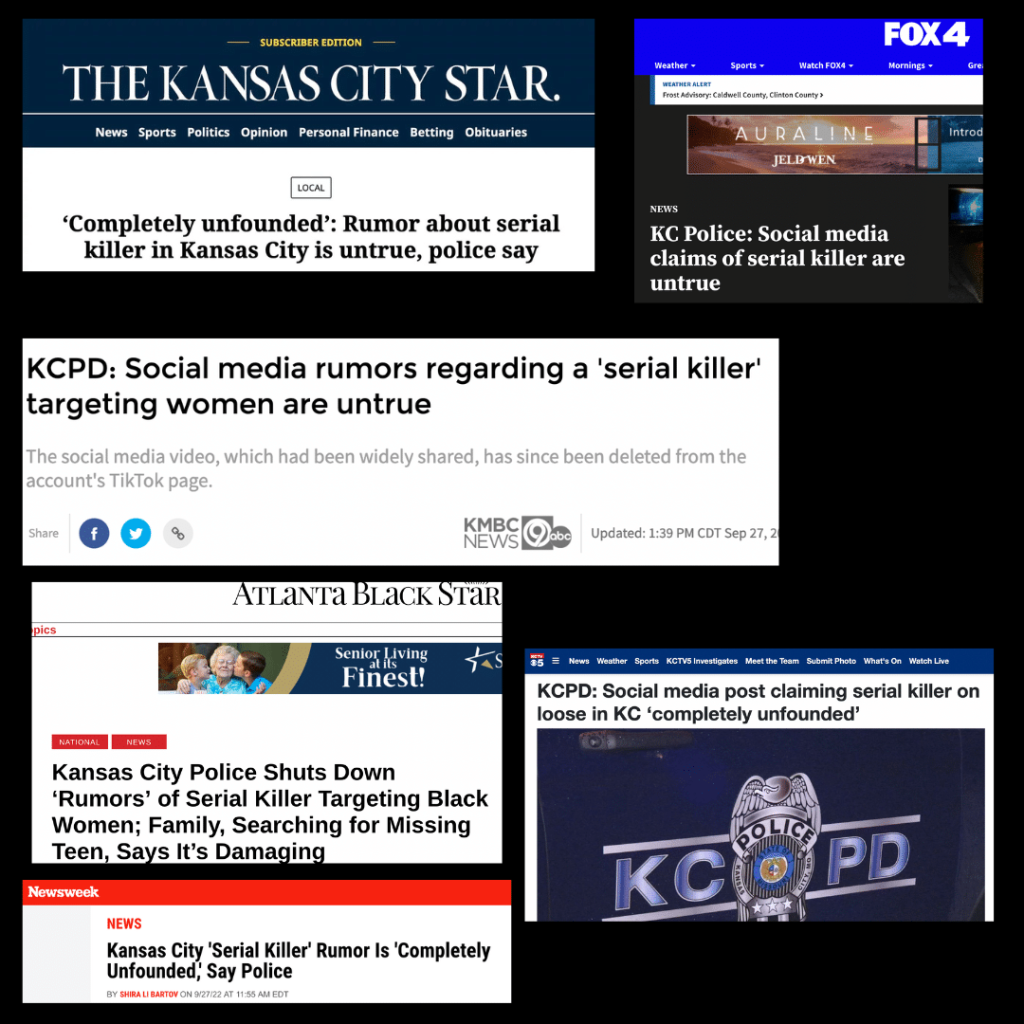
Then everything changed.
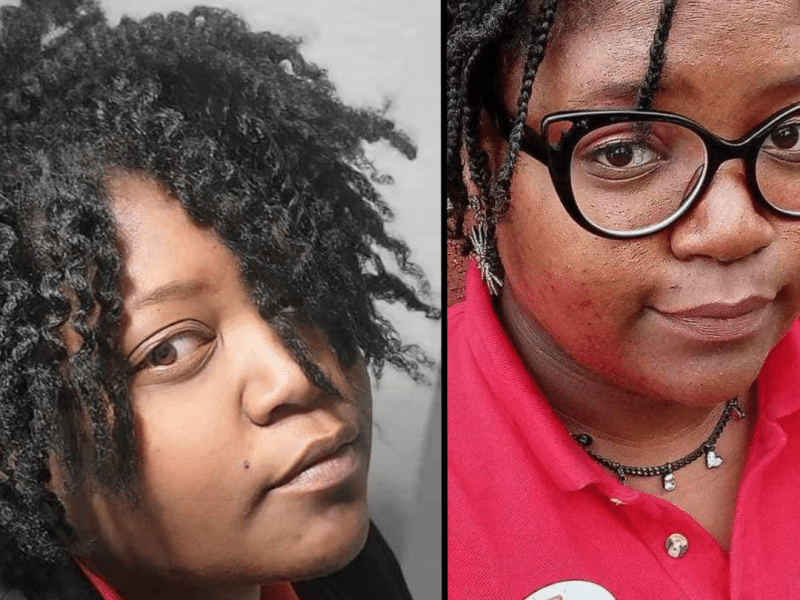
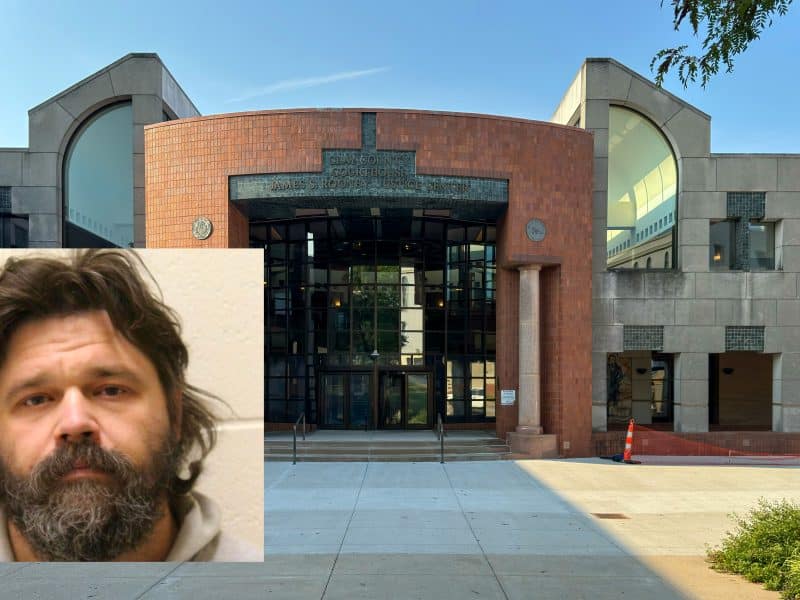
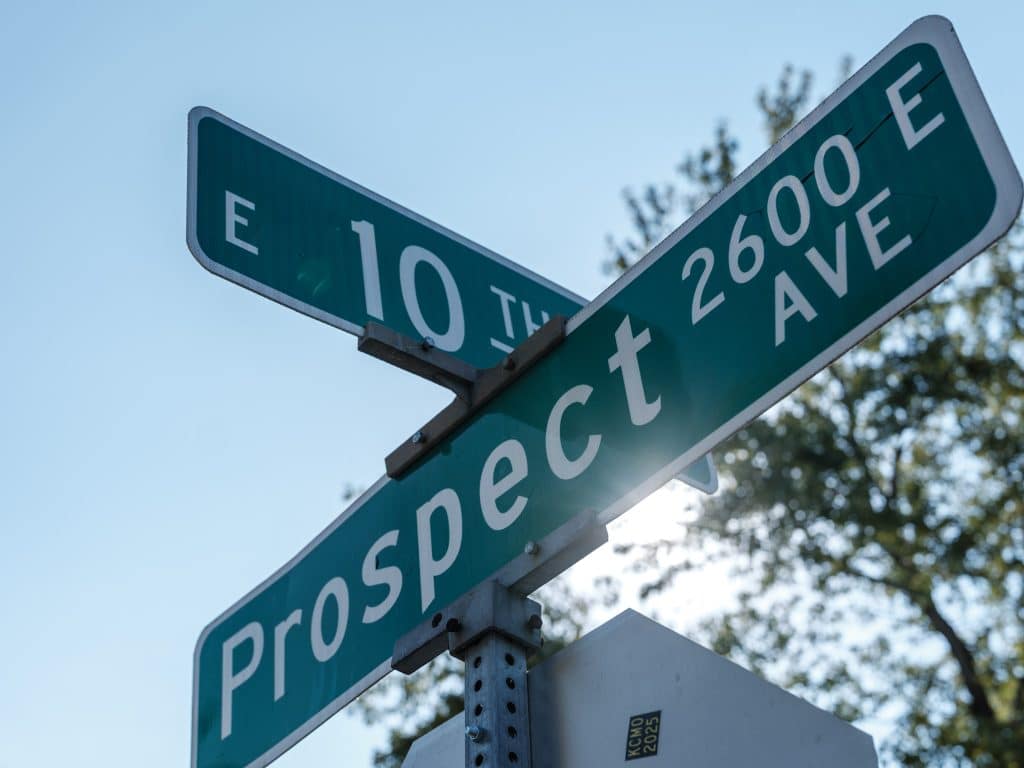
Less than a month later, 22-year-old TJ escaped from Timothy Haslett Jr.’s home in Excelsior Springs, a small city about 30 miles northeast of Kansas City. A heavy metal collar was locked around her neck. She said she had been abducted from Prospect Avenue, held for over a month in a basement torture dungeon, and that two of her friends had been killed by the same man who abducted her.
Amidst our groundbreaking investigation, we also uncovered that Haslett is an unabashed white supremacist whose online posts celebrated violence against Black people.
What TJ endured at his hands was nothing short of horrific. But her story, unfortunately, wasn’t an isolated horror. It was the product of overlapping failures by police, courts, media, and the public that too often looks the other way when Black women go missing.
The numbers make this clear.
On September 11, 44 people were actively missing in Kansas City. The weight of that tragedy falls disproportionately on Black residents, who make up only about 27% of the city’s population, yet account for 55% of open cases and 57% of the 778 people reported missing since February. That’s over double Black people’s share of the population.
In this one snapshot, Black residents are almost four times more likely to be reported missing than white residents, and just over three times more likely to remain actively missing.
Black women, who make up just 14% of Kansas City’s population, represent 32% of reported cases and 22% of active cases. Since February, Black women have been 3.5 times more likely to be reported missing than white women. Black women are also more than twice as likely to be missing today.
TJ’s story is part of a larger pattern. And like too many other cases involving Black women, it faded quickly from the headlines.
But we never stopped following the story.
Our Investigation Continues
For nearly three years, we’ve been sitting in courtrooms, combing through public records, walking neighborhoods, and talking with the people most impacted by an epidemic that rarely makes headlines: Black women disappearing in plain sight.
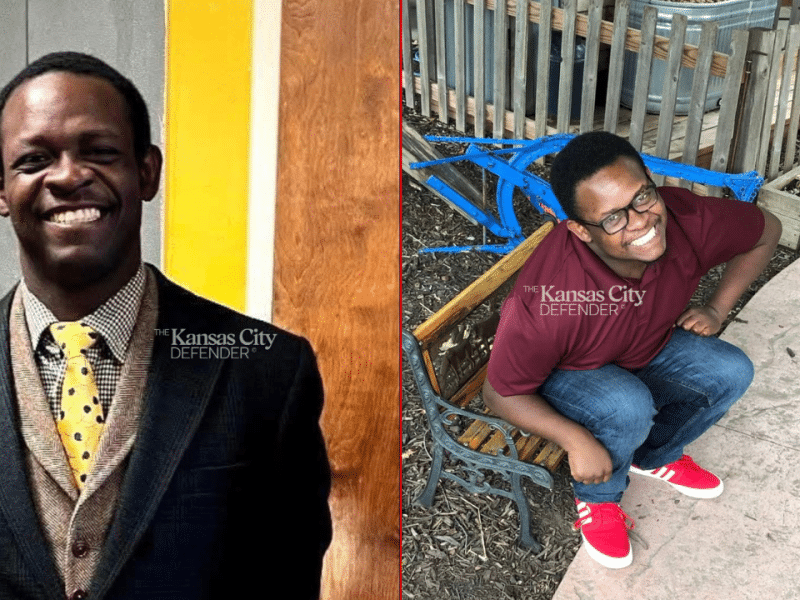
Vaughan Harrison, creator of the Fountain City Files podcast, began investigating Haslett’s case in 2022, building timelines, tracking court proceedings, and archiving the slow movement of the legal system.
Mili Mansaray, senior editor at The Defender, was reporting on missing Black people for The Beacon KC—compiling data and speaking with families, survivors, and community members who’ve been ignored for years.
So while national attention faded, we stayed with the story. And what we found was deeper, darker, and more widespread than we imagined.
Now, we’re joining forces with The Excelsior Citizen, local organizers, and those most directly impacted to build a project that exposes the systems allowing this violence to go unacknowledged, unpunished, and often unspoken.
This work will culminate in the launch of Fountain City Files: Vanishing Point, a long-form investigative series and podcast that explores the crisis of missing Black women in Kansas City and the Midwest. This series will center the voices of survivors, families, and communities pushing back against systemic neglect.
We’ll also publish articles, host listening sessions, and launch a campaign to support victims and their families.
To begin, we’re releasing an interactive timeline that maps the key events surrounding the Haslett case, local disappearances, and the institutional failures that connect them. It will grow as our investigation unfolds.
Where We Go From Here
As Haslett’s trial begins on December 1, TJ—the woman who survived him—is still trying to rebuild her life. And she’s not alone.
This is not just the story of one man. It’s the story of a system that allowed him to exist.
And it is not about one woman, but instead a culture that devalues Black women. A legal process that delays or prevents justice. Cops that dismiss families with questions like whether their missing loved ones were on drugs, implying the disappearance was their own fault.
This is the story of a public safety model that waits until harm is irreversible.
But this story is also about community, resistance, and the people fighting every day to bring their loved ones home and keep their neighborhoods safe.
This is just our first installment in an ongoing series. There’s more to come in the lead-up to Haslett’s trial.
If you’ve lost someone, know something, or want to share your story—we’re listening.
Please submit tips and testimonies here or email info@fountaincityfiles.com