Kansas’ Anti-Trans ID Law is Sending a Warning Across State Lines
Under Senate Bill 244, Kansas requires driver’s licenses to reflect sex assigned at birth and invalidates about 1,700 licenses previously updated to match gender identity. Advocates say the law directly targets transgender residents, forcing them to carry identification that contradicts who they are and raising concerns about discrimination, safety, and barriers to voting.
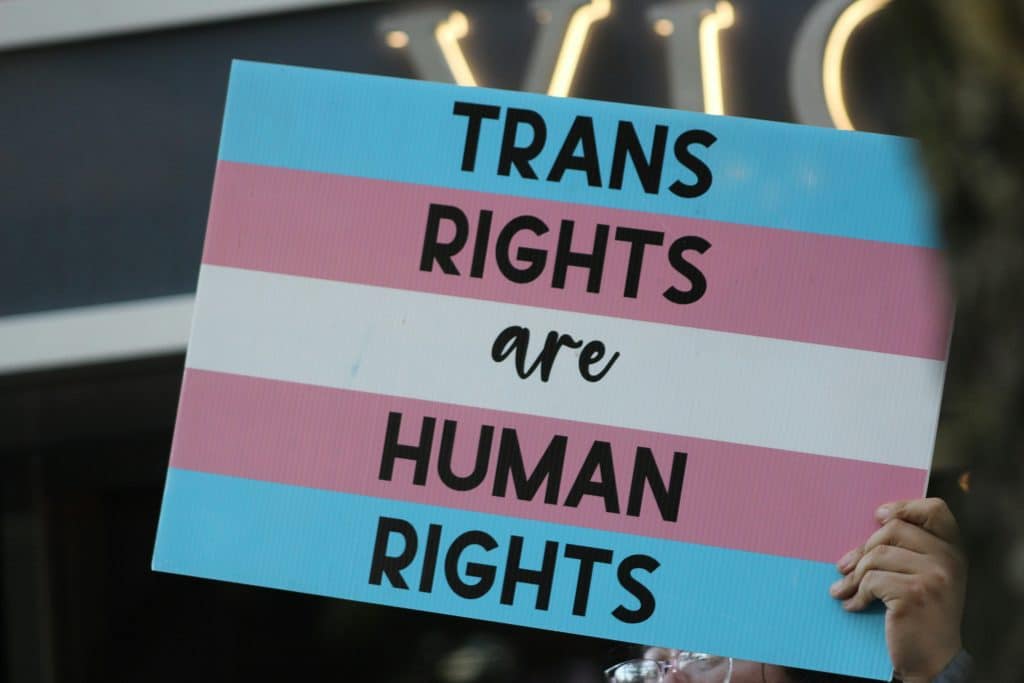
For transgender Kansans, a driver’s license is no longer just a form of identification. Under a recently passed bill, trans residents are forced to carry IDs that don’t reflect who they are, exposing them to harassment, forced outing, and new barriers to moving safely through public life.
The law, passed on February 18, requires government IDs to reflect sex assigned at birth, invalidating more than 1,500 driver’s licenses held by transgender residents. This anti-trans policy eliminates legal recognition for trans Kansans and heightens their exposure to discrimination, harassment, and harm.
Coincidentally, Kansas is home to an estimated 22,400 transgender residents. Williams Institute data also shows that 0.7% of Black Kansans identify as transgender, underscoring how laws like SB 244 can deepen harm for Black trans residents already navigating disproportionate barriers to safety, housing, healthcare, and public life. Yet instead of supporting that community, state policy is moving in the opposite direction, excluding some of the very people who were once proud to call Kansas home.
The law, which abruptly disrupted the lives of thousands, is Kansas Senate Bill 244. When it took effect, it was applied retroactively, immediately invalidating the driver’s licenses of transgender residents and forcing many to quickly obtain new IDs that comply with the policy ahead of the state’s March 25, 2026 deadline.
Supporters of the measure have framed it as a matter of accuracy in state records. But trans Kansans and their advocates say the law is part of a growing national effort to deny transgender people legal recognition.
For Nyla Foster, executive director of Trans Women of Color Collective and plaintiff in the landmark 2018 case Foster v. Andersen, which secured the right of transgender Kansans to update the gender markers on their birth certificates, the impact is both personal and systemic.
“If they invalidate a whole population’s IDs and force them through this process again, people won’t even want to go to the polls or move through public spaces,” Foster said. “This isn’t just about paperwork. It pushes people out of everyday life.”
Policing identity and public perception
Across the United States, hundreds of bills targeting transgender rights, including restrictions on healthcare, school participation, restroom access, and identity documents, have been introduced in recent years. For those living in states where these policies are advancing, the message feels clear.
“This bill was engineered to strip trans people of their identity,” said Anakin Rae DeBoe, a Kansas City, Missouri trans man and founder of Trans Guys Gather. “To take away one’s identification is to take away their right to vote.”
Senate bill 244 passed on n February 18, moving forward despite opposition from Governor Laura Kelly, whose veto was overridden by the Legislature. In a follow-up to her veto statement, Kelly warned of the broader consequences, writing: “This is a poorly drafted bill with significant, far-reaching consequences. Not only will this bill keep brothers from visiting sisters’ dorms and husbands from wives’ shared hospital rooms, it will cost Kansas taxpayers millions of dollars to comply with this very vague legislation.” She added, “It is nothing short of ridiculous that the Legislature is forcing the entire state, every city and town, every school district, every public university to spend taxpayer money on a manufactured problem. Kansans elected them to focus on education, job creation, housing, and grocery costs.”
What SB 244 Includes
Under SB 244, government-owned or leased facilities restrict bathrooms, locker rooms, and showers based on sex assigned at birth.
Foster said many of the laws being introduced are rooted in narratives that paint transgender people as a threat, particularly in conversations around public safety, restrooms, and children.
“I think a lot of it is framed around protecting women and children,” she said. “But I don’t think that’s what’s actually happening.”
She pointed to the disconnect between those claims and the reality of transgender people’s lives, noting that many are caregivers, service providers, and community members who are already embedded in the same systems they are now being excluded from.
“We all have been in bathrooms with trans people. We all have,” Foster said. “We’ve been in bathrooms with [non-trans]people who have unsavory backgrounds too. We also have trans nurturers, doctors, and police officers.”
Foster said the idea that transgender people pose a threat is not based on lived reality, but on misinformation that has been reinforced over time through media, politics, and cultural narratives.
“A lot of people don’t know trans people,” she said. “What they do know is what they’ve seen, and a lot of that has taught people to be scared of us or laugh at us.”
For Foster, the issue ultimately comes down to recognition and humanity. Simply put, the policies being debated are reinforcing a broader narrative about who is considered safe, who is considered suspect, and who is allowed to move through society without being questioned.
How identification laws affect daily life
The impacts of SB 244 are reshaping how and when trans Kansans engage with everyday systems that most people rely on without a second thought.
A driver’s license functions as a gateway document. It is required for employment verification, housing applications, travel, financial services, and routine interactions with police. When that document no longer aligns with a person’s identity, it can trigger additional scrutiny in moments where compliance is expected.
The law’s immediate rollout compounded those risks. Because previously issued licenses were instantly invalidated, some transgender residents were left in legal limbo overnight and left to navigate daily responsibilities without identification that met current state requirements.
“That’s what the bill and its quick turnaround time were designed to do, make us feel out of options,” said DeBoe.
Advocates say the result is not just administrative disruption, but a shift in how people access public life. Foster said the current environment is already forcing people to move with increased caution and intention.
“It is making me move differently… knowing where it’s safe to go versus just wandering out and being in spaces blindly,” she said.
That level of calculation, advocates argue, introduces new barriers to basic life participation. Routine tasks can require advance planning, risk assessment, and, in some cases, avoidance altogether.
DeBoe said the policy also creates situations that can escalate quickly in public settings. SB 244, which defines sex based on a person’s sex assigned at birth, extends the law beyond IDs to shape how gender is recognized in public spaces. In practice, that means restricting transgender people from using restrooms and other gendered facilities that align with their gender identity in government buildings. and allowing private citizens to sue for $1,000 if they believe someone has violated those rules, raising concerns about increased surveillance, harassment, and vigilantism.
In neighboring Missouri, similar restrictions on public accommodations and limits on gender-affirming healthcare, including for some adults on Medicaid, add to what advocates describe as a growing web
“This bill acts as a public humiliation ritual,” DeBoe said. “It forces fully transitioned people into bathrooms they do not belong in and creates embarrassing, stressful, and even escalated situations.”
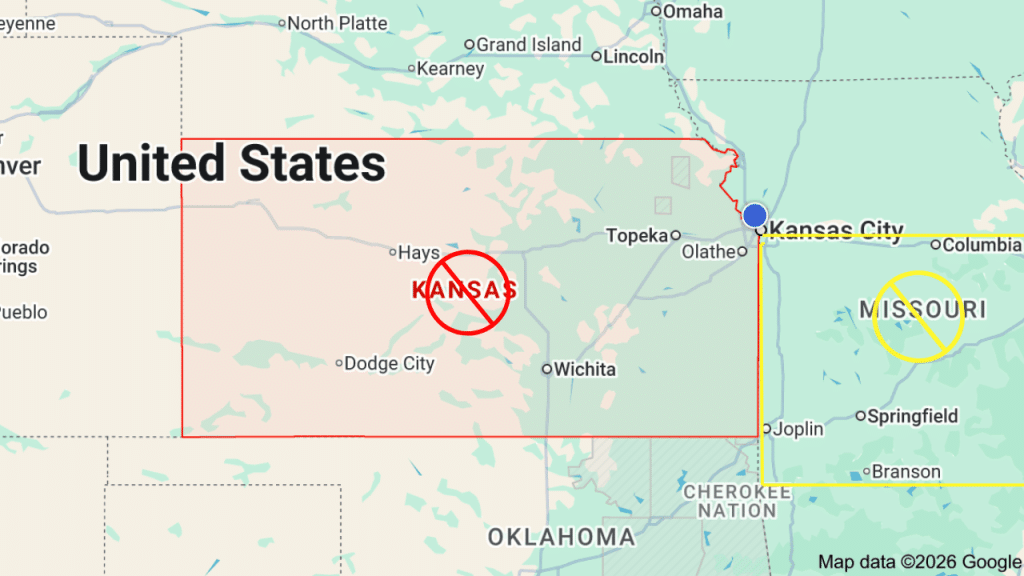
Similar policy debates are unfolding in Missouri
Kansas is not alone in reconsidering how gender markers are handled on identification documents.
In 2024, Missouri state officials tightened the rules governing gender marker changes on driver’s licenses. The Missouri Department of Revenue now requires documentation, such as proof of gender-affirming surgery or a court order, before approving a gender marker change.
Several bills introduced in the Missouri legislature have proposed going further by requiring identification documents to reflect sex assigned at birth.
For transgender Missourians, Kansas’ new law has brought the threat closer to home.
“When I first heard about it, I was confused,” said Vivian Taylor Porras, a Kansas City, Missouri transgender woman. “Then it turned into fear. At this point, trans people almost have to expect the unexpected.”
That fear extends across marginalized communities in Missouri. The Williams Institute estimates that 0.6% of Black Missourians identify as transgender, amounting to atleast 4,400 people statewide living at the intersection of anti-trans and anti-Black discrimination.
Advocates say the wave of legislation targeting transgender people is unfolding at a time when broader attacks on marginalized communities are also intensifying. Trump-era policies affecting immigration, voting access, reproductive healthcare, and social services have similarly drawn criticism from civil rights organizations, who argue that marginalized groups are being singled out by lawmakers.
Within that context, transgender people have become one of the most visible targets of new legislation.
What research-backed data is saying
Researchers and legal scholars at the Williams Institute at UCLA School of Law found no evidence that allowing transgender people to use restrooms aligned with their gender identity increases safety risks. Instead, the research shows transgender people are more likely to face harassment, denial of access, or confrontation, particularly when forced to use facilities that do not align with their identity. The report also warns that policies enforcing rigid gender classifications can lead to increased policing of all people’s bodies and appearances in public spaces, shifting enforcement away from documentation and toward perception.
That dynamic is already being felt on the ground. Taylor Porras said the current climate has changed how people are treated in everyday environments.
“These laws will cause so much harm and danger to transgender individuals, whether that danger is physical or mental,” she said. “These laws permit and almost encourage people to out and oust trans people from society.”
Because enforcement often relies on appearance rather than verification, Porras said that kind of scrutiny can affect anyone who does not fit rigid expectations of gender.
And researchers have proved that to be true. Legal scholars note that when perception becomes the basis for enforcement on who deserves to be in a space, it increases the likelihood of public confrontations, denial of access, and individuals being questioned or removed from spaces based on how they look.
Identification and voting access
For DeBoe, one of the most concerning aspects of policies affecting identification documents is how they can prevent trans people from taking part in elections.
“While trans people make up about one percent of the population, we have a voter turnout of about 85 percent,” DeBoe said. “We are informed, and we are fighting.”
And research shows that at least an estimated 825,000 transgender adults are eligible to vote in U.S. elections, and studies show they participate in civic life at rates that often meet or exceed the general population. But if policies like this continue to spread, they could effectively disenfranchise nearly one million eligible voters across the country.
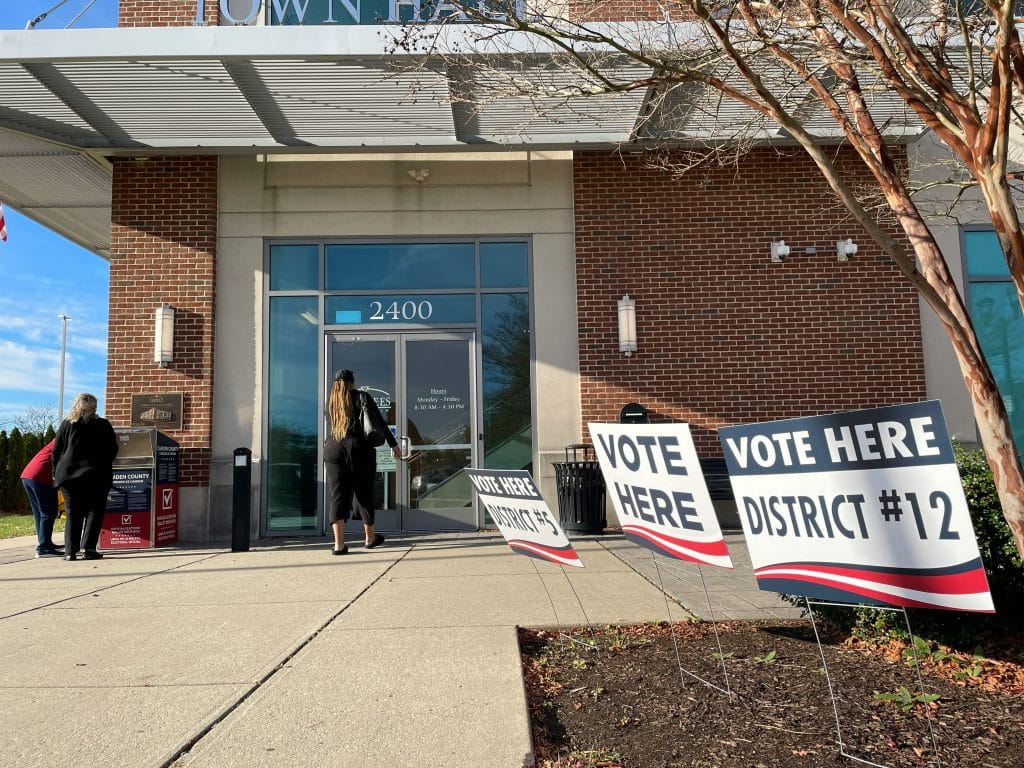
Moreover, when residents are forced to replace identification documents or navigate inconsistencies between records, advocates say it can create additional barriers to voting.
Deboe said the broader concern is the precedent created when governments redefine identity documents for one group of people.
“If they can potentially keep trans people from voting, it’s only a matter of time before they find ways to do the same thing to the rest,” he said.
How advocates are responding on the ground
For Taylor Porras, the issue ultimately comes down to dignity.
“Most trans people simply want to be respected,” she said. “Society does not necessarily have to accept us, but respecting our existence is the key point to making trans people feel safe.”
For Foster, who helped win earlier legal recognition for transgender Kansans, the current moment is shaped by a history of legal advocacy that once expanded those rights. She was a plaintiff in a landmark 2018 lawsuit that secured the ability for transgender Kansans to update the gender markers on their birth certificates.
Seeing that progress challenged again, she said, has required a shift from legal victories to rapid response.
“It was like, oh my God… what do we do now?” she said, describing the moment the issue resurfaced.
Instead of stepping back, she moved toward organizing. Foster and her team brought together community members and service providers through a Trans Visibility Resource Fair, creating space for people to access information and support as policies continue to change.
“What people really need the most is knowledge,” she said. “Knowledge is key because it’s forever changing… It’s how we are going to navigate resources.”
Foster said the work now is not just about reacting to legislation, but making sure people are equipped to navigate it.
“We want to eliminate those barriers and really get people where they need to be,” she said.
As legal battles over gender identity laws continue across the Midwest and across the country, advocates say now is the moment for us all to act. Whether that means supporting local organizations like the Trans Women of Color Collective or Trans Guys Gather, challenging misinformation, showing up in community spaces, or using personal and professional platforms to push for equity.
As protections are tested, the responsibility to ensure people can still access safety, resources, and recognition does not rest solely on those most impacted; it depends on whether others choose to step up and how others choose to step in.
Author

Related Articles

Making Room for Black Sapphics: Inside Kansas City’s Sapphic Con
Born from organizer Tiffany Watts’ own search for community, the three-day festival centers connection, creativity, accessibility and Black Sapphic visibility.

Missouri Begins the Medical Torture of Trans People in Its Prisons. The People It Caged Are Fighting Back
Da’Shae Breeze learned to write at Maya Angelou’s desk. Now she writes to The Defender from a solitary confinement cell as Missouri strips away her medical care. She spoke to us from inside state prison, alongside Jessica Hicklin, who spent 26 years in maximum security and won the federal ruling the state just defied.

KC PrideFest, People’s Pride and the Fight Over Queer Liberation
In Kansas City, the divide between KC PrideFest and People’s Pride KC reveals a larger struggle over whether Pride should be shaped by corporate sponsorships and policing, or by the queer communities whose resistance made it possible.