Ask Tiffany Watts to describe Kansas City’s sapphic community, and she doesn’t hesitate: “Fragmented.” Some events skew almost entirely white. Others draw a smaller circle of Black and Brown queer women. Much of the city’s queer nightlife, she says, still orbits around gay men.
Watts has spent years moving through those spaces, first looking for community herself, then helping create it. Through her years of experience as an event organizer, she learned how much queer people in Kansas City want places to gather.
At the same time, she also began noticing who those gatherings weren’t reaching.
“There are a lot of party opportunities,” she said. “Not so much to learn from one another or organize together.”
A party might bring out people who want to dance, she explained, but not necessarily the artist who would rather create, the entrepreneur consumed with building something or the couple that simply isn’t interested in nightlife.
“You’re still missing so many different types of people,” she said. People who are still part of the same community but aren’t necessarily ending up in the same room.
So she decided to build something different.
Sapphic Con, a three-day festival taking place Sept. 18–20, is her effort to stitch some of those fragments together through an event centered on Sapphic people — or women and nonbinary people attracted to women — that prioritizes connection, learning, creativity and care alongside the party.
The weekend will move between ballroom, film, workshops and conversations, vendors, performances and nightlife. For Watts, the goal is bigger than producing another queer event.
“If I want it — if I need it, and I see this gap — I know other people see it,” she said. “I know other people are craving something more than a night out.”
From Searching to Building
Born and raised in Kansas City, Watts grew up with a deeply religious mother and an understanding that being attracted to women was not something she could seriously imagine for herself. Girls had been her first everything, from crushes to kisses, but for years she treated that attraction as something secondary.
“I didn’t think I could actually see myself with a woman,” she said.
She dated men, became a mother and, by her late 20s, began reckoning with how much of herself she had pushed aside. Eventually, she reached a point where continuing those relationships felt increasingly inauthentic.
By the time she finally stopped dating men in her early 30s, she didn’t bother with a big coming-out speech. She just started showing up with her girlfriend. She said she was met with acceptance and support from both her mother and daughter.
But what she couldn’t find, even after she embraced the label “late-in-life lesbian,” was a Sapphic community that felt like home, especially as a Black queer woman moving through Kansas City’s nightlife and party scene.
As someone who considers herself a “friends kind of person,” she began intentionally seeking out queer events. She wanted people she could turn to with questions and have conversations with in a judgment-free space.
“I needed people who could relate in my life, and also people that I could learn from on a very real level,” she said.
That search eventually put her on the other side of event organizing. Already an entrepreneur who had begun producing events through her own businesses, she attended Queer Bar Takeover, one of Kansas City’s longest-running queer dance parties, and offered to help with its social media. Over time, she took on more responsibility and eventually helped manage the event.
What she loved most was what happened after the gathering itself: meeting someone at an event, seeing them again and eventually reaching the point where they could say, “Hey, we should go for coffee. We should grab dinner.”
That experience eventually led Watts to build other gatherings of her own, including Where to Find Us, a live dating event she co-founded with host Lo Mchel where people pitch their single friends to a room of potential matches, and HERS, a listening-session series created by women for women.
Each offered a different kind of space, and together they helped sharpen her sense of what Kansas City’s sapphic community needs and what it still lacked. She began working on Sapphic Con in 2024.
Where Do Black Sapphics Fit In?
Finding queer community did not mean Watts stopped noticing who those spaces were built around.
She said Kansas City’s queer scene has plenty of places where sapphic people are welcomed, but that does not always mean they are centered. Many of the city’s queer bars and nightlife spaces, she said, still feel oriented around gay men — from the music to the marketing to the overall culture.
“We’re just gonna go and enjoy it,” Watts said. “But it doesn’t always feel like it’s for us.”
That’s why she wanted Sapphic Con to be explicitly sapphic rather than broadly queer.
“Women don’t get a lot,” she said. “Women just don’t. And then you talk about a smaller group … Sapphic folks, and then you really aren’t seeing them very visible in a lot of spaces.”
Kansas City has few spaces built specifically for Sapphic people. There are some, such as the Dub, a recently opened lesbian-owned women’s sports bar. Watts said she is glad the space exists, but noted that the crowd she has seen there has been largely white.
That points to another divide.
Watts described Kansas City’s sapphic community as fragmented in part because larger gatherings can skew heavily white, while spaces drawing more Black and Brown queer people are often smaller. For her, creating a sapphic-centered event without thinking intentionally about race would simply reproduce another version of the same exclusion.
“Even in Sapphic spaces … you do not see a lot of BIPOC visibility,” she said. “You don’t see enough.”’
In her experience, events explicitly using the word “Sapphic” often draw predominantly white crowds, while Black queer organizers are more likely to use terms like WLW (women loving women) or lesbian on flyers and event listings.
“Sapphic is a word that Black people are newly coming into,” she said. “I want them to see this and feel like it’s something for them.”
That intention shaped Sapphic Con from the start, with a deliberate focus on reflecting the breadth of the sapphic community and bringing a wide range of voices, ideas, experiences and perspectives into its marketing and programming.
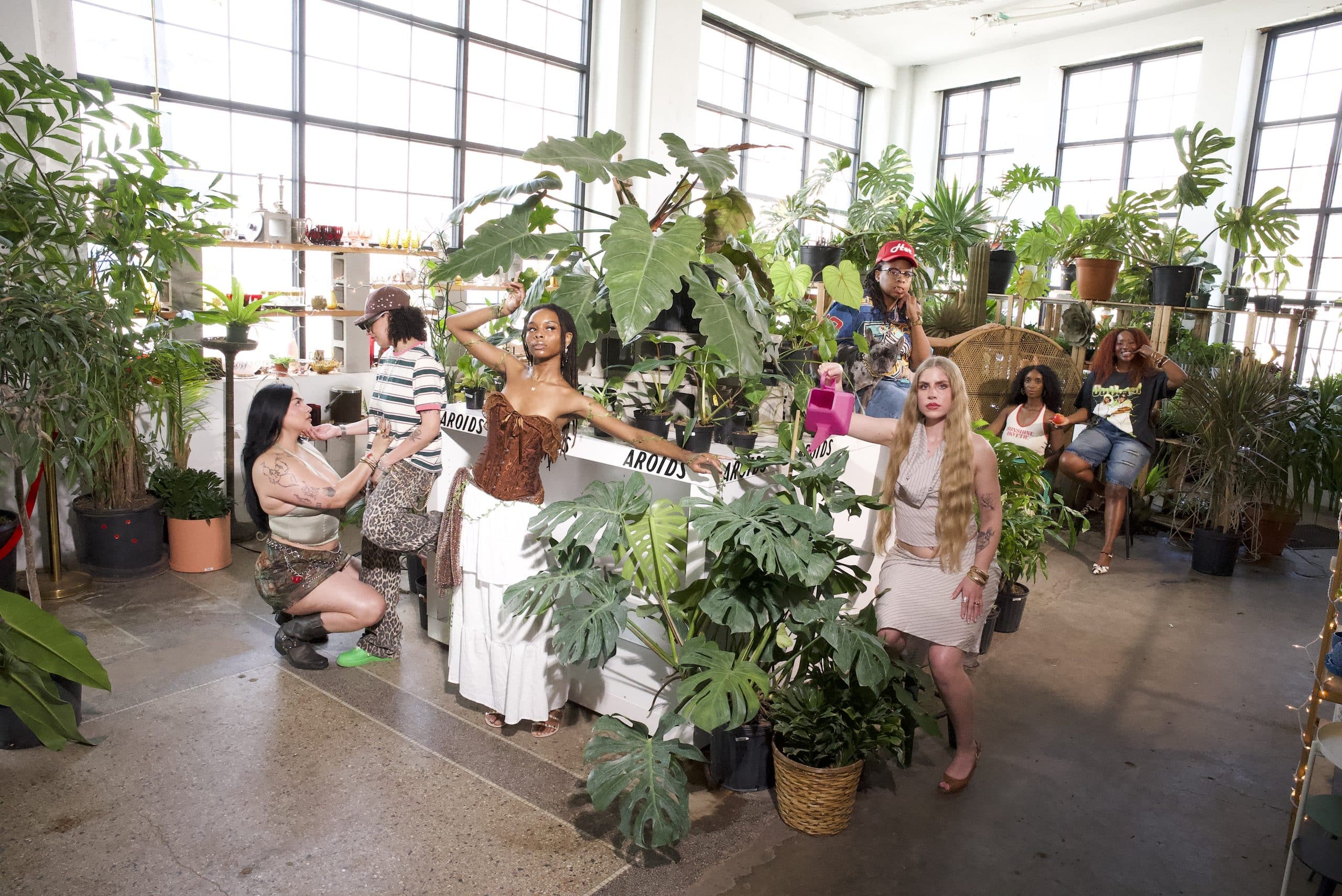
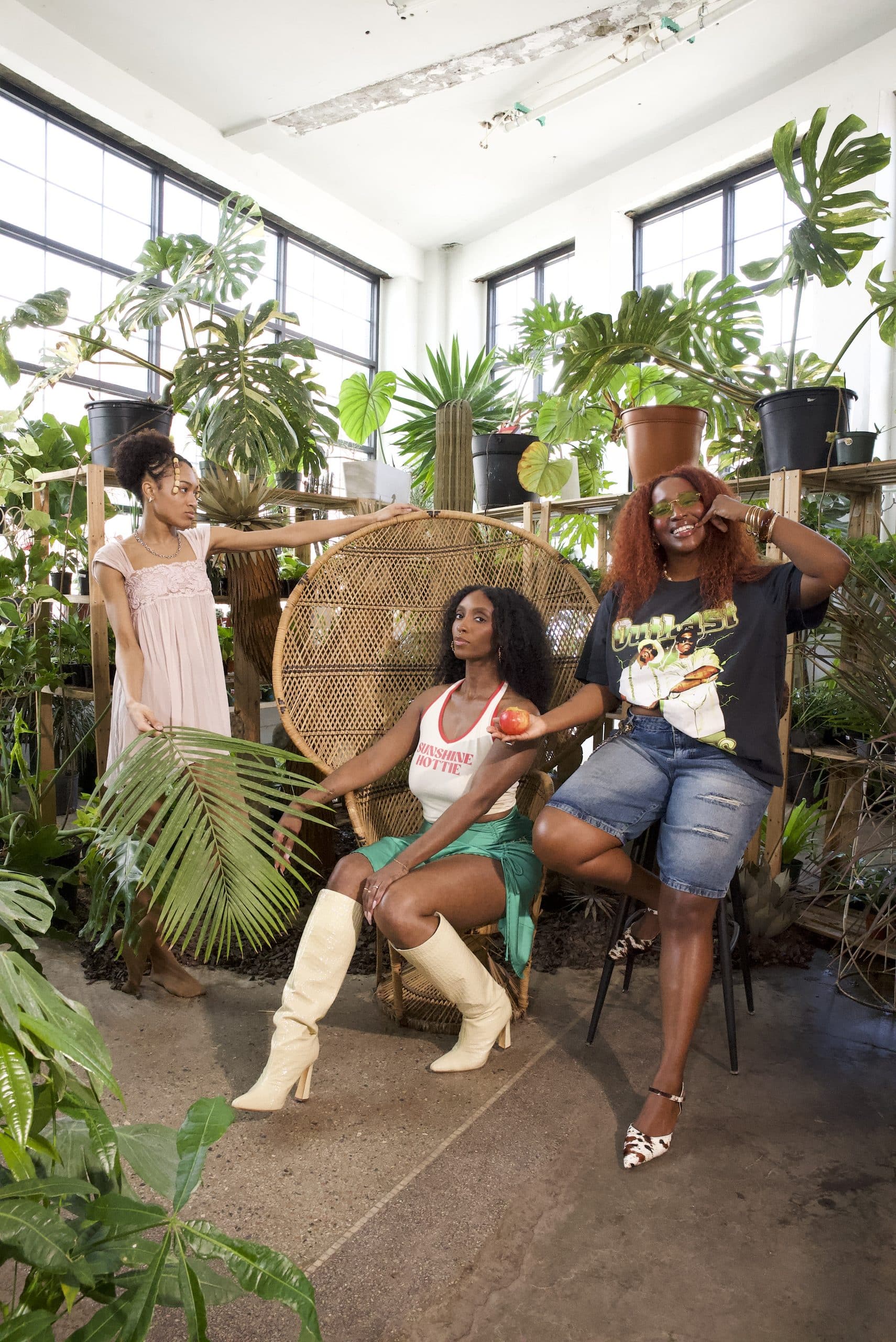
As a Black queer woman leading the event, she said she does not want Black and Brown people to enter the space wondering whether they were considered. She wants them to feel that the space was built with them in mind, long before they enter the room.
“A lot of these conversations need to center us specifically,” she said. “When I’m thinking about some of the panels, or when I’m reaching out to some people, or when I’m thinking about who I want to be our featured artist … I am going out of my way to find us and make sure we are present there.”
Moving from Networking to Connection
The three-day event opens Friday with REWIND, a ‘90s-themed Sapphic ball. Saturday will start with the conference at Social House, a new black-owned cocktail lounge in Martini Corner, followed by Original Sin, a sapphic cabaret and dance party in partnership with Lip Service.
Sunday will close with a film festival at Social House, followed by a creative festival at Rock Island Bridge, with a roller skating performance, poetry showcase, hair show, and more. The weekend will also feature smaller community side quests, including a nature walk and talk at Parkville Nature Sanctuary and riverside yoga with Aimwell Yoga at Berkley Riverfront.
Watts said she is especially interested in programming that asks attendees to be active participants rather than simply sit and listen. One planned activity, called “Say It With Your Chest,” will invite people to respond to provocative statements — ranging from dating and relationships to religion and politics — and then debate those ideas with one another.
The point, she said, is to create room for people to challenge their own thinking while still feeling safe enough to speak freely.
That approach reflects a distinction Watts makes between simply producing an event and building something for a community.
“It’s about more than just creating something for a target market,” she said. “It’s about building something around the people that are participating.”
Putting together a standard event is mostly about the mechanics: venue, security, tickets, programming and ideally making money. But once the goal is community-building, she says, the questions change to things like: Can people afford to come? Are attendees being given real opportunities to connect with one another? And is the organizer willing to accept additional cost or inconvenience if it makes the event more accessible?
If attendees need a quieter sensory space, for example, Watts said she would rather pay more for a venue that can provide one than choose the cheapest option.
That same concern for access extends to the price of getting in. Watts said she looked at other conferences with tickets reaching hundreds or even more than $1,000 and knew that model would not work for the community she wanted Sapphic Con to reach.
“What am I creating this for if people can’t show up?” she asked. “It’s pointless.”
A general admission weekend pass costs $83.49, while groups buying three or more tickets can get weekend passes for $61.49 each. Tickets are also available for individual events and side quests.
TICKETS CAN BE PURCHASED HERE: https://posh.vip/e/sapphic-con-2026
She and the team also created a Community Access Fund, which allows individuals and organizations to pay toward tickets for people who otherwise may not be able to afford one. Sapphic Con has also offered payment plans and free or reduced-cost tickets to some people who have contributed their time to the event.
Watts said that willingness to prioritize participation over profit is part of what separates community work from ordinary event production.
“For most event producers, it really is about the amount of money that you can bring in at the end of the day,” she said. “Some days, I will just break even just to make sure that people have this consistent thing to look forward to.”
A Last-Minute Test
Sapphic Con is Watts’ first time producing a multi-day event, and building it has meant learning in real time how quickly creating a large-scale community gathering can become a logistical challenge.
When she first announced Sapphic Con, the response was larger than she expected. Hundreds of messages came flooding in while Watts was still accustomed to handling most of her projects herself.
The response forced her to confront one of the hardest lessons of organizing an event this large: she could not do everything alone. She eventually assembled a planning committee, but handing over pieces of a project she had poured so much of herself into was difficult.
“I was so attached to the outcome,” Watts said. Handing parts of the project to other people meant accepting that they might approach or execute them differently than she would, but that difference in insight is more than necessary. So she began working with a planning team of eight.
Then, just weeks before the event, Sapphic Con lost its planned conference venue when Parlor suddenly closed.
“It changed everything dramatically,” she said.
The loss affected more than where attendees would spend their day. The flow of the conference was centered around multiple spaces, allowing panels, workshops and other programming to happen simultaneously. Suddenly, she had to consider whether a replacement venue would be affordable, centrally located and accessible to people relying on public transportation, as well as visitors who had already booked hotels based around the original location.
Faced with the possibility that the replacement venue might offer only one room, Watts began cutting and consolidating programming so the entire conference could work from a single stage.
At first, the change felt like another setback. But she said scaling the program down ultimately relieved some of the pressure of producing such an ambitious event for the first time.“Now I feel confident that we can still, in any space, make this happen,” she said.
Losing the venue also revealed just how many people wanted Sapphic Con to survive.
After Watts posted about the closure online, messages and offers of help began pouring in from across Kansas City. Businesses and event organizers offered leads. Kansas City Councilman Crispin Rea reached out with possible venues and helped connect Watts with people who might be able to accommodate the event.
One of Watts’ guiding principles is to show up for community, even when there isn’t a ticket to sell or an event to promote. In turn, the crisis became an example of that philosophy in practice.
Building Toward Something Bigger
For Watts, getting through the first Sapphic Con is only the beginning.
Five years from now, she imagines the festival becoming something Sapphic people anticipate every year: a gathering with cultural weight and centred on learning, organizing and discovering the work being created within the community, in addition to celebrating
“I imagine this would be the biggest creative festival that our community has,” Watts said. “People would be preparing for Sapphic Con each year, kind of like we get in the mindset for Pride.”
She wants the festival to eventually reach beyond Kansas City, too. Beginning in 2027, Watts hopes to organize smaller versions of Sapphic Con in other cities to give others a taste of the larger gathering that could introduce more people to the kind of community she is trying to build.

But if Sapphic Con grows, Watts does not want its future to depend solely on her vision.
She wants younger and older Sapphic people, organizers with different experiences and people from across the community involved in shaping what comes next. The more perspectives in the room, she said, the more expansive the festival can become.
“It is so much bigger than me,” Watts said. “Just my brain will not create what this needs to look like in five years.”
For now, Sapphic Con’s first step comes Sept. 18.
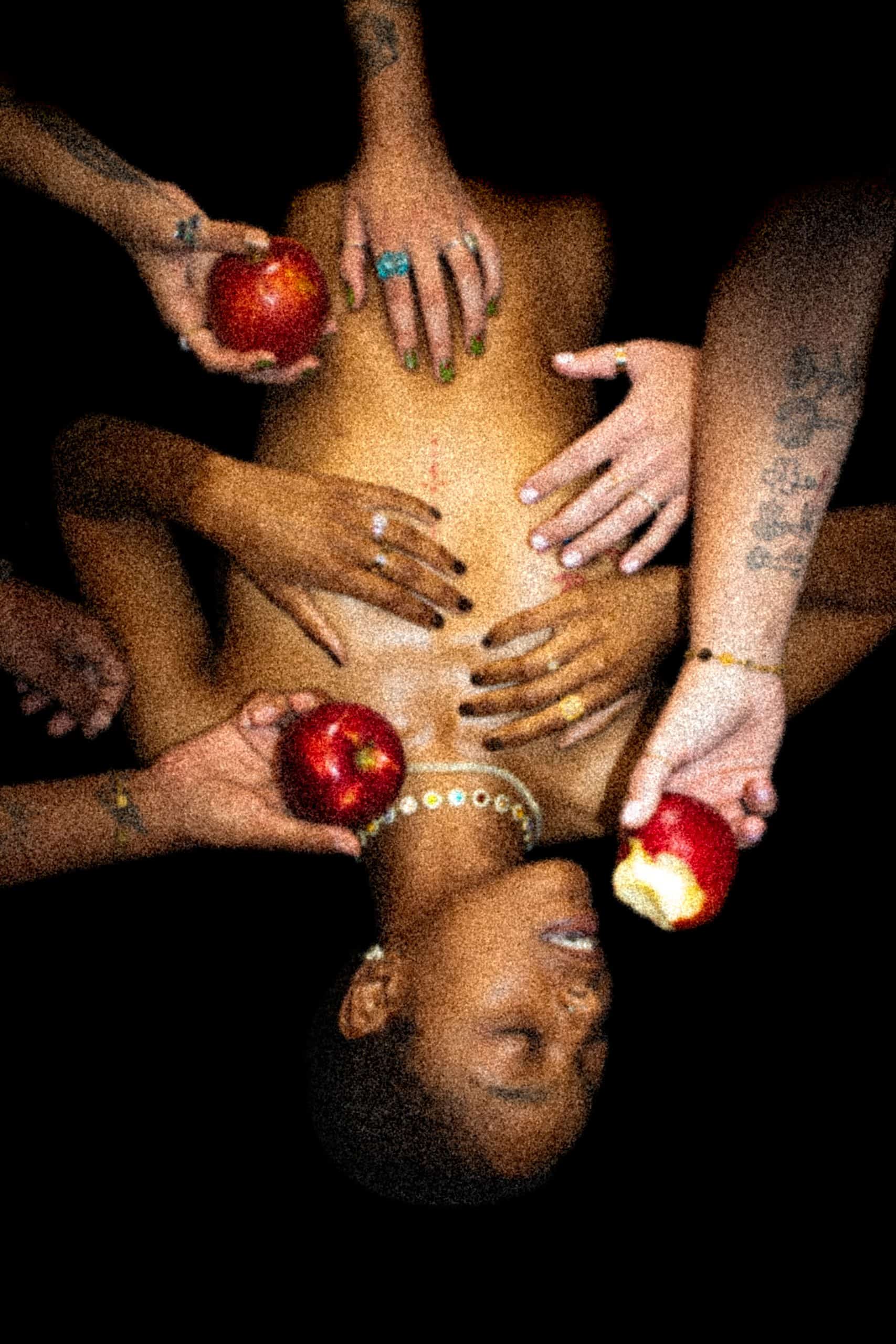
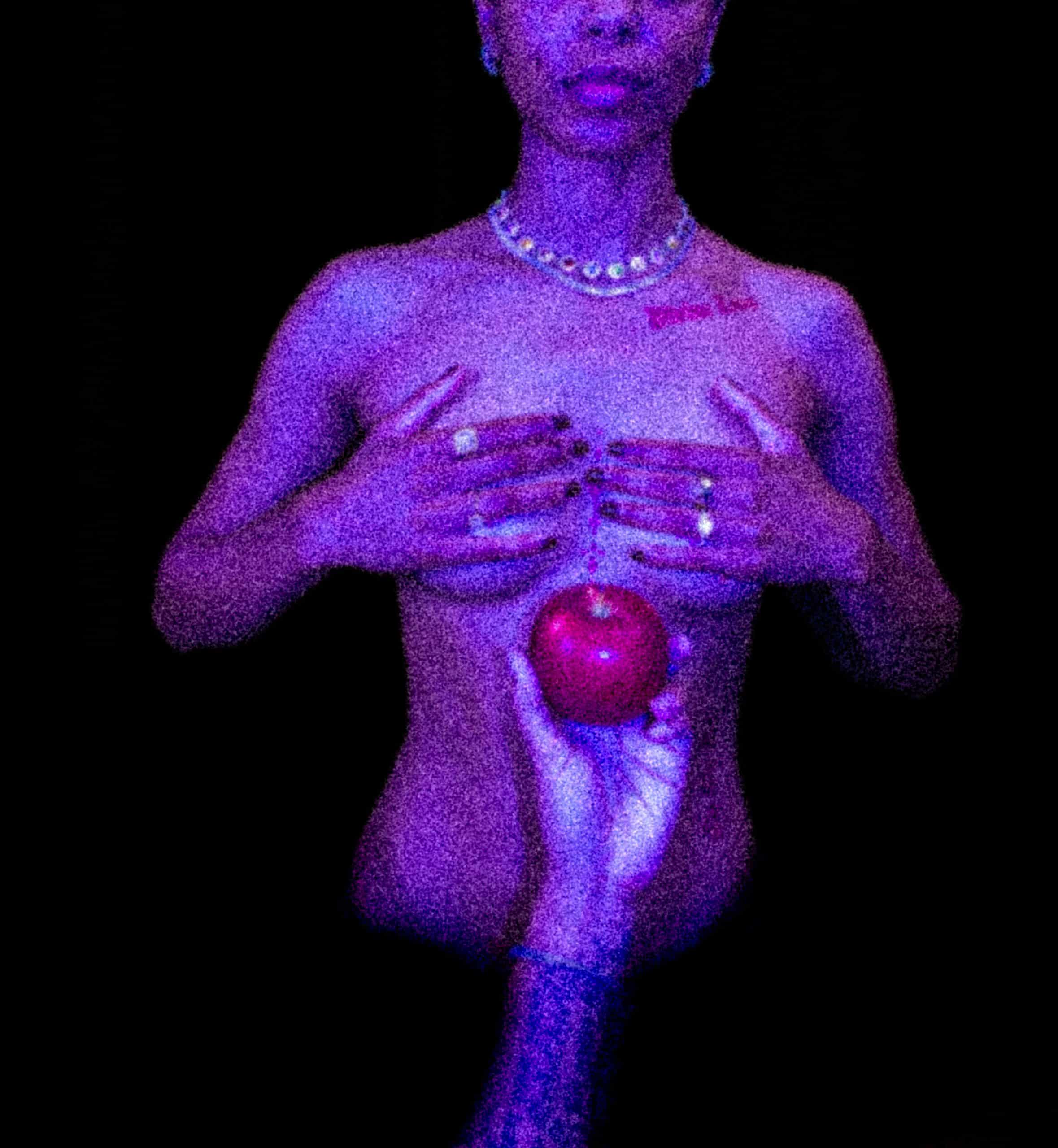
Its theme is “The First Taste.” Watts hopes it gives Kansas City’s Sapphic community a taste of what can happen when the people who have spent years searching for one another finally have a space built to bring them together.