A KANSAS CITY DEFENDER INVESTIGATION
NUCLEAR GUINEA PIGS
How a Small Kansas Town Became the Site of a Nuclear Experiment to Power AI
Artificial intelligence needs more power than America will give it, so the industry went looking for ground where nobody gets a vote. In Parsons, Kansas, where one in five residents lives in poverty, that means the first nuclear reactor in history designed to operate underground, drilled through the aquifer, on land where the Army still detonates waste explosives under federal permit.
I.
Joe Beachner digs for a living. Excavation, demolition, the compaction work a small town runs on. His people, the Beachners and the Giefers, have been on this ground since the 1800s, through the Great Depression and the Dust Bowl, long enough that a stone arch bridge his great-grandfather built still stands outside St. Paul. He was born here, came home from his traveling years, married, bought his place, and is trying to start a family on it.
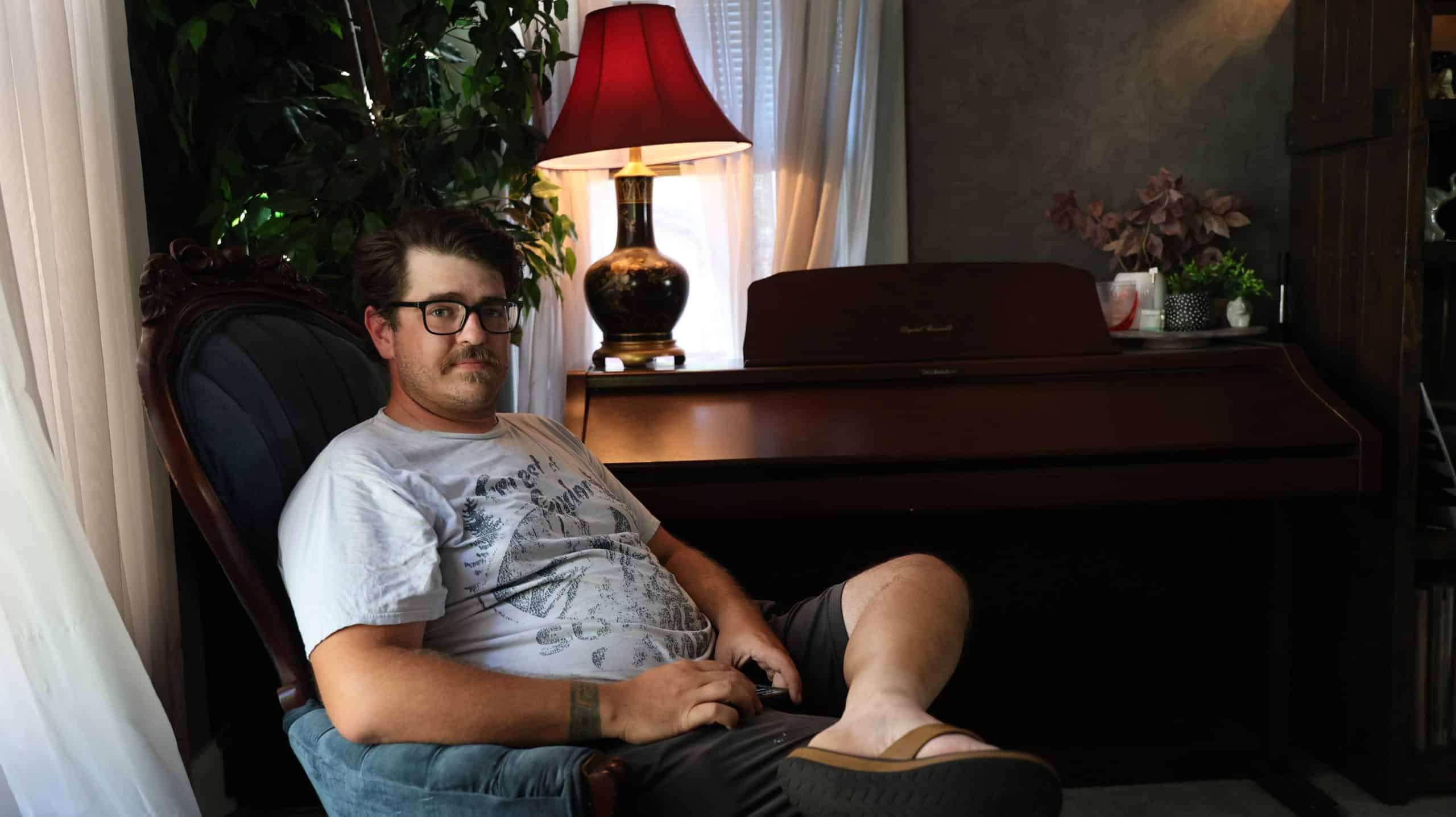
Last December, about a week after a groundbreaking ceremony, Beachner learned what is coming to his town.
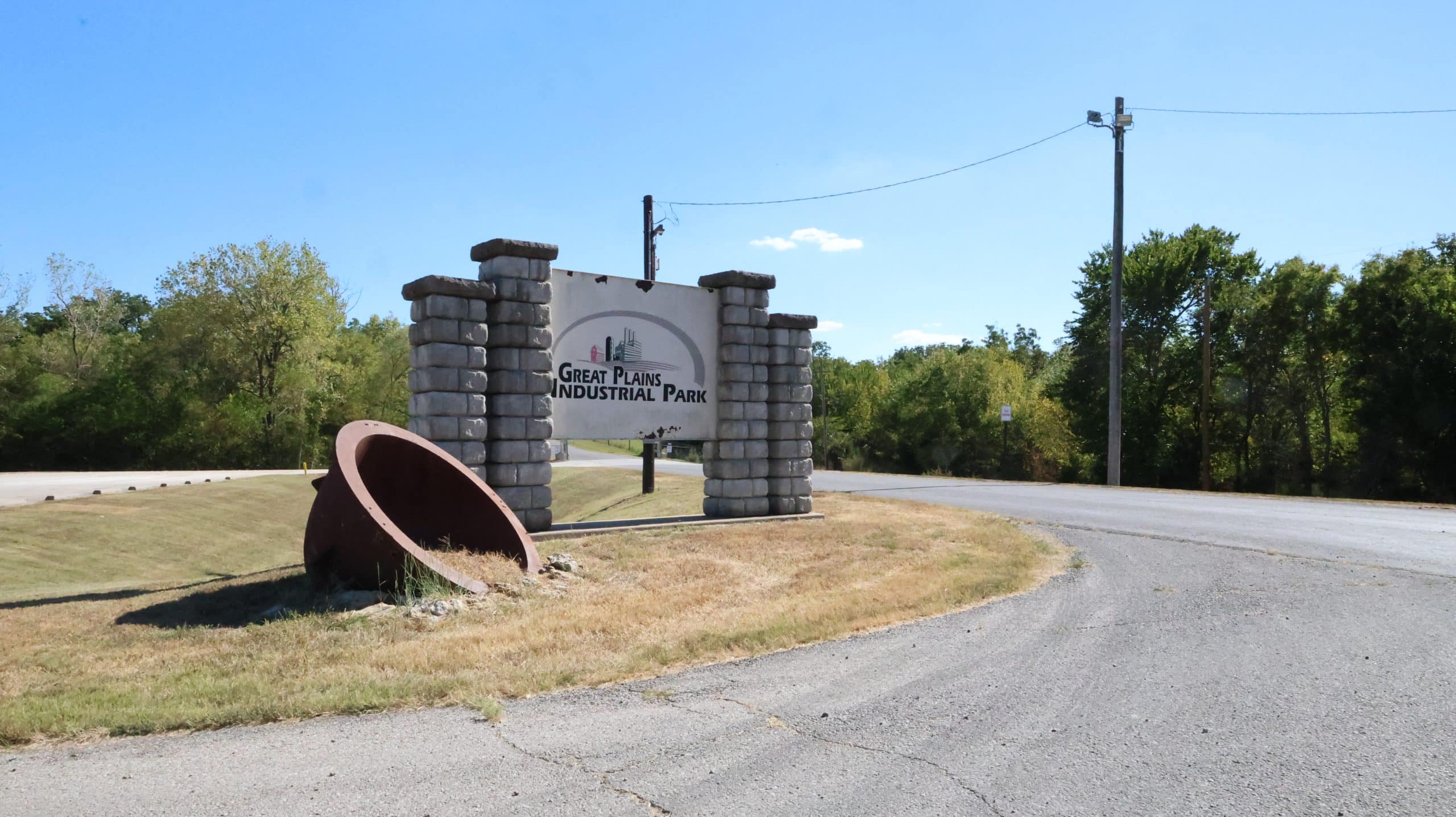
A California company intends to bury a nuclear reactor a mile beneath the old Army ammunition plant outside Parsons, the first machine of its kind in human history, lowered down a borehole.
He would also learn that the electricity this facility produces will not be for his community members. It is instead, promised to the data centers of the artificial intelligence industry, who by his estimation “came looking for a place too poor and too small to stop it.” His house sits less than two miles from the site. “They’re trying to turn my home into an experiment,” he said. “That drives me mad.”
The safety rules that would have restricted the nuclear facility from being built here were rewritten in Washington just last year, and the environmental review process was erased outright.
What is happening to Beachner’s small rural town is a story many Defender readers may be familiar with, because it has been happening to Black neighborhoods across our country for a century. Toxic projects sited where residents are too poor or politically underrepresented to fight back. Tax breaks for multimillion-dollar companies while the schools nearby go under-resourced. Water and power drawn off for somebody else’s profit while the bills climb for the people who actually live there.
But Beachner and his neighbors are fighting back, and they are clear-eyed about who their enemy is. “The corporate greed is astounding,” he said.
This small town, where a nuclear reactor and a data center are both scheduled to rise, has become a battle in the heart of America, and the outcome will ripple far beyond Labette County.
THE DESCENT
What the borehole passes through on its way down.
SURFACE
The old Kansas Army Ammunition Plant, where the Army still detonates waste explosives under federal permit. Joe Beachner’s house sits less than two miles away.
DRINKING WATER
The water this corner of Kansas drinks lies within the first 150 feet. The drillers set 250 feet of steel casing down through it. What separates a contaminant from the aquifer is the wall of that casing, less than half an inch of steel.
COAL SEAMS
These seams produce methane commercially. Kansas captures the gas at all because of the mining disasters it caused.
UNMAPPED ROCK
The deep fracture data needed to judge a borehole site was never collected for Kansas. The first underground reactor in history is being drilled into rock nobody has mapped.
ONE MILE. THE REACTOR.
It cannot be repaired down here. No human being can reach it. To refuel it, crews will raise it toward the surface on strings of pipe and lower it back. Every lift is a chance for a mechanism to jam, drop, or breach.
II.
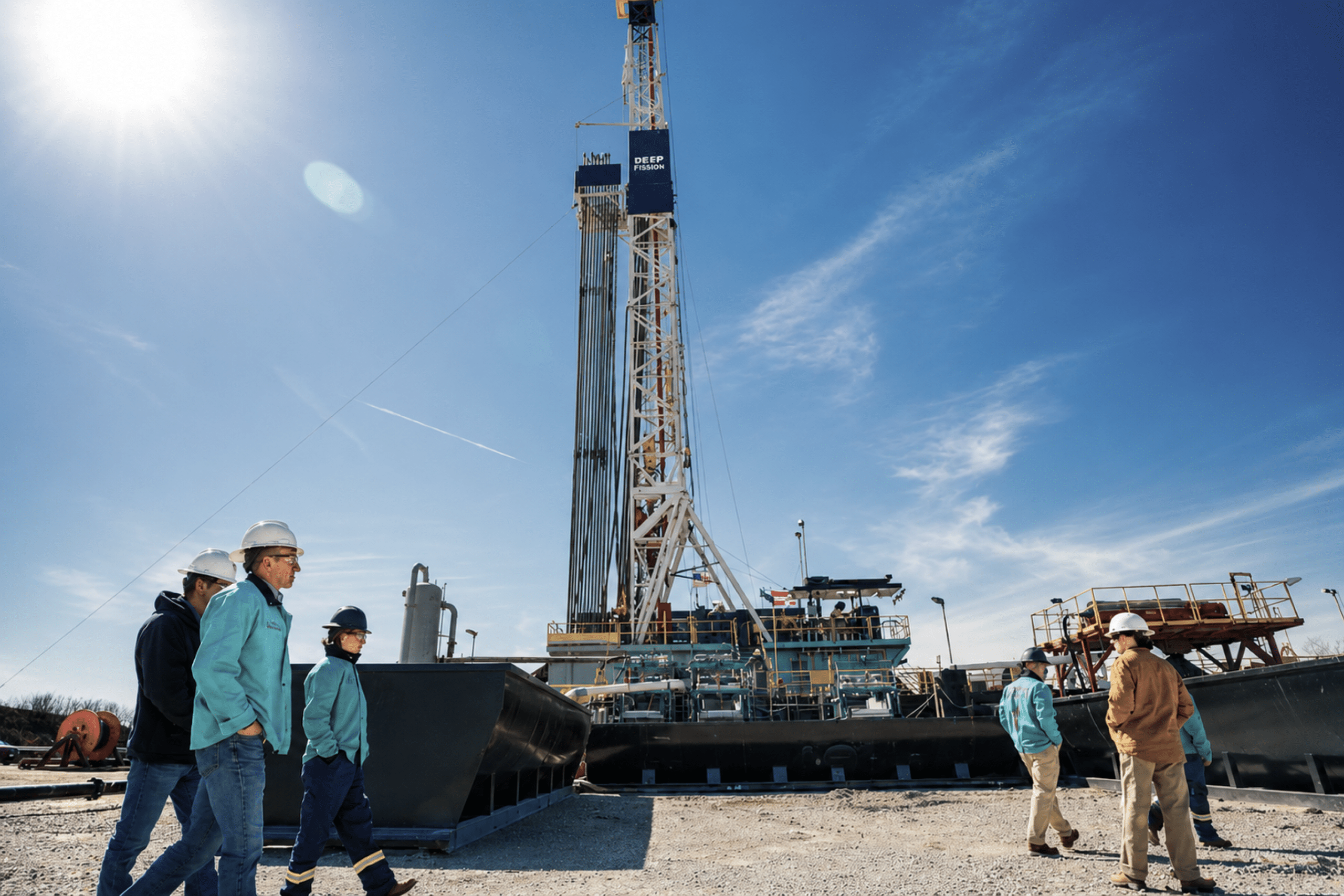
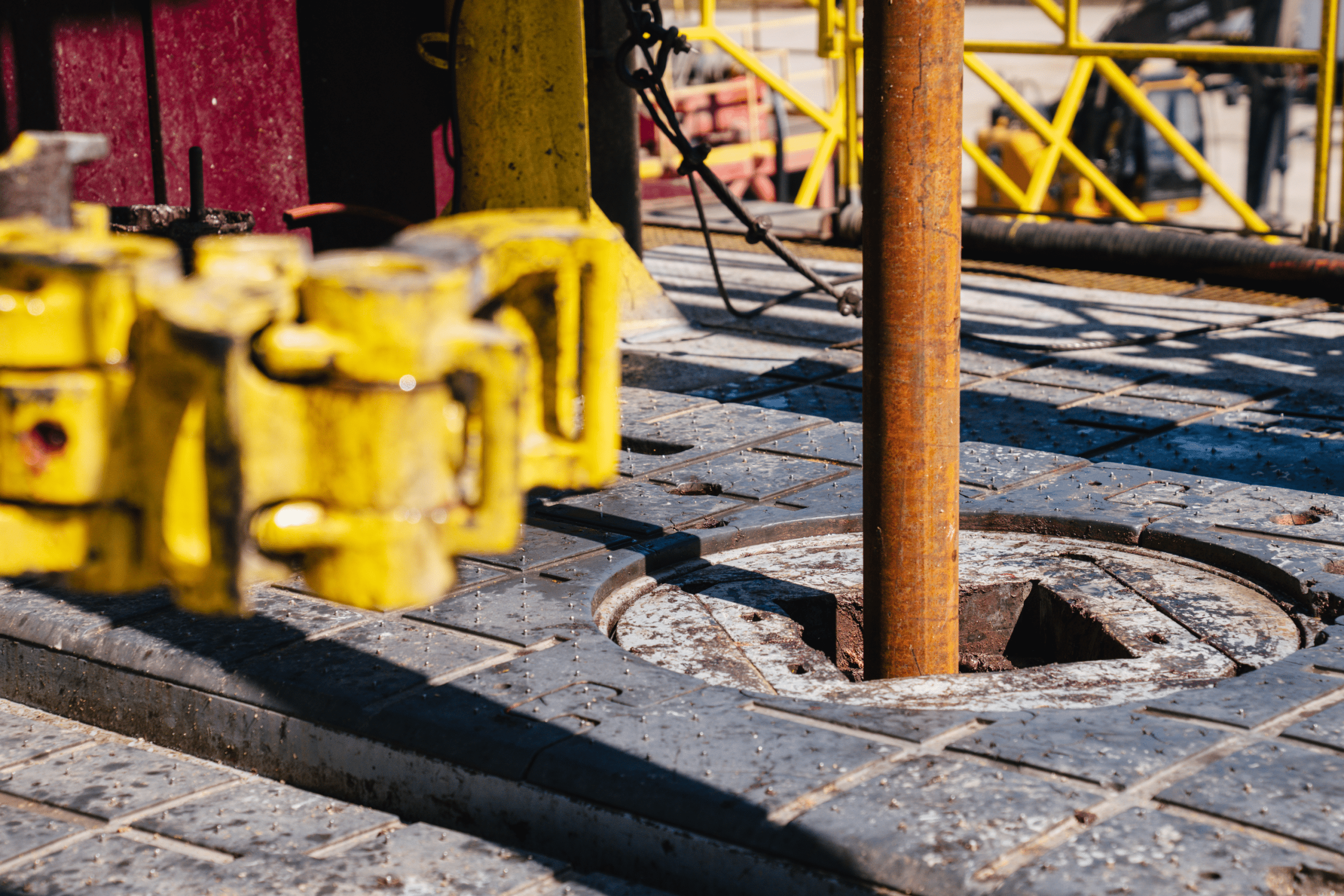
Deep Fission, a California startup founded in 2023 by Elizabeth Muller and her father Richard, a Berkeley physicist, intends to lower a nuclear reactor to the bottom of a borehole one mile deep. To reach its resting place in the granite, the hole must first pass through the water this corner of Kansas drinks, which lies within the first 150 feet, and then through coal seams at 800 to 1,200 feet that produce methane commercially, the same gas the Kansas Geological Survey notes is captured at all because of the mining disasters it caused.
The reactor cannot be repaired down there. No human being can reach it. To refuel the pilot, the company’s chief operating officer has explained, crews will raise the reactor toward the surface on structural strings of pipe, swap it, and lower it back.
In other words, the most radiologically dangerous object in Kansas would ride a pipe string a mile toward the surface and back, on a recurring schedule, for the life of the project, and every lift is a chance for a mechanism to jam, drop, or breach with the core near the people of Parsons.
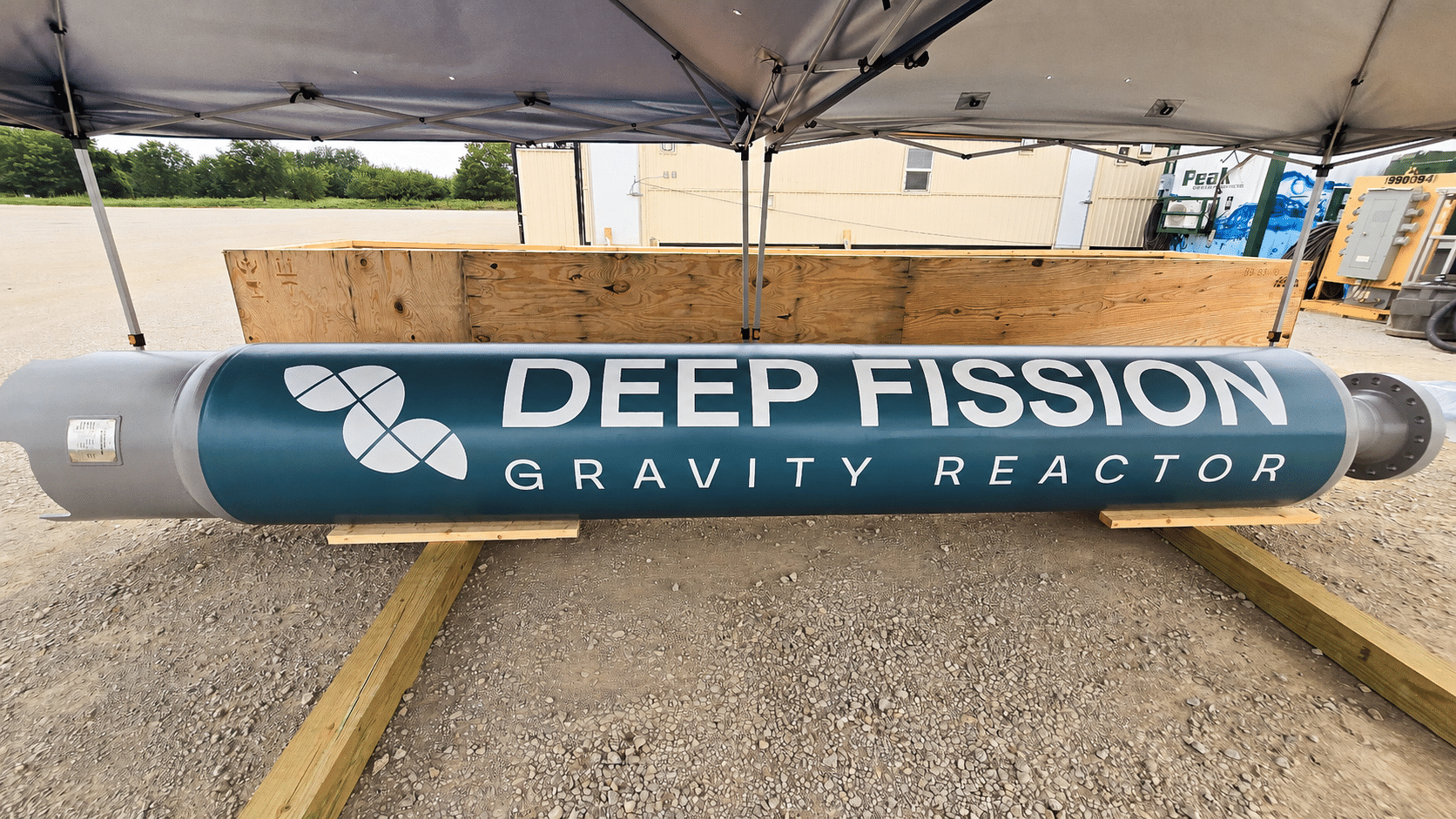
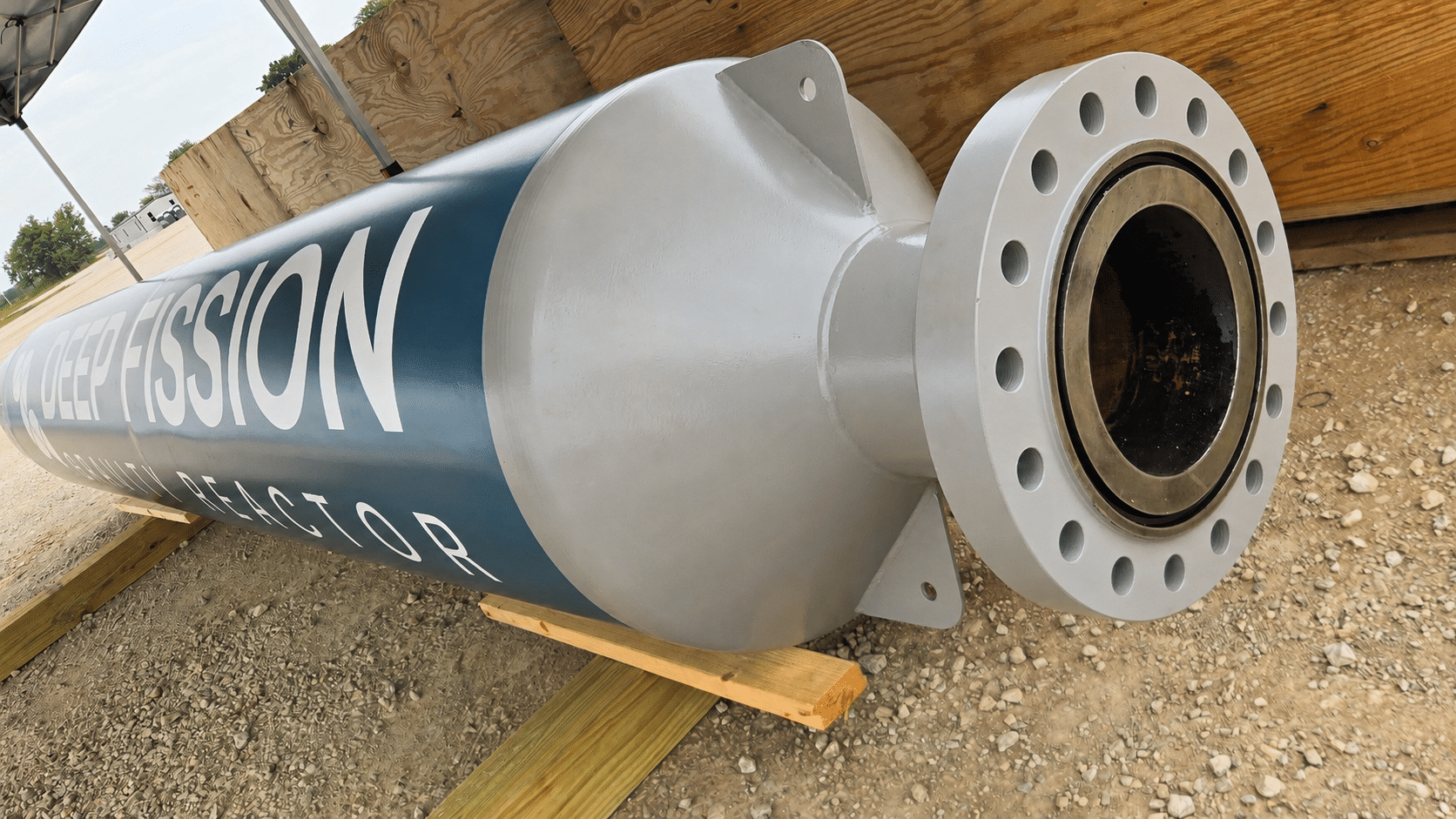
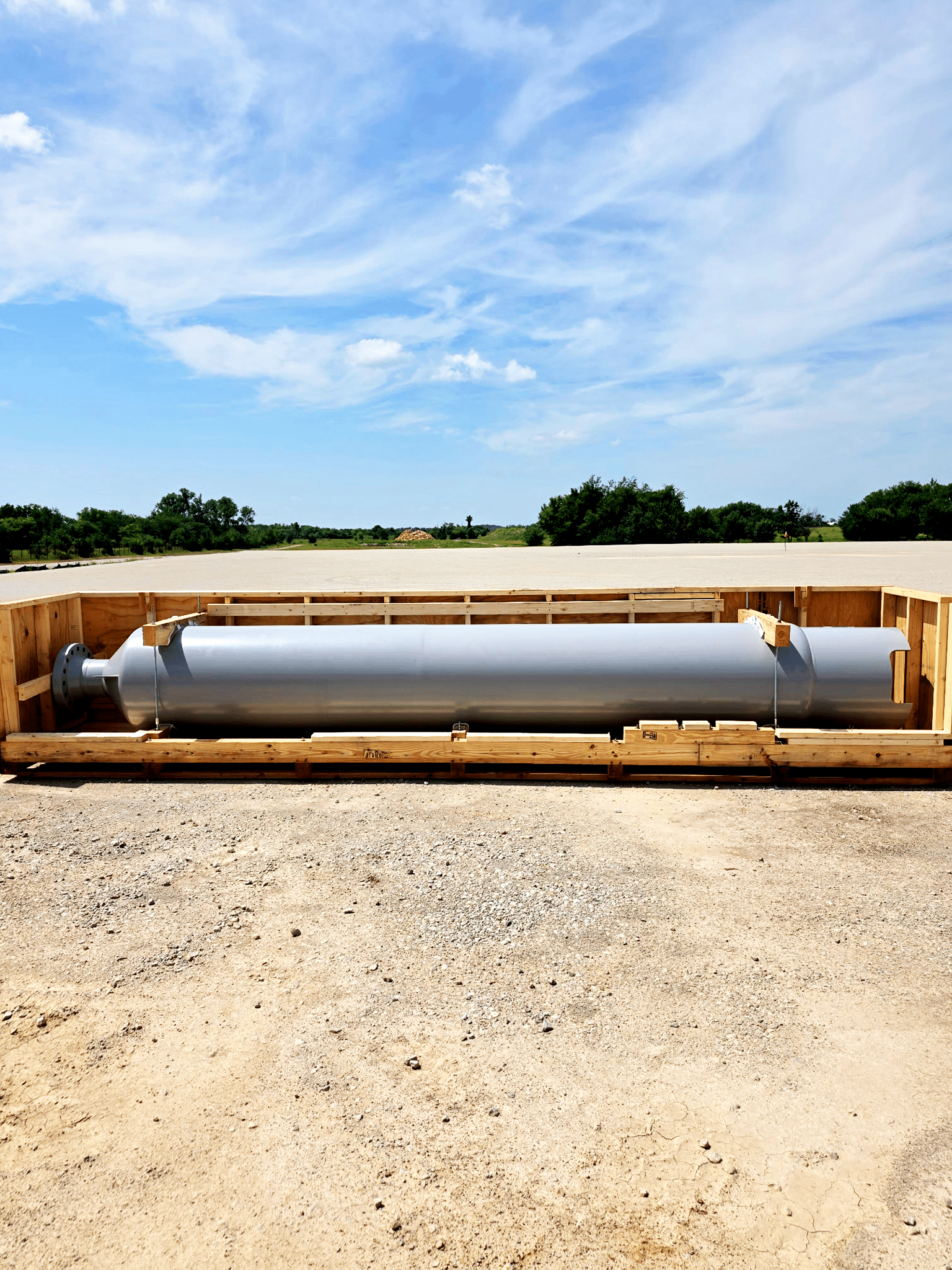
The Deep Fission Gravity Reactor canister. (Courtesy of Deep Fission)
And the lifts describe only the pilot. The commercial plan, Paul Gunter told The Defender, is not to refuel at all. Gunter directs reactor oversight at the watchdog group Beyond Nuclear and has spent five decades confronting the nuclear industry, since the 1970s, when he co-founded the Clamshell Alliance, the mass occupation movement in 1977 against the Seabrook reactor in New Hampshire that helped ignite American anti-nuclear organizing.
Each reactor, he says, runs a single fuel cycle as short as two years, and is then shut down forever, disconnected, capped with concrete, gravel, and clay, and a new reactor is lowered down on top of the dead one in the same hole. The company has identified as many as 100 boreholes at a single commercial site, he said, possibly as little as 15 feet apart, and it markets the permanence as a feature, since entombing spent reactors where they die means never having to transport the waste.
If a canister of fuel jams in the borehole on its way down or up, inside the drinking water zone, the company’s answer, given at a public webinar to a mining engineer who asked, is that crews would fish for it, with hooks and grapples, the way an oil crew retrieves a dropped tool. Prior to now, the country’s only deep underground nuclear facility has been a waste repository, (different from a reactor), a mined salt cavern half a mile beneath New Mexico where defense waste is stored. It suffered an accident in 2014 in which radiation rode the shaft up from half a mile down and contaminated 22 workers standing at the surface.
III.
None of this is happening because Parsons needs electricity. Rather, it is happening because the artificial intelligence industry does not have enough, and it has run out of places to ask.
In the first three months of this year, communities across the country blocked or delayed roughly 75 data center projects worth about $130 billion. In northern Virginia, the wait to connect a new data center to the grid runs as long as seven years. So the industry went looking for ground where nobody gets a vote. Some of it went up, filing for constellations of tens of thousands of orbiting server satellites. And some of it went down, through the drinking water of southeast Kansas. Deep Fission’s foundational commercial deal promises two gigawatts of underground reactors to power data centers, and the pipeline it sells Wall Street is measured in gigawatts of AI demand.
Silicon Valley’s biggest money is behind the wave Deep Fission rides, a mass experiment in small, unproven nuclear reactors, and the dismantling of safety rules built over half a century.
Founders Fund, the venture firm of billionaire Peter Thiel, incubated a uranium enrichment startup inside its own walls, put Thiel on the board, and installed one of its partners as chief executive. That partner, Scott Nolan, was standing in the Oval Office on May 23, 2025 when President Trump signed the executive orders fast-tracking nuclear power, and when the president asked whether his company would help power AI, Nolan said yes.
Eight months later the Energy Department awarded that company $900 million and a lease on a federal site, which the government then designated for AI data centers.
Andreessen Horowitz, the Silicon Valley venture giant, funds Radiant, one of the 11 companies in the same federal pilot program as Deep Fission. And Valar Atomics, backed by investors from the Thiel orbit and a billion dollars led by Sequoia, is Deep Fission’s co-plaintiff in a federal lawsuit that would strip the nuclear regulator’s authority over small reactors entirely.
Deep Fission is the poor cousin of this cohort, the one that could not raise money from the big funds. But the rules were rewritten for all of them, and the town that bears the first experiment is Parsons.
IV.
For 50 years, one wall stood between the nuclear industry and the public. After Watergate exposed what happens when the same agency both promotes and regulates an industry, Congress broke up the old Atomic Energy Commission. The selling went to what became the Department of Energy. The regulating went to the Nuclear Regulatory Commission, which has licensed every commercial reactor in America since.
The executive order President Trump signed in May 2025 crossed that wall. It let the Energy Department, the selling agency, approve first-of-a-kind reactors, and set a deadline with a flourish, three reactors critical by July 4, 2026, the nation’s 250th birthday. Deep Fission’s authorization runs through a contract that treats the reactor as work done for the government’s account, the same legal architecture as Cold War weapons plants.
Then the rules themselves were cut, in the dark.
NPR revealed in January that the department had secretly rewritten its safety and security directives, slashing hundreds of pages. Gone was ALARA, the 50-year-old requirement that radiation exposure be kept as low as reasonably achievable, a deletion that permits thinner shielding to save money. The word “prohibited” was softened to “should be avoided.” And on Feb. 2, 2026, the department published a categorical exclusion, the legal instrument that erases environmental review, covering these reactors and permanent nuclear waste disposal alike, effective the same day it appeared, with public comment invited only afterward. That is why there has been no environmental impact statement for Parsons and no hearing.
Twelve attorneys general have formally called the exclusion unlawful, writing that the Energy Department has no authority over commercial power generation.
The same day the exclusion took effect, the Muller family’s other company made its move. Before Deep Fission, the Mullers founded Deep Isolation, whose business is burying nuclear waste in boreholes of the same design. On Feb. 2, Deep Isolation announced the launch of its full-scale disposal demonstration program. The environmental review died in the morning, and the waste company was running by nightfall.
“The United States no longer has an independent regulator,” Allison Macfarlane told The Defender. Macfarlane is among the world’s foremost authorities on nuclear waste and how nations bury it, a geologist with a doctorate from MIT who served on the Blue Ribbon Commission on America’s Nuclear Future, chaired the United States Nuclear Regulatory Commission from 2012 to 2014, and co-authored the definitive scientific review of burying nuclear material in boreholes. “How do you know that the interests of safety are going to be first and foremost, and not the interests of industry? You no longer know that in the United States. It’s a bad situation.”
V.
In Kansas, the paper trail fits in a folder. The first hole toward the first underground nuclear reactor in history entered the state’s records on the same one-page form that gas wells file, classified under “Other” as an “observation well,” because no form in Kansas has a place for the word nuclear.
The permit names an Oklahoma oil and gas contractor as the operator; Deep Fission appears nowhere on it. The approval box records 250 feet of surface casing set through the region’s drinking water. What stands between a contaminant and that water is the wall of the casing itself, less than half an inch of steel. And no state agency regulates what comes next.
The first phase went to the oil and gas commission, the second to the health department under a program written for injecting fluids underground, and the nuclear phase has no state framework at all. A well permit, for a reactor.
Zachary Sellers read the federal paperwork too. Sellers grew up working this corner of Kansas, fields and ranching out around West Mineral, then industrial work, now a heavy machinery operator. He saw his first research reactor as a 4-H kid touring Kansas State.
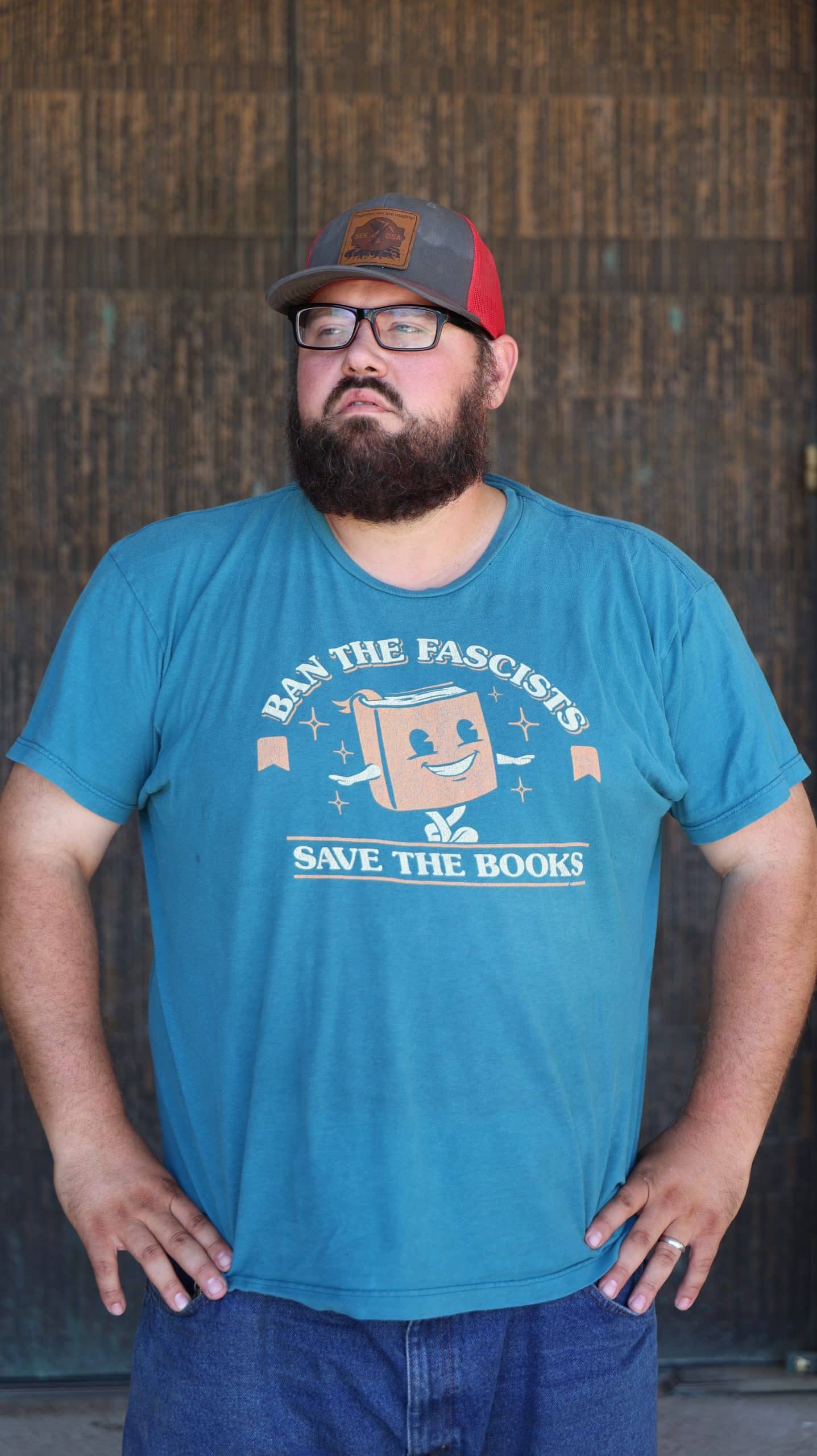
When the project surfaced, he did what the appointed board never did and pulled the company’s submission to federal regulators. “It was only 31 pages,” he said. Nowhere in it could he find the pressure testing that containment structures undergo before licensing. “That process was not mentioned at all, even though you can just find it on Google in five seconds.” The geological survey the company says it performed has never been made public either. “I would hope that Deep Fission would have posted that everywhere if it was safe.”
And he described the structure that makes objecting nearly impossible. The industrial park is its own entity. “It does not have to answer to the city of Parsons. It does not have to answer to the county of Labette.” Above that sit representatives “that don’t really want to talk to you unless you’re talking about lowering taxes.”
VI.
“We certainly don’t want a radioactive Old Faithful in Kansas or anywhere else,” said Frank von Hippel, who has shaped American nuclear safety and arms control policy for half a century. He co-founded Princeton’s Program on Science and Global Security, served in the White House as assistant director for national security in the science office, and remains one of the most cited physicists alive on the question of what nuclear technology can be trusted to do.
The independent bodies that would have performed that review have been dismantled. The board that insisted the geology around any deep borehole be mapped with multiple exploratory holes before anyone could be confident radioactivity would not reach surface water lost seven of its eight members to dismissal. The review of the deleted radiation standard went to the director of a national laboratory that promotes nuclear power, and von Hippel, reading the result, called it totally incompetent.
Macfarlane’s study found that the deep fracture data needed to judge a borehole site was never collected for several states. Kansas was one of them.
So now, the first underground reactor in history is being drilled into rock nobody has mapped.
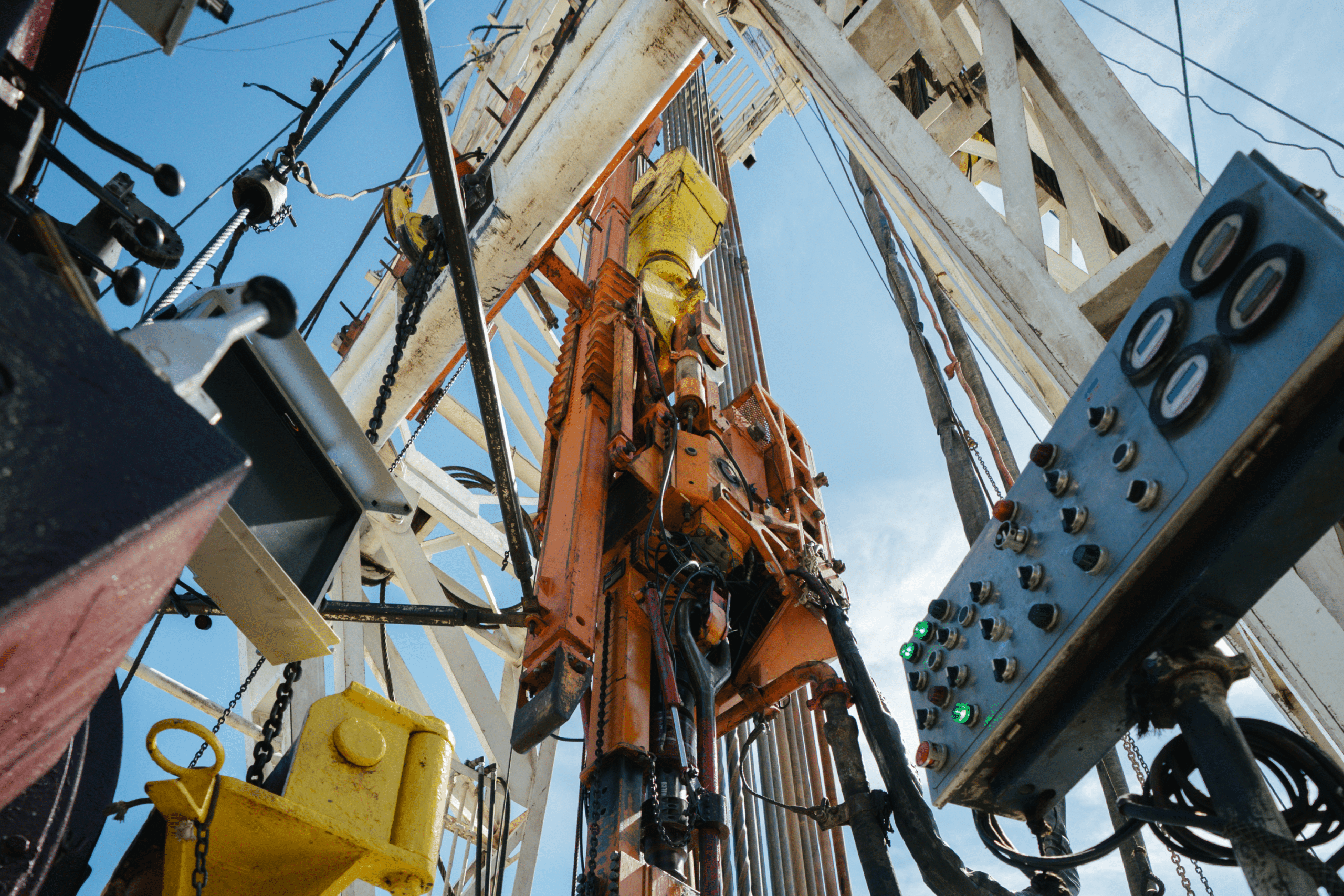
Asked about the design as described to her, she said, “It’s pretty outlandish. I don’t really understand how you would license that, because I don’t understand how you would be able to service it without sending humans down there, and I don’t think you can do that.”
Then she told me, “No other country in the world is considering that. That does not mean that they are all less capable or dumber than the U.S. In fact, it’s more likely the opposite. They know something that the U.S. does not.”
And the economics, she said, are not close. Lazard’s levelized cost analysis, the industry’s standard scorecard for nearly two decades, prices new American nuclear at $141 to $220 per megawatt hour against $37 for the cheapest onshore wind, with wind or solar plus storage still cheaper than nuclear.
“There’s just a lot of snake oil salesmen out there telling the public things that aren’t true,” Macfarlane said. “These claims about these reactors being cheaper are totally unproven, because nobody’s even built one.”
VII.
The company running the experiment has told federal regulators it may run out of money within 12 months. Its accumulated deficit reached 88.1 million dollars by March. It went public through a reverse merger with a shell at $3 a share, in a listing TechCrunch found had been public in name only because the stock never traded; its Nasdaq offering was cut twice and now trades at less than half its IPO price. It missed the July 4 criticality deadline.
What exists at Parsons today is a 2,500-foot non-nuclear test hole, a signed contract to buy low-enriched uranium, and a federal lawsuit against the Nuclear Regulatory Commission, in which Deep Fission and its co-plaintiffs ask a court to narrow which nuclear facilities need a license at all.
The CEO’s published defense of the suit gives the reason: data centers, artificial intelligence, and a demand curve she says could rise as much in 15 years as it did in the previous 50.
Those facts produce an urgent question: if a company warning of its own possible death takes delivery of reactor fuel and then fails, who inherits an orphaned nuclear borehole outside a town of 9,200? Do these reactors carry Price-Anderson nuclear liability coverage? What emergency planning exists for the people two miles away?
RETURN TO SURFACE · PARSONS, KANSAS
VIII.
In July, while the drill turned, the machine’s other half arrived. Parsons city commissioners voted unanimously to give a Texas company an option on land at the north end of town for a data center of Parsons’ own.
Marjorie Reynolds has been carrying the fight the longest. A registered nurse, an Air Force veteran, and a seventh-generation Kansan from Oswego, a town of about a thousand people down the road, Reynolds has roughly 150 relatives within thirty minutes of the drill site. Many voted for Donald Trump, twice. They are as angry as she is, she says, and most will not say so out loud, because in a county this size a public fight with local officials is a fight with the families who run things.
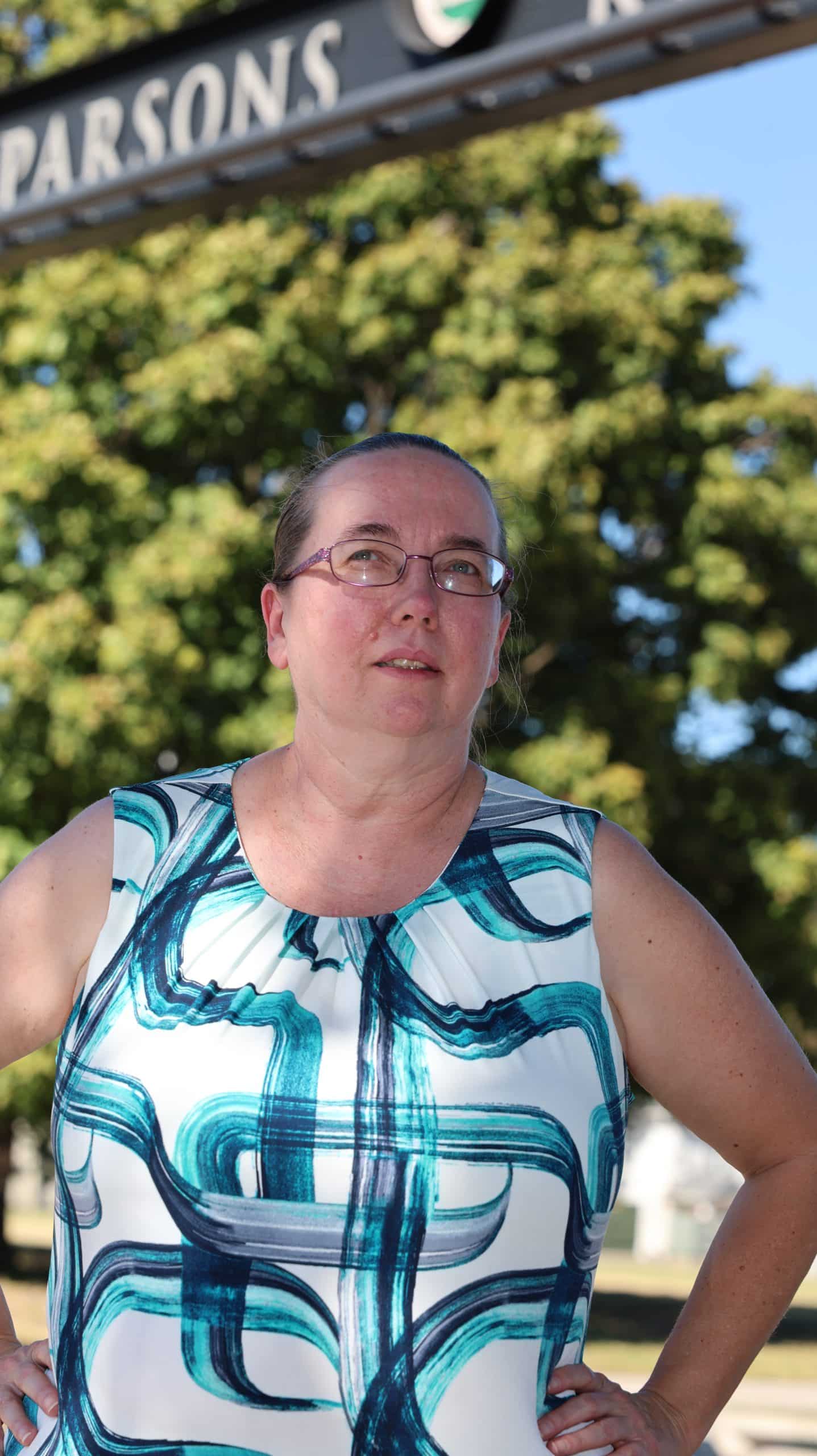
They send money quietly to her to support her opposition while she speaks out loud, alongside her daughter and her daughter’s fiance. She is the founder of the Prairie Dog Alliance, the leading organization fighting the reactor project.
In December, days after the groundbreaking, she drove to the meeting of the appointed board that leases the land and says she asked the men there, “what experts did you consult about this project, other than the company selling it to you?”
“They all looked at each other,” she said.
“None of you knows anything about nuclear energy,” she told them, “and yet you are going to put this basically in people’s backyards.” After that, she says, she was public enemy number one.
Beachner has run the arithmetic. “Even the data center guy said it brings in maybe two jobs, and it’s probably going to be from out of state,” he said, while the AI companies’ tax abatements run 20 years. “Excuse me? How are my schools doing any better? How’s this thing doing anything for any of us? It’s not.”
“You don’t do things that are going to destroy future generations for the sake of a short buck. If you’re going to make 10 cents now, it ain’t worth it.”